c.curionodeThe Nobel Archive

2002 · Physics

Listening to the invisible universe

Neutrinos and X-rays opened two new ways to investigate stars, stellar explosions and extreme cosmic environments.

neutrinosX-ray astronomySunsupernova
2002Physics

Visual guide

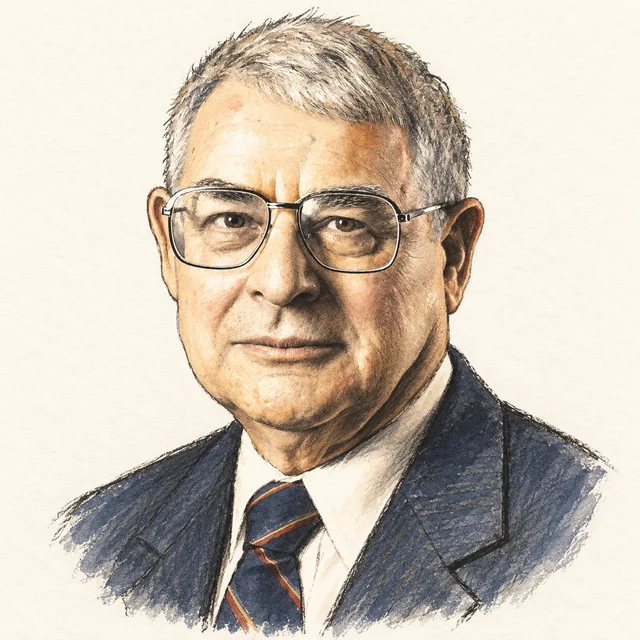
The prize, pictured

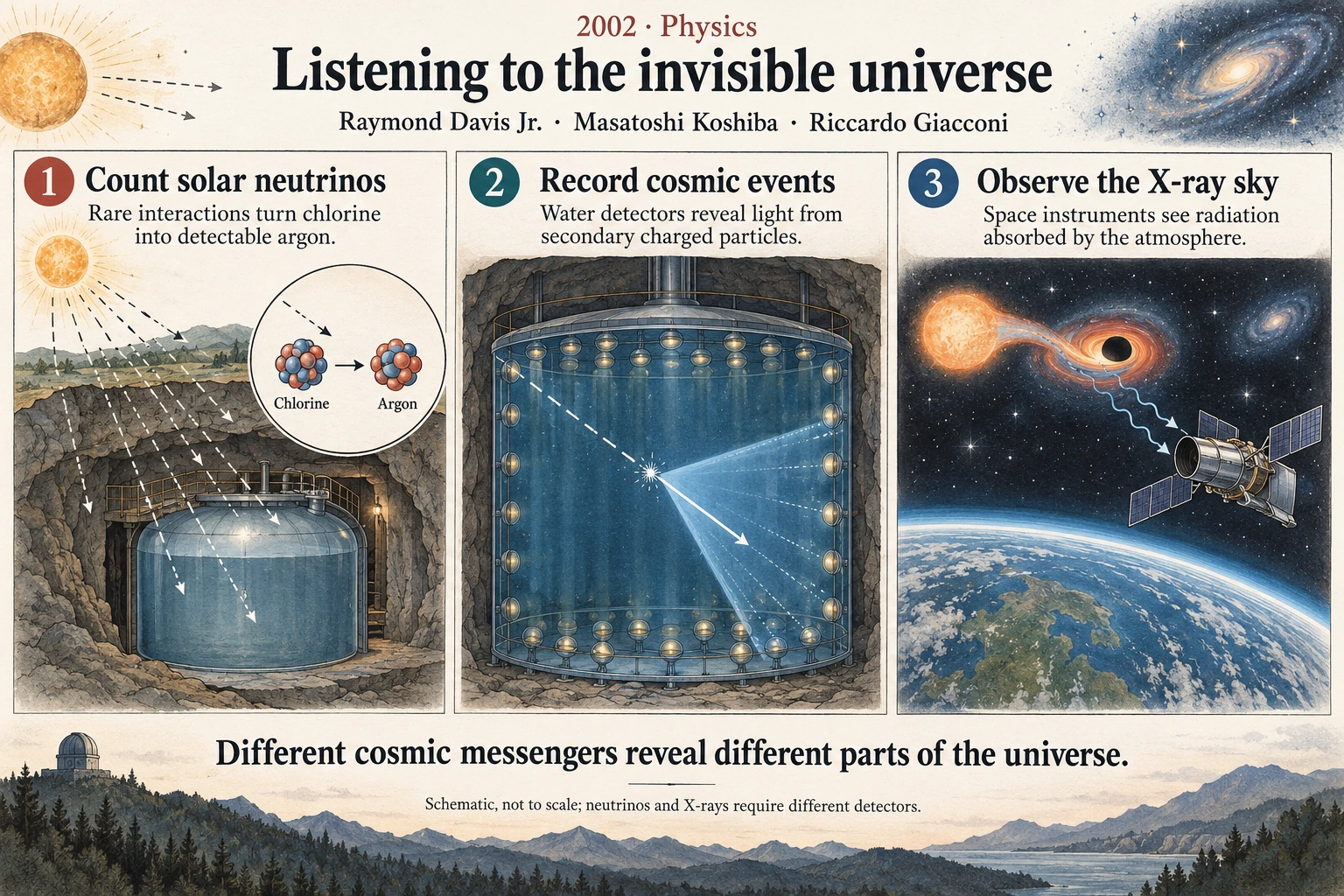
Infographic explaining Listening to the invisible universe
Original AI-generated infographic. A conceptual overview; the explanations and sources below provide context.
Read the poster text

Different cosmic messengers reveal different parts of the universe.

  1. Count solar neutrinos

    Rare interactions turn chlorine into detectable argon.

  2. Record cosmic events

    Water detectors reveal light from secondary charged particles.

  3. Observe the X-ray sky

    Space instruments see radiation absorbed by the atmosphere.

Schematic, not to scale; neutrinos and X-rays require different detectors.

01 · The discovery

The idea, in everyday language

Visible light tells only part of the story of the sky. Neutrinos interact so weakly with matter that they can escape from places, such as the Sun’s interior, that light does not reveal directly. That same property makes them difficult to catch. Davis used a chemical transformation in a huge underground tank to count solar neutrinos. Koshiba used a water detector whose light sensors could register the timing and direction of individual interactions.

X-rays offer a different window. They reveal very hot gas and energetic processes, but Earth’s atmosphere absorbs them. Giacconi helped develop instruments that could operate above the atmosphere, first on rockets and later on satellites. Discovering cosmic X-ray sources and building imaging observatories made it possible to study a sky that looks very different from the familiar constellations.

Why it matters

The work made neutrino astronomy and X-ray astronomy practical. Solar-neutrino measurements tested ideas about the Sun and raised new questions about particle physics. The 1987 supernova burst connected neutrinos with stellar collapse. X-ray observatories revealed binary systems with compact objects, hot interstellar and intergalactic gas, and energetic galactic centres. Astronomy gained ways to study processes hidden from ordinary light.
02 · The people

Who brought the idea to life?

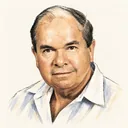
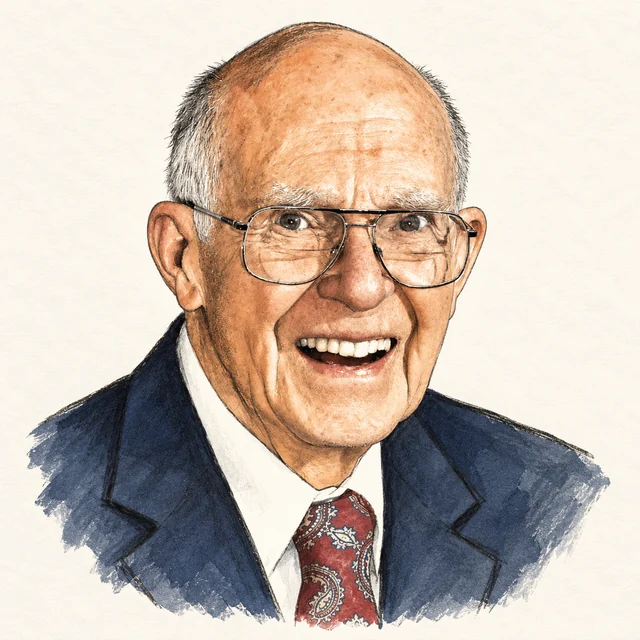
Illustrated portrait of Raymond Davis Jr.

Raymond Davis Jr.

Prize share · 1/4

A solar electron neutrino can occasionally convert a chlorine nucleus into an argon nucleus. Davis developed the radiochemical methods needed to recover and count the resulting argon. Measurements beginning in the 1960s established the detection of solar neutrinos but found fewer than solar models predicted. The persistent discrepancy became the solar-neutrino problem, helping motivate later research on how neutrinos change type during their journey.

Read the biography ↗
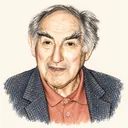
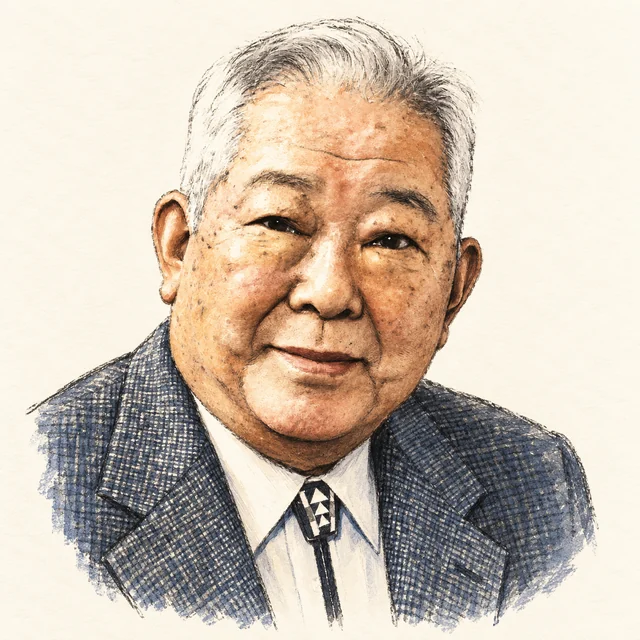
Illustrated portrait of Masatoshi Koshiba

Masatoshi Koshiba

Prize share · 1/4

Koshiba and his collaborators detected faint light from charged particles produced in neutrino interactions. Unlike a radiochemical count, these events carried timing and directional information. Kamiokande observed solar neutrinos and, in 1987, a burst associated with supernova SN 1987A. The burst provided direct evidence of neutrinos from a stellar collapse far beyond our Solar System. It was observed by other detectors as well.

Read the biography ↗
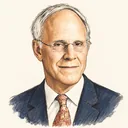
Illustrated portrait of Riccardo Giacconi

Riccardo Giacconi

Prize share · 1/2

A 1962 rocket experiment by Giacconi’s group discovered a powerful X-ray source outside the Solar System, later identified as Scorpius X-1, as well as a diffuse X-ray background. He then helped turn brief rocket observations into sustained astronomy through the Uhuru satellite and imaging observatories including Einstein and Chandra. X-ray observations revealed hot gas and energetic environments around compact objects, transforming the picture of an apparently quiet sky.

Read the biography ↗

03 · Years in the making

The path here

  1. 1962

    Giacconi’s rocket experiment discovered an X-ray source outside the Solar System.

  2. 1960s

    Davis began the long-running solar-neutrino measurements at Homestake.

  3. 1987

    Kamiokande recorded a neutrino burst from supernova SN 1987A.

04 · Read further

From the original sources

Original explanations by Curionode, based on the official records below. Biographical details and affiliations refer to the award year.

  1. Official announcement nobelprize.org
  2. Popular science background nobelprize.org