A life in context
The person behind the prize
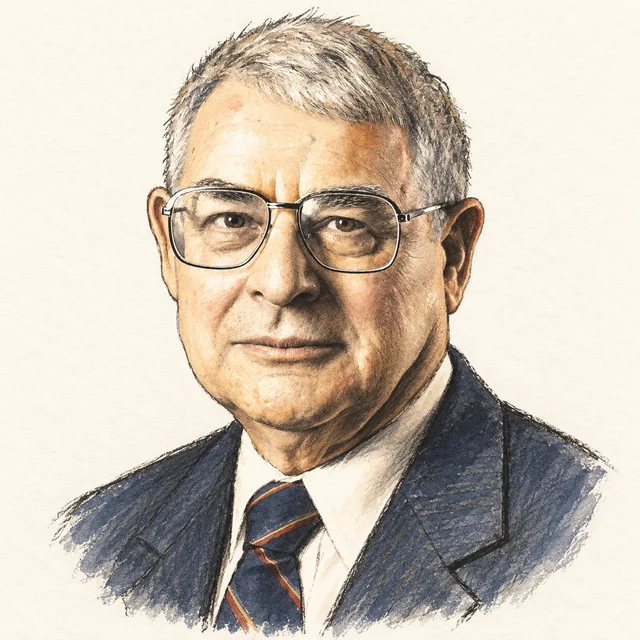
Giacconi completed his doctorate at the University of Milan in 1954 and developed his research career in the United States. In 1959 he began building a space-research programme with colleagues including Bruno Rossi. Because Earth’s atmosphere absorbs cosmic X-rays, the instruments had to leave the ground. His work combined detector design, rocket experiments and the organisation of increasingly capable space observatories.
The contribution
A 1962 rocket experiment by Giacconi’s group discovered a powerful X-ray source outside the Solar System, later identified as Scorpius X-1, as well as a diffuse X-ray background. He then helped turn brief rocket observations into sustained astronomy through the Uhuru satellite and imaging observatories including Einstein and Chandra. X-ray observations revealed hot gas and energetic environments around compact objects, transforming the picture of an apparently quiet sky.
The idea in plain language
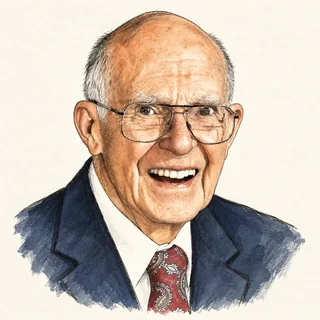
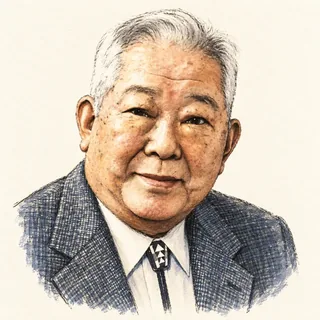
Visible light tells only part of the story of the sky. Neutrinos interact so weakly with matter that they can escape from places, such as the Sun’s interior, that light does not reveal directly. That same property makes them difficult to catch. Davis used a chemical transformation in a huge underground tank to count solar neutrinos. Koshiba used a water detector whose light sensors could register the timing and direction of individual interactions.
Read the full award story ↗