c.curionodeThe Nobel Archive

2004 · Physics

Why quarks look freer up close

The effective strength of the strong interaction decreases when it is probed at shorter distances.

quarksgluonsasymptotic freedomquantum chromodynamics
2004Physics

Visual guide

The prize, pictured

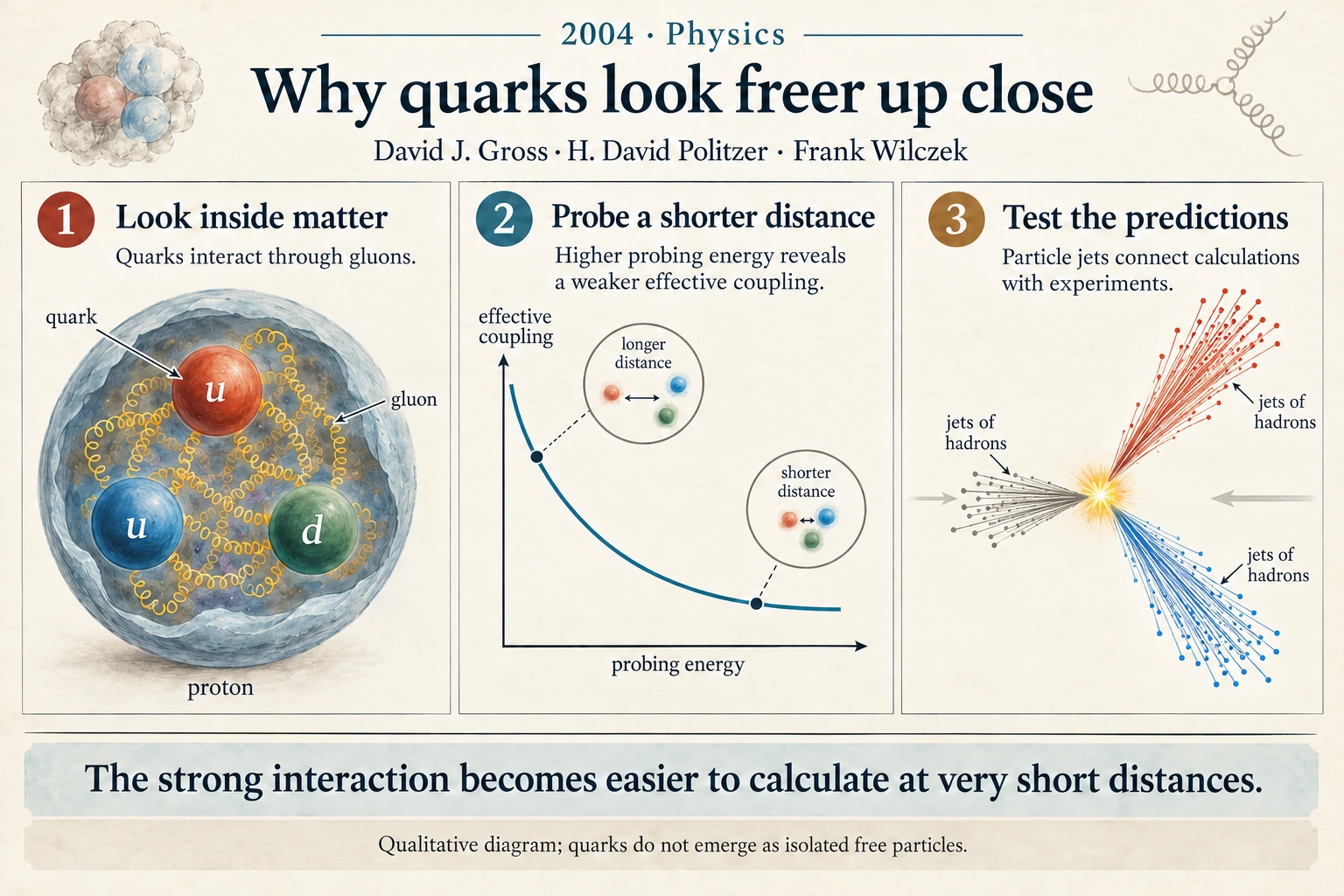
Infographic explaining Why quarks look freer up close
Original AI-generated infographic. A conceptual overview; the explanations and sources below provide context.
Read the poster text

The strong interaction becomes easier to calculate at very short distances.

  1. Look inside matter

    Quarks interact through gluons.

  2. Probe a shorter distance

    Higher probing energy reveals a weaker effective coupling.

  3. Test the predictions

    Particle jets connect calculations with experiments.

Qualitative diagram; quarks do not emerge as isolated free particles.

01 · The discovery

The idea, in everyday language

Protons and neutrons contain quarks interacting through gluons. The force is strong enough that isolated quarks are not observed in ordinary experiments. Yet high-energy scattering revealed behaviour resembling collisions with nearly free constituents. A useful theory had to account for both the binding of matter and the simpler behaviour seen when physicists examined very small distances.

In 1973 Gross and Wilczek, and independently Politzer, calculated how the effective coupling changes with energy in the relevant quantum field theories. Gluons interact with one another as well as with quarks. The combined quantum effects make the coupling smaller at high probing energies, corresponding to shorter distances. This property, asymptotic freedom, made quantum chromodynamics a calculable theory in that regime.

Why it matters

Asymptotic freedom explains why carefully controlled approximations work for many high-energy collisions. Predictions can be compared with patterns of particle jets and with measurements of the changing strong coupling. Quantum chromodynamics became a central part of the Standard Model, connecting experimental observations with a common mathematical account of quarks and gluons.
02 · The people

Who brought the idea to life?

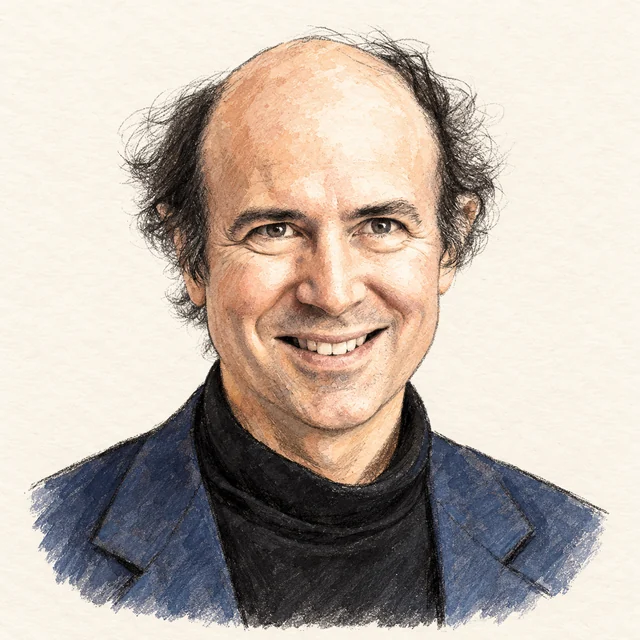
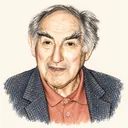
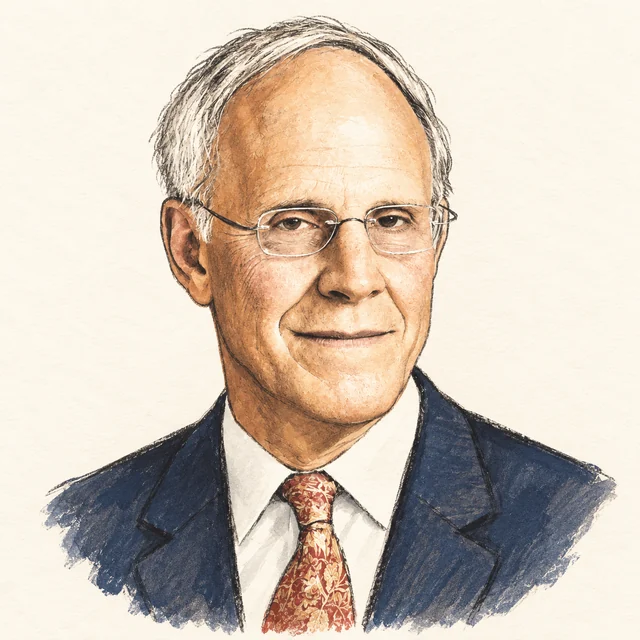
Illustrated portrait of David J. Gross

David J. Gross

Prize share · 1/3

Working with his graduate student Frank Wilczek, Gross calculated in 1973 how the strength of a non-Abelian gauge interaction changes with the scale at which it is probed. Their result, obtained independently by Politzer, showed that the effective coupling can become weaker at higher energies. Asymptotic freedom helped establish quantum chromodynamics as the theory of the strong interaction and made precise short-distance calculations possible.

Read the biography ↗
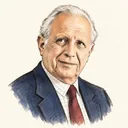
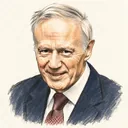
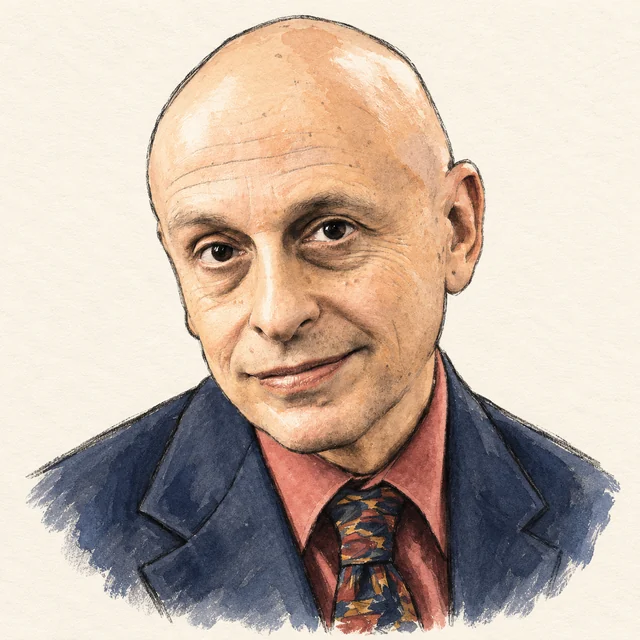
Illustrated portrait of H. David Politzer

H. David Politzer

Prize share · 1/3

In 1973 Politzer independently found that certain quantum gauge theories have an interaction strength that decreases at short distances. His paper appeared alongside the paper by Gross and Wilczek. The result gave physicists a controlled way to calculate high-energy processes involving quarks and gluons; it did not mean that isolated quarks could be collected as ordinary free particles.

Read the biography ↗
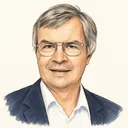
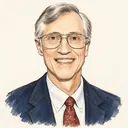
Illustrated portrait of Frank Wilczek

Frank Wilczek

Prize share · 1/3

Gross and Wilczek showed that the self-interactions of gauge-field carriers can change how the effective coupling evolves with energy. In quantum chromodynamics, gluons carry colour charge and interact with one another as well as with quarks. Their 1973 work helped explain why short-distance processes can be treated with a relatively weak coupling even though the strong interaction binds ordinary matter so effectively.

Read the biography ↗

03 · Years in the making

The path here

  1. 1973

    Gross and Wilczek, and independently Politzer, published the asymptotic-freedom result.

  2. 1979

    Three-jet events provided important evidence for gluons in high-energy collisions.

  3. 2004

    The prize recognised the discovery of asymptotic freedom in the strong interaction.

04 · Read further

From the original sources

Original explanations by Curionode, based on the official records below. Biographical details and affiliations refer to the award year.

  1. Official announcement nobelprize.org
  2. Popular science background nobelprize.org
  3. DESY: three-jet discovery paper bib-pubdb1.desy.de