c.curionodeThe Nobel Archive

2001 · Physics

When atoms share a quantum state

Cooling dilute gases to extraordinarily low temperatures made Bose–Einstein condensation visible in the laboratory.

Bose–Einstein condensationultracold atomsmatter wavesquantum coherence
2001Physics

Visual guide

The prize, pictured

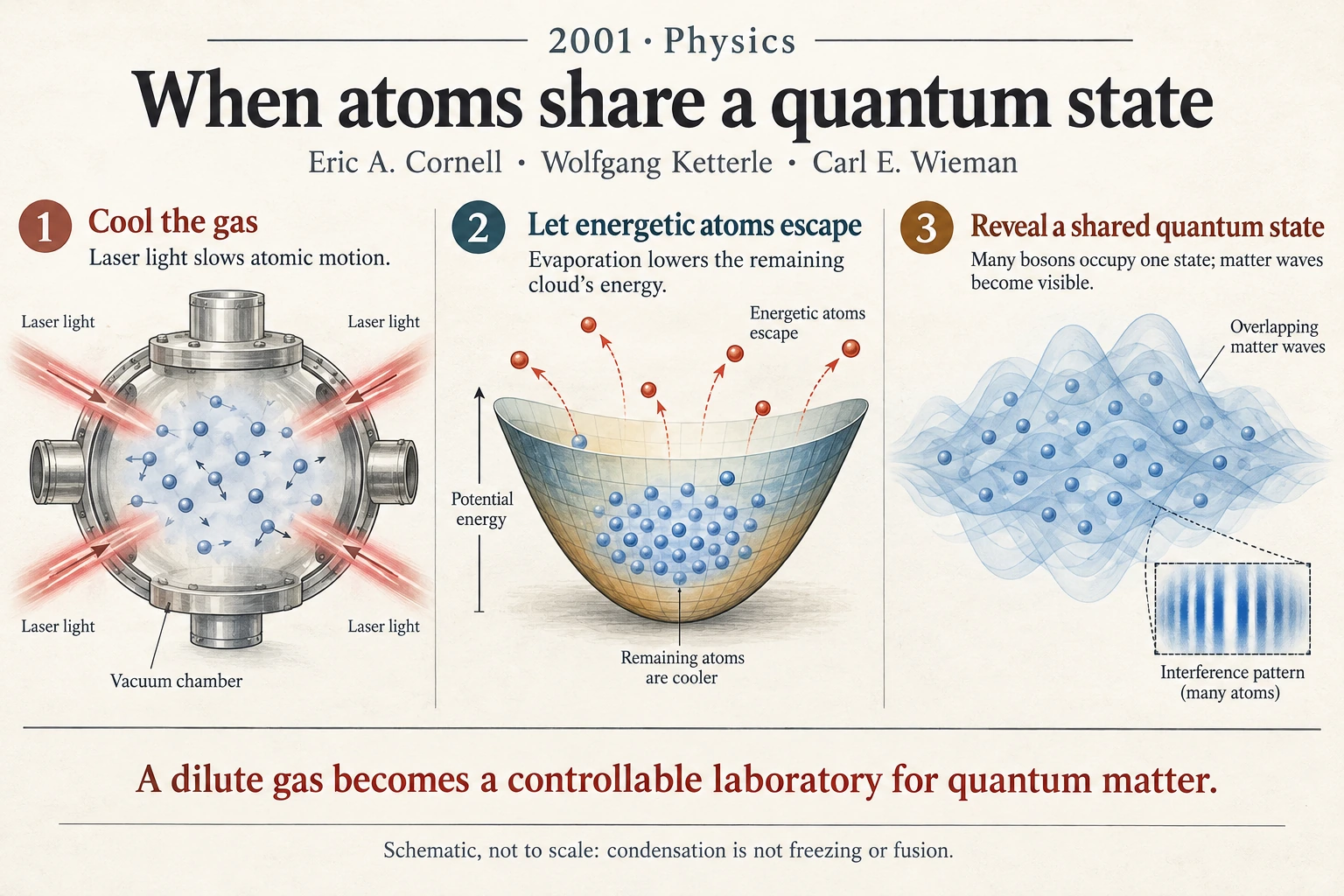
Infographic explaining When atoms share a quantum state
Original AI-generated infographic. A conceptual overview; the explanations and sources below provide context.
Read the poster text

A dilute gas becomes a controllable laboratory for quantum matter.

  1. Cool the gas

    Laser light slows atomic motion.

  2. Let energetic atoms escape

    Evaporation lowers the remaining cloud’s energy.

  3. Reveal a shared quantum state

    Many bosons occupy one state; matter waves become visible.

Schematic, not to scale: condensation is not freezing or fusion.

01 · The discovery

The idea, in everyday language

Atoms have wave-like quantum properties as well as particle-like ones. In an ordinary gas, thermal motion usually hides the most striking collective quantum effects. For suitable atoms called bosons, sufficient cooling and density can make a large number occupy the same quantum state. This is Bose–Einstein condensation, predicted long before it became possible to produce it in a dilute atomic gas.

Cornell and Wieman achieved condensation in rubidium atoms in 1995; Ketterle’s group independently achieved it in sodium that year. Laser cooling brought the gases part of the way, then evaporative cooling removed the more energetic atoms. The resulting condensates allowed researchers to study matter waves, including interference and coherence, in a system whose environment and interactions could be carefully controlled.

Why it matters

Ultracold gases became an experimental platform for studying quantum matter. Researchers could investigate coherence, superfluid behaviour and interactions with unusual control. The work helped establish atom optics and quantum simulation, where one controllable system is used to explore behaviour relevant to another. It created a laboratory tool for fundamental research, rather than a single finished consumer device.

02 · The people

Who brought the idea to life?

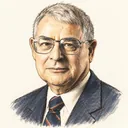
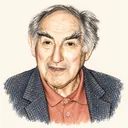
Illustrated portrait of Eric A. Cornell

Eric A. Cornell

Prize share · 1/3

Cornell and Wieman led the team that produced a Bose–Einstein condensate in a dilute gas of rubidium-87 atoms in 1995. Cooling made the atoms’ quantum wave behaviour increasingly important. Below the transition, many atoms occupied the same quantum state. The experiment made a long-predicted form of matter accessible in a controllable gas, opening opportunities to investigate collective quantum behaviour directly.

Read the biography ↗
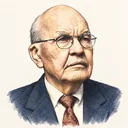
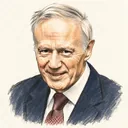
Illustrated portrait of Wolfgang Ketterle

Wolfgang Ketterle

Prize share · 1/3

Ketterle’s team independently achieved Bose–Einstein condensation in sodium atoms in 1995. The relatively large condensates allowed detailed studies of their properties. Interference between expanding condensates demonstrated the coherent matter-wave behaviour of these gases. Work on extracting coherent atoms also helped establish the atom-laser concept: an analogy with a light laser, using matter waves rather than a beam of photons.

Read the biography ↗
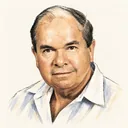
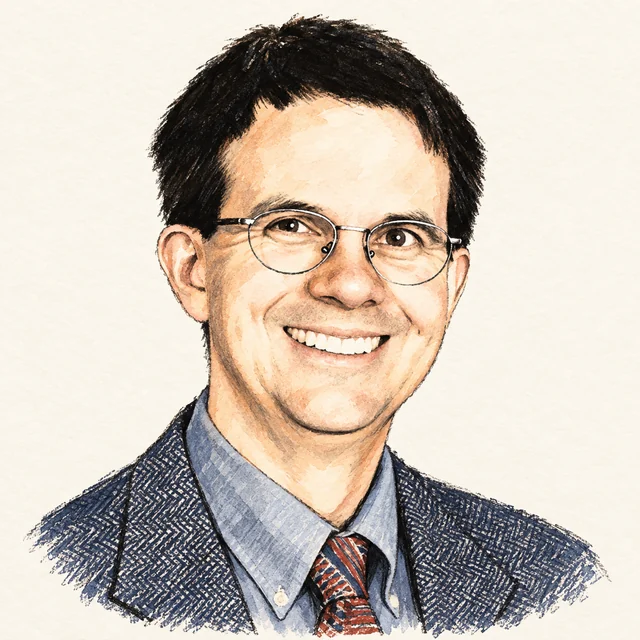
Illustrated portrait of Carl E. Wieman

Carl E. Wieman

Prize share · 1/3

Wieman and Cornell combined laser cooling with magnetic trapping and evaporative cooling. In evaporation, the more energetic atoms escape and the remaining cloud can cool further. Their 1995 rubidium experiment revealed a sharply concentrated component associated with Bose–Einstein condensation. The achievement joined a prediction from quantum statistics with practical control of an atomic gas; it did not mean that the atoms fused together or stopped all quantum motion.

Read the biography ↗

03 · Years in the making

The path here

  1. 1924–1925

    Bose and Einstein developed the statistical ideas underlying the prediction.

  2. 1995

    Rubidium and sodium gases were made to undergo Bose–Einstein condensation.

  3. 2001

    The prize recognised condensation in dilute alkali gases and studies of condensate properties.

04 · Read further

From the original sources

Original explanations by Curionode, based on the official records below. Biographical details and affiliations refer to the award year.

  1. Official announcement nobelprize.org
  2. Popular science background nobelprize.org