A life in context
The person behind the prize
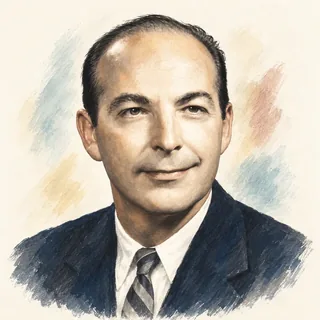
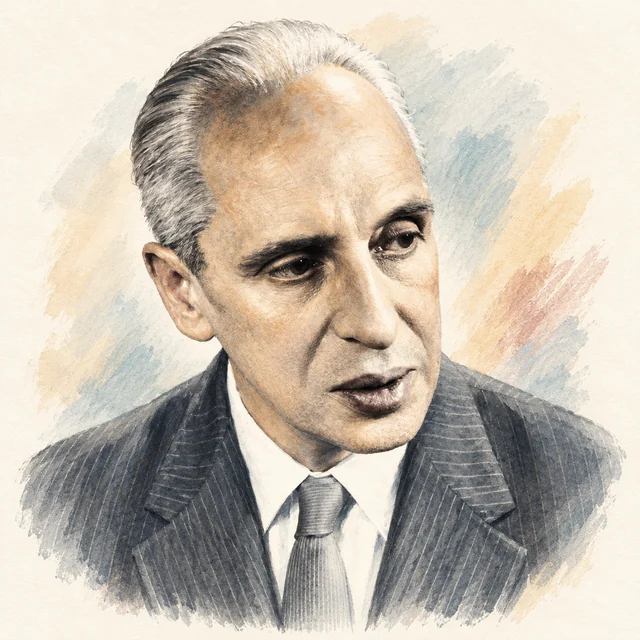
Ochoa completed medical training in Madrid in 1929, following an early interest in biology and work with Negrín. Research with Meyerhof in Heidelberg and periods in Madrid, London and Oxford built his experience in metabolism and enzymology. He moved to the United States in 1941, worked with the Coris in St Louis and joined NYU in 1942, becoming professor of biochemistry in 1954. In 1955, with Marianne Grunberg-Manago, he reported polynucleotide phosphorylase, an enzyme that could form RNA-like chains in the laboratory. His 1959 lecture explicitly distinguished chain growth from copying the sequence of a template: such copying had not been demonstrated for this enzyme. Later research clarified its roles in RNA metabolism. The prize recognised enzymatic nucleic-acid synthesis, shared equally with Kornberg’s different DNA work, rather than a complete explanation of transcription or the genetic code.
The contribution
Ochoa and Grunberg-Manago discovered polynucleotide phosphorylase and investigated enzymatic formation of RNA-like chains. Ochoa received half of the Medicine Prize.
The idea in plain language
Knowing that nucleic acids carried biological information did not explain how cells assembled their chains. Researchers needed to identify enzymes and study synthesis outside the cell, separating particular reactions from the complexity of living systems.
Read the full award story ↗