A life in context
The person behind the prize
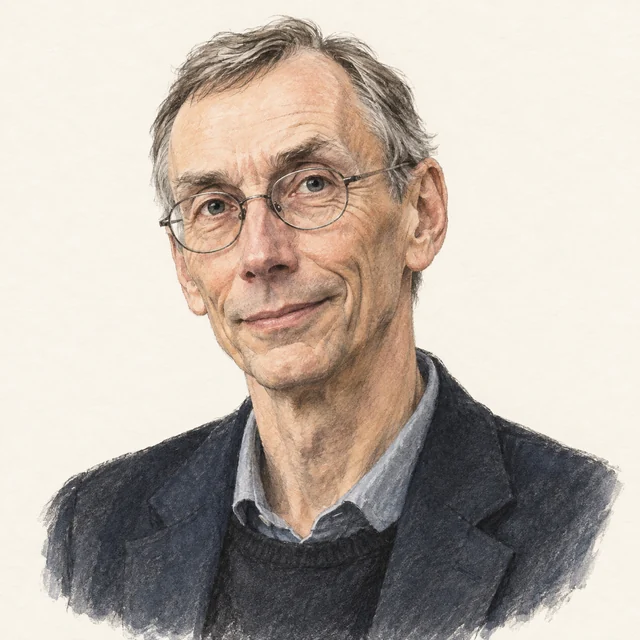
Pääbo earned his doctorate at Uppsala University in 1986. He pursued the difficult task of recovering DNA from ancient remains, first in small fragments and later across whole genomes. He became a director at the Max Planck Institute for Evolutionary Anthropology in Leipzig in 1997, helping establish the field of palaeogenomics.
The contribution
He and his teams developed methods to distinguish ancient DNA from damage and contamination, produced a Neanderthal genome and identified Denisovans through DNA from a small bone. Comparisons revealed gene flow between extinct human groups and ancestors of people living today.
The idea in plain language
DNA does not stay intact after an organism dies. It breaks into short, chemically damaged fragments and mixes with DNA from microbes and modern people. Pääbo developed methods for recovering the ancient signal from this difficult material.
Read the full award story ↗