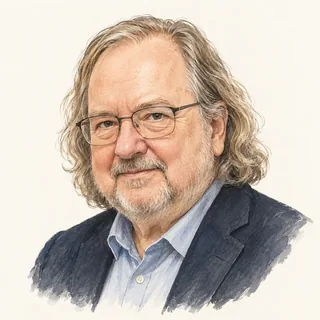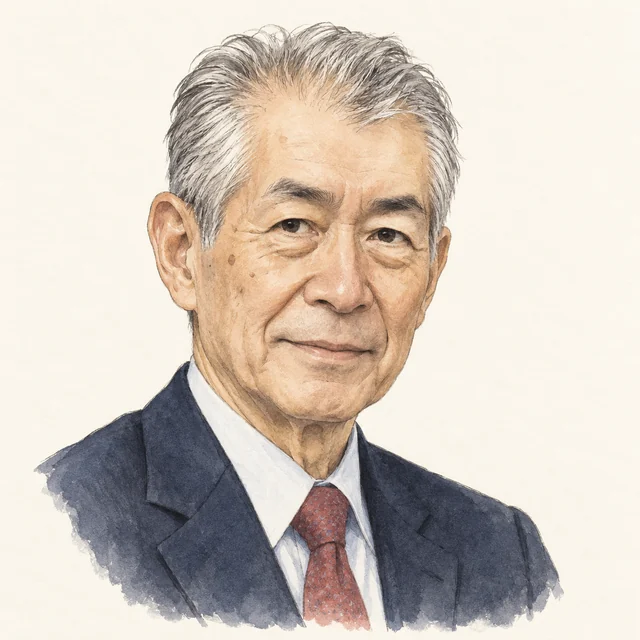
A life in context
The person behind the prize
Honjo studied medicine at Kyoto University and received his doctorate there in 1975. Research in the United States and positions at Tokyo and Osaka preceded his return to Kyoto as a professor in 1984. He studied the molecular controls of immune responses. Following the discovery of PD-1, careful experiments revealed that the protein restrains immunity, a finding that suggested a new approach to cancer therapy.
The contribution
He discovered PD-1 in 1992 and helped establish its function as an immune checkpoint. Blocking this pathway can restore activity against some tumours. PD-1 and CTLA-4 are different controls, even though both discoveries support the wider principle of releasing immune brakes.
The idea in plain language
T cells help the immune system recognise and respond to threats. Their activity is controlled by several signals, including inhibitory signals that prevent excessive responses and damage to healthy tissue. A tumour can survive even when immune cells are present, partly because these controls can restrain the response. James Allison studied CTLA-4, one such brake. His experiments showed that blocking it could let an immune response act against tumours, creating a treatment principle based on the body’s own defences.
Read the full award story ↗