A life in context
The person behind the prize
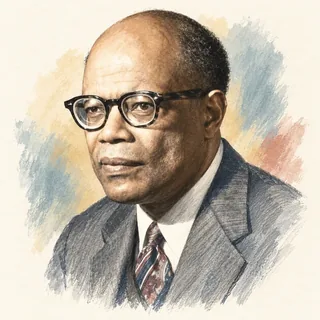
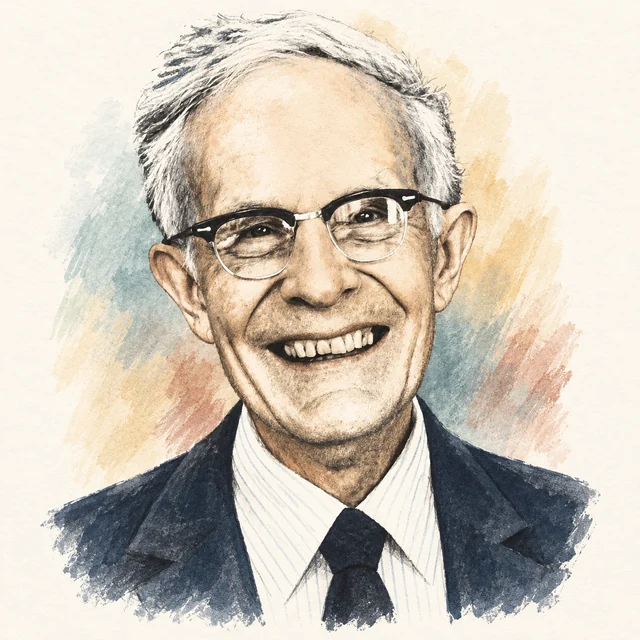
Schultz grew up amid farming in South Dakota. Wartime labour demands disrupted his schooling, and the hardship of farm families after the First World War drew him toward economics. Study at South Dakota State and Wisconsin led to a career at Iowa State from 1930 to 1943 and then at Chicago. He investigated agriculture as part of the wider economy, paying attention to incentives, available technology and the choices farmers actually faced. Visits to rural communities in lower-income countries informed his research. His work on human capital examined how education, training and health can build productive capabilities, with costs and institutions shaping the results.
The contribution
Schultz investigated agricultural development and investment in people’s productive capabilities. He received one half of the Sveriges Riksbank memorial prize. Poverty did not, in his account, automatically show that farmers were irrational or that supplying machines alone would solve their constraints.
The idea in plain language
Schultz challenged explanations that treated poor farmers as incapable of making sensible choices. With limited technology and incentives, people may use their available resources carefully and still remain poor. New productive opportunities, education, skills and health can change what is possible. His human-capital approach made investment in capabilities part of economic analysis, alongside the costs and conditions of that investment.
Read the full award story ↗