01 · The discovery
The idea, in everyday language
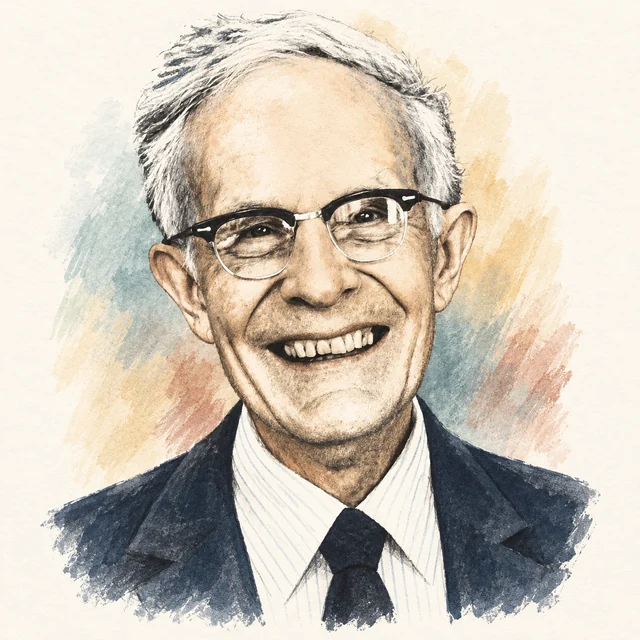
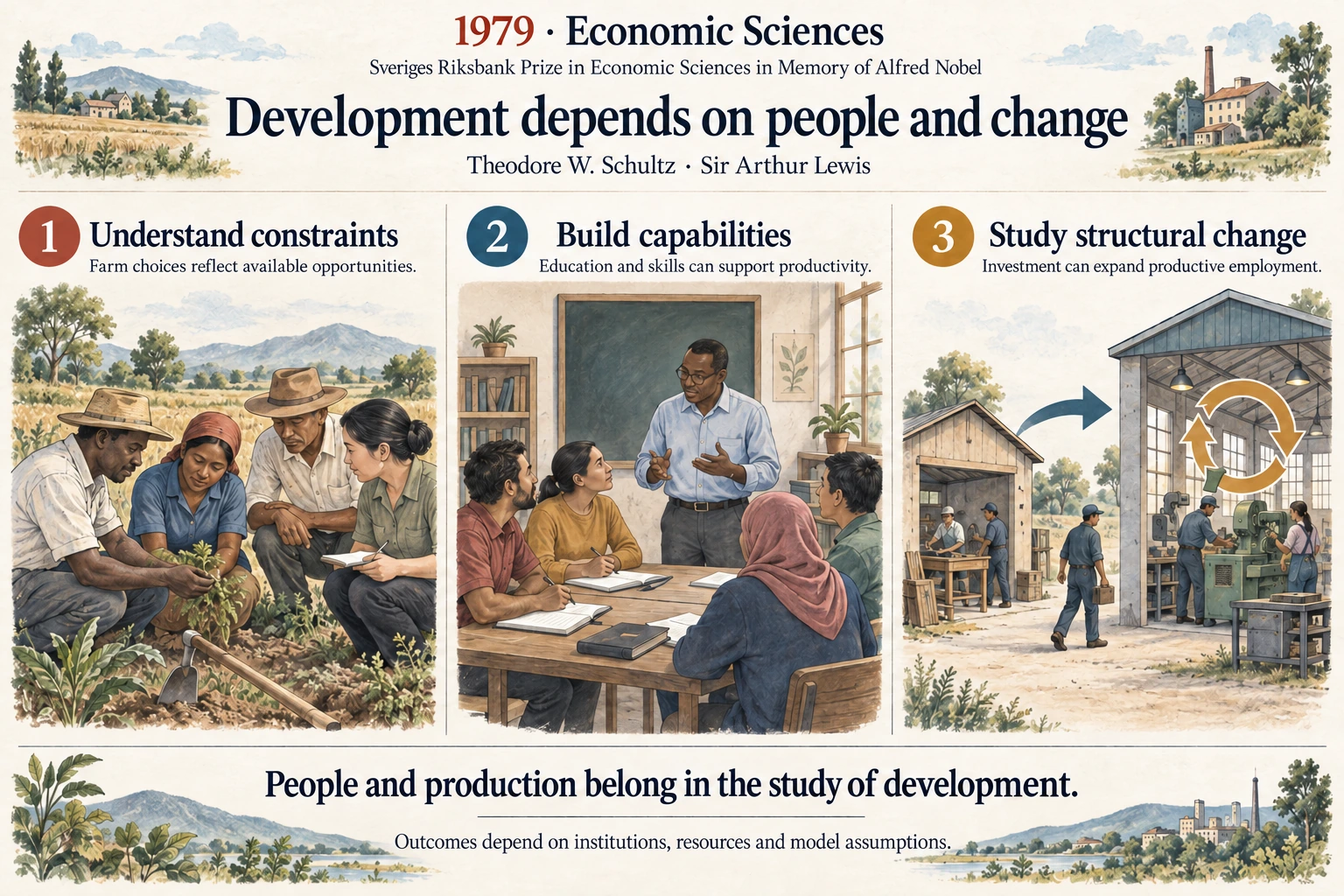
Schultz challenged explanations that treated poor farmers as incapable of making sensible choices. With limited technology and incentives, people may use their available resources carefully and still remain poor. New productive opportunities, education, skills and health can change what is possible. His human-capital approach made investment in capabilities part of economic analysis, alongside the costs and conditions of that investment.
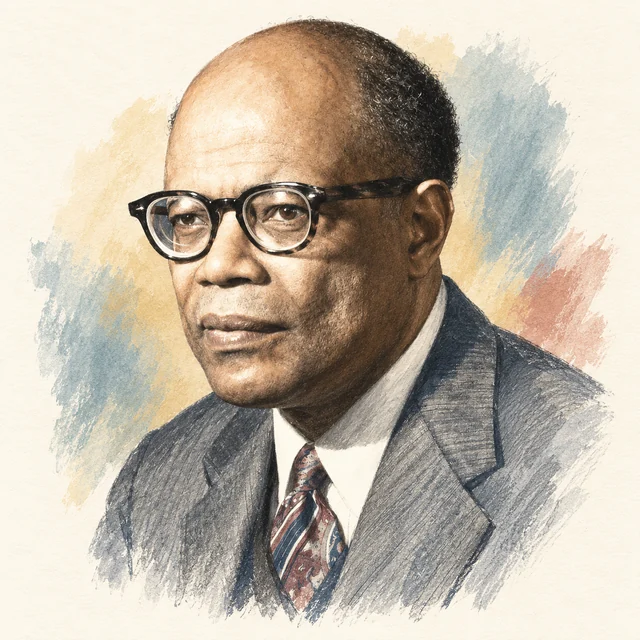
Lewis’s 1954 model considers a labour-abundant part of the economy and an expanding capitalist sector. If profits are reinvested and employment can grow, workers may move into more productive activities while wages initially remain relatively stable. As abundant labour is absorbed, those conditions change. The mechanism links production, distribution and capital accumulation; its assumptions need checking against the economy being studied.
Why it matters
The research gave development economics tools for studying agriculture, education, structural change and growth without treating national income as the only question. Each laureate received one half of the Sveriges Riksbank Prize in Economic Sciences in Memory of Alfred Nobel. Their work encouraged attention to real constraints and to the interaction between human capabilities and productive organisation.