A life in context
The person behind the prize
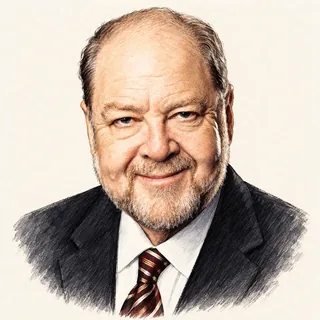
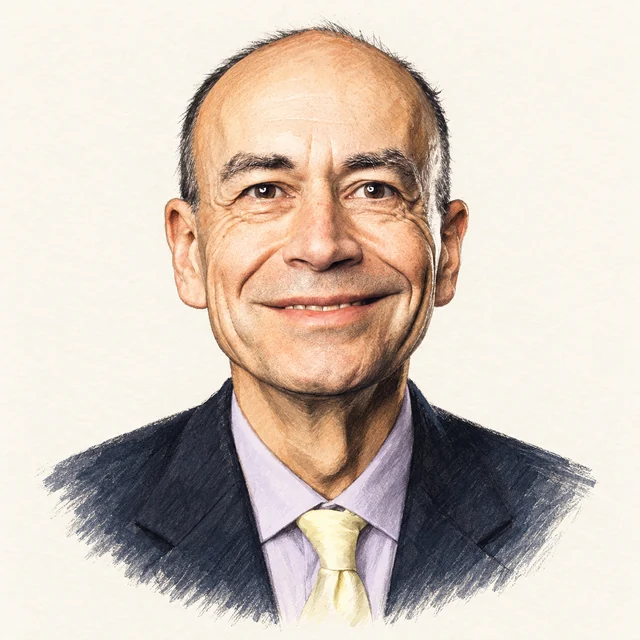
Südhof trained in Germany and completed doctoral research in Göttingen in 1982. The following year he moved to the University of Texas Southwestern Medical Center, later joining Stanford in 2008. He studied how neurons send chemical messages across the tiny gaps between them. The question required more than identifying a delivery system: the release had to happen at the precise moment an electrical signal reached the nerve terminal.
The contribution
Südhof identified how calcium-sensitive proteins help control the rapid fusion of neurotransmitter-filled vesicles. His work connected the arrival of calcium at a nerve terminal with the release machinery, explaining how vesicles can be prepared in advance and discharge their contents on cue. It added the timing mechanism to the genetic and biochemical understanding of transport.
The idea in plain language
A cell makes molecules in one location and often needs them somewhere else. Some travel in vesicles: tiny compartments surrounded by a membrane. A vesicle can carry cargo between internal compartments or release material outside the cell by fusing with its surface membrane. Without control over destination and timing, making the right molecule is not enough. The laureates uncovered complementary parts of the system that manages these deliveries.
Read the full award story ↗