A life in context
The person behind the prize
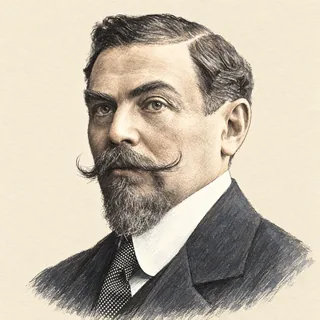
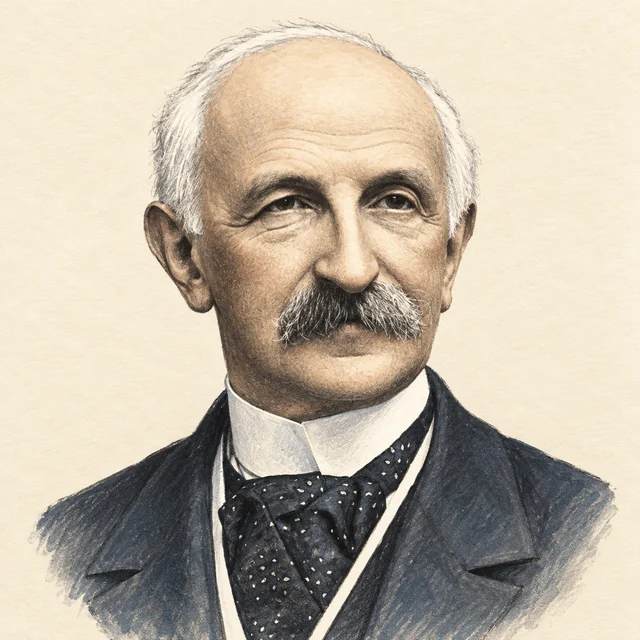
Tobias Michael Carel Asser was born into an Amsterdam family of lawyers. He completed his legal education in 1860 and combined practice with teaching, becoming professor at Amsterdam’s Athenaeum in 1862. He worked on commercial law and international legal relations, helped found an international-law journal in 1869 and co-founded the Institut de droit international in 1873. That organisation’s 1904 Nobel Prize was separate from his own later award. Asser’s distinctive project addressed private lives across national borders: courts needed ways to cooperate when family matters, documents or civil proceedings involved different legal systems. At his initiative the Netherlands convened the first Hague Conference on Private International Law in 1893; he also presided over sessions in 1894, 1900 and 1904. He joined the Council of State in 1893 and served as a Dutch delegate at the Hague Peace Conferences of 1899 and 1907, which were different conferences. His arbitration work included the 1902 Pious Fund case between the United States and Mexico, the first case heard through the Permanent Court of Arbitration. He shared the 1911 Peace Prize equally with Alfred Fried; neither attended the ceremony. Asser died in The Hague in 1913. The conferences and arbitration arrangements were not a world legislature or the later International Court of Justice.
The contribution
Asser received half the Peace Prize for his role in the Institut de droit international and the Hague private international law conferences. He helped build practical cooperation between legal systems without assuming that every country would adopt one domestic law.
The idea in plain language
A family, business or civil case can cross a border even when national laws differ. Asser helped convene the Hague private international law conferences from 1893, seeking agreed rules for jurisdiction, documents, legal assistance and family matters. Countries could cooperate through conventions rather than simply imposing one domestic law everywhere. His work also extended to international arbitration and the Hague Peace Conferences, distinct from the private-law sessions.
Read the full award story ↗