A life in context
The person behind the prize
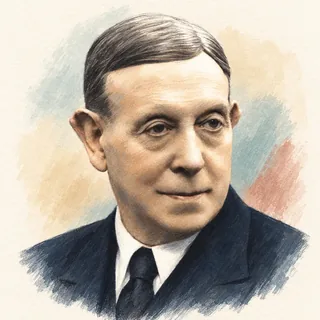
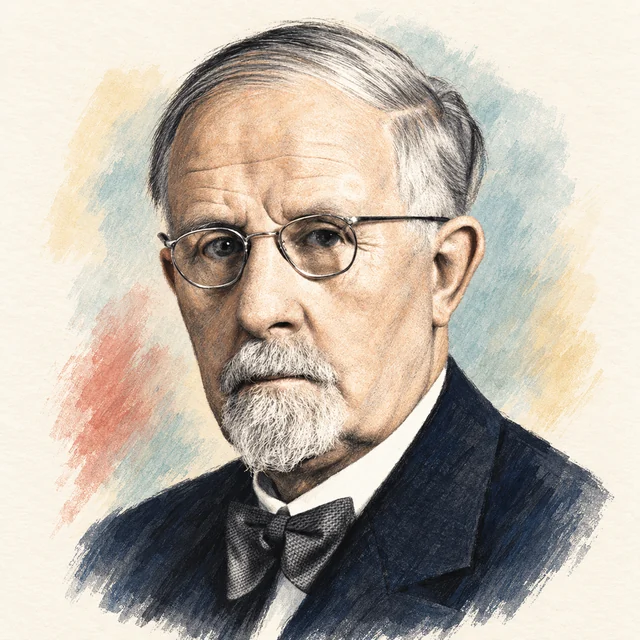
Hess studied medicine at Zurich, receiving his medical degree in 1906. After work in surgery and ophthalmology, he returned to physiological research in 1912. In 1917 he became professor and director of Zurich’s physiological institute. His interests included circulation and the coordination of internal organs. Investigations in animals showed that the diencephalon, particularly the hypothalamus, helps organise coordinated bodily responses rather than simply producing isolated muscle movements. This work connected autonomic activity with states such as rest and defensive behaviour. The 1949 prize recognised this functional organisation; it did not establish that human emotions have single, self-contained switches. Zurich was his award affiliation. Hess received one half of the Medicine Prize for physiology, independently of the other half awarded to Egas Moniz for leucotomy. Hess did not develop that operation. Later books, including a 1956 atlas and a 1962 work on psychological foundations, belong to the subsequent presentation of his research.
The contribution
Hess demonstrated functional organisation in the diencephalon as a coordinator of internal-organ activities. His half of the prize concerned animal physiology, separate from Moniz’s historical surgical award.
The idea in plain language
How does the brain coordinate internal organs with the state of the whole body? Hess studied this question through animal physiology. His work identified functional organisation in the diencephalon, especially the hypothalamus, linking autonomic responses with coordinated patterns such as rest and defence. This was a contribution to understanding regulation, not the discovery of a single switch for every human emotion.
Read the full award story ↗