A life in context
The person behind the prize
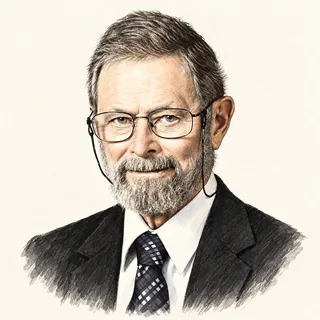
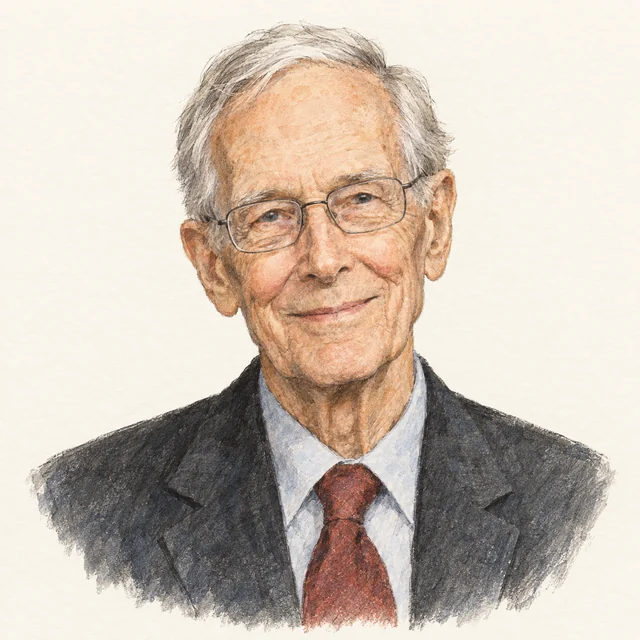
Boyle grew up in Canada and received his physics doctorate from McGill University in 1950. He joined Bell Laboratories in 1953, where his work included lasers and semiconductor research. He also contributed to research associated with the Apollo programme. In 1969, while considering new forms of electronic memory with George Smith, he helped devise a way to store and move small packets of electrical charge.
The contribution
Boyle and Smith invented the charge-coupled device, or CCD. When adapted to imaging, a grid of light-sensitive regions collects charge related to the light falling on it. Controlled voltages move those charge packets toward an output for measurement. This made a powerful electronic image sensor possible and contributed to digital photography and scientific imaging.
The idea in plain language
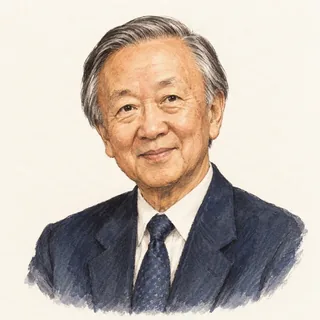
A glass fibre can guide light, but early fibres lost too much of it to carry useful signals over long distances. Kao, working with George Hockham, showed that much of the obstacle came from impurities in the glass. His analysis pointed toward exceptionally pure material and helped turn optical communication into a practical research target. Making low-loss fibres, lasers, amplifiers and complete networks required many further contributors.
Read the full award story ↗