A life in context
The person behind the prize
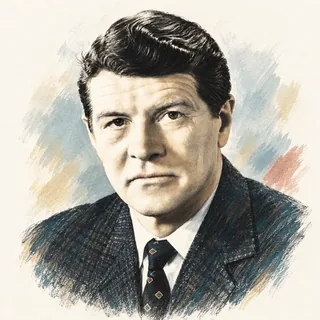
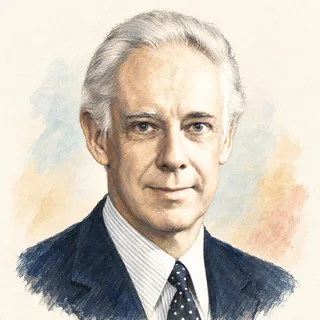
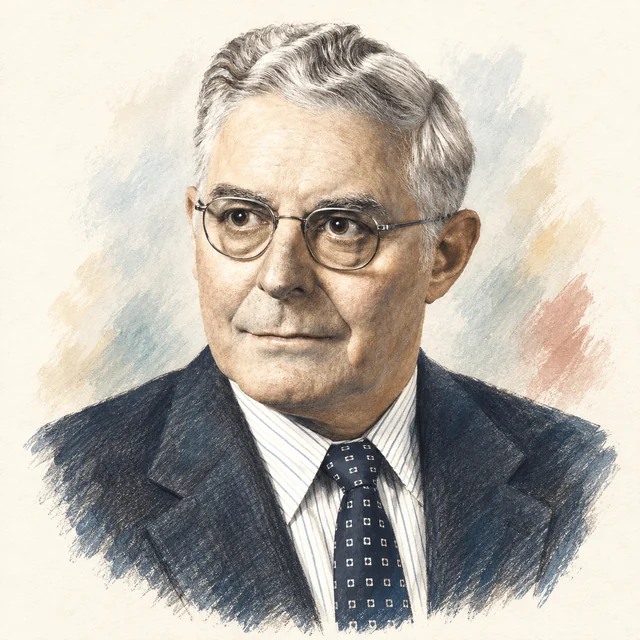
Stein studied chemistry at Harvard, graduating in 1933, before moving to biochemistry at Columbia. His doctoral work analysed elastin, and he joined Max Bergmann at Rockefeller after completing the degree requirements in 1937. Collaboration with Stanford Moore developed methods for separating and measuring amino acids and peptides. After the war, support from Rockefeller allowed them to pursue this work independently. Starch columns gave way to ion-exchange methods and an automatic amino-acid analyser. With colleagues, they investigated ribonuclease’s sequence and the groups involved in catalysis. Stein also worked to disseminate research through the Journal of Biological Chemistry, becoming editor in 1968 before illness forced him to leave that role in 1971. The award recognised chemical structure linked to enzyme function.
The contribution
Stein and Moore connected protein chemical analysis with the catalytic groups of ribonuclease’s active site. Stein received one quarter of the Chemistry Prize.
The idea in plain language
Anfinsen and colleagues disrupted ribonuclease’s folded structure and disulfide bonds, then studied recovery under appropriate conditions. The enzyme could regain its native form and activity. The sequence contained information needed for the active conformation, without a separate genetic template specifying its final shape. Assistance with folding can still affect how efficiently that state is reached.
Read the full award story ↗