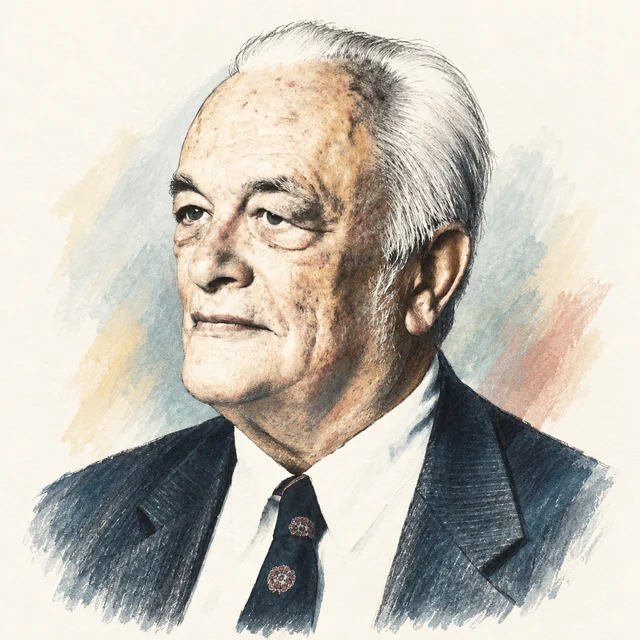
A life in context
The person behind the prize
Vickrey was born in Canada, studied mathematics at Yale and pursued economics at Columbia. His work ranged from progressive taxation to transit fares and the pricing of public services. He combined theory with detailed attention to practical institutions. He taught at Columbia for decades and was an emeritus professor by the award. He died on 11 October 1996, shortly after the prize was announced during his lifetime.
The contribution
Vickrey analysed how auction rules affect what privately informed bidders choose to reveal. In a sealed-bid second-price auction, the highest bidder wins but pays the second-highest bid. Under the standard private-value assumptions, bidding one’s actual valuation is a sound strategy. His work helped establish that good allocation depends on the rules and incentives, not merely on asking participants for truthful information.
The idea in plain language
A policymaker or auctioneer rarely knows every participant’s ability, effort or valuation. Simply asking for that information does not guarantee an honest answer, because the rules can make concealment or exaggeration attractive. Mirrlees and Vickrey made these information and incentive constraints central to economic analysis.
Read the full award story ↗