A life in context
The person behind the prize
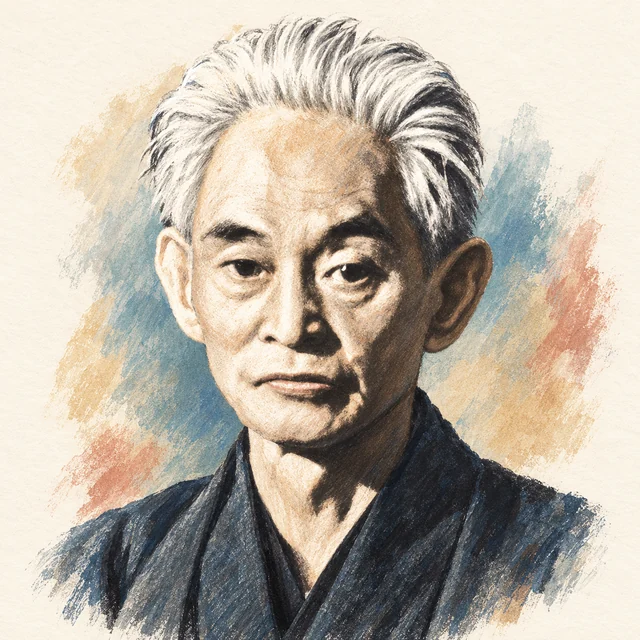
Kawabata lost close family members early in life and grew up near Osaka. He studied at Tokyo Imperial University from 1920 to 1924 and helped found Bungei Jidai, associated with a new movement in Japanese literature. The Ibaraki municipal literary museum dates The Izu Dancer to 1926, while the short Nobel biography gives 1927; the museum date is used here. Snow Country, Thousand Cranes, The Sound of the Mountain and The Old Capital show different aspects of his attention to relationships, memory, beauty and loss. Nobel sources record Thousand Cranes and The Sound of the Mountain beginning to appear in 1949, rather than the final dates of every edition. He also worked as a critic, supported other writers and participated in PEN’s international literary exchanges. The award recognised narrative mastery and sensibility; it does not make his perspective the voice of every Japanese person.
The contribution
Kawabata was recognised for narrative mastery and artistic sensibility. He received the full Literature Prize.
The idea in plain language
Works including Snow Country and Thousand Cranes attend closely to relationships, elusive feelings and fragile details. The Sound of the Mountain and The Old Capital offer other settings for memory, family and changing surroundings.
Read the full award story ↗

