c.curionodeThe Nobel Archive

1925 · Peace

Different routes towards European reconciliation

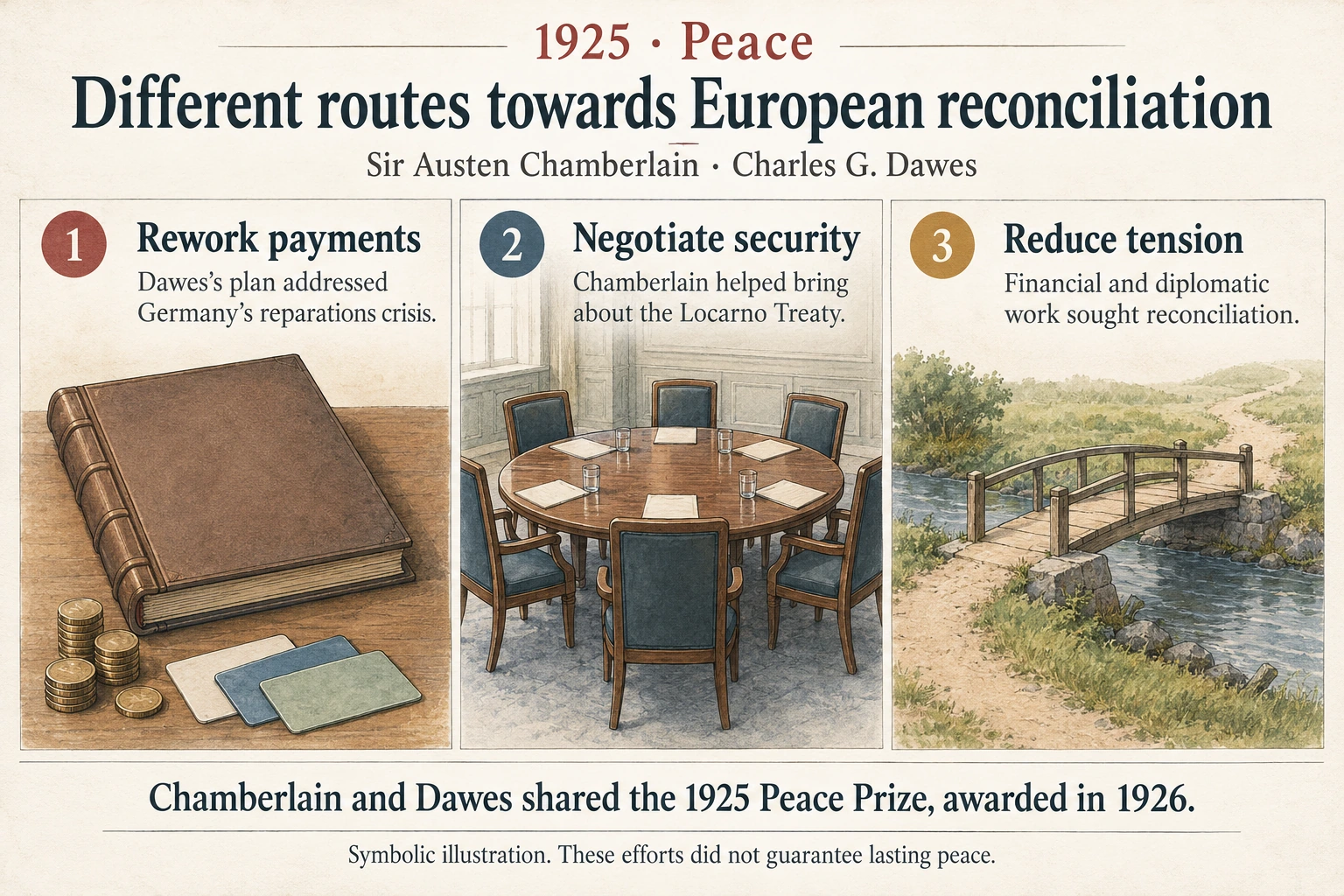
Chamberlain helped negotiate Locarno; Dawes helped reorganise German reparations. Their different contributions sought to reduce postwar tensions, and they shared the 1925 prize, presented in 1926.

Dawes PlanLocarnoPostwar reconciliation
1925Peace

Visual guide

The prize, pictured

Infographic explaining Different routes towards European reconciliation
Original AI-generated infographic. A conceptual overview; the explanations and sources below provide context.
Read the poster text

Chamberlain and Dawes shared the 1925 Peace Prize, awarded in 1926.

  1. Rework payments

    Dawes’s plan addressed Germany’s reparations crisis.

  2. Negotiate security

    Chamberlain helped bring about the Locarno Treaty.

  3. Reduce tension

    Financial and diplomatic work sought reconciliation.

Symbolic illustration. These efforts did not guarantee lasting peace.

01 · The contribution

The idea, in everyday language

After the First World War, reparations and insecurity reinforced distrust between Germany and the Allies. An expert committee chaired by Dawes proposed a plan in April 1924 that adjusted annual German payments, supported financial stabilisation and relied on foreign lending. It helped make withdrawal from the Ruhr possible, without cancelling every claim or finally settling the total amount owed.

Chamberlain’s contribution concerned diplomatic security. As British foreign secretary he worked with representatives of Germany, France and other states towards the Locarno agreements of 1925. Guarantees for Germany’s western borders and arbitration arrangements offered a way to pursue cooperation. The two men received equal shares for these distinct forms of work, not for jointly writing a single plan.

Why it matters

The financial and diplomatic efforts helped open space for reconciliation after a destructive war. The award recognised ways of reducing tension through negotiated arrangements, with many other governments and participants contributing to the process.
02 · The people

Who brought the idea to life?

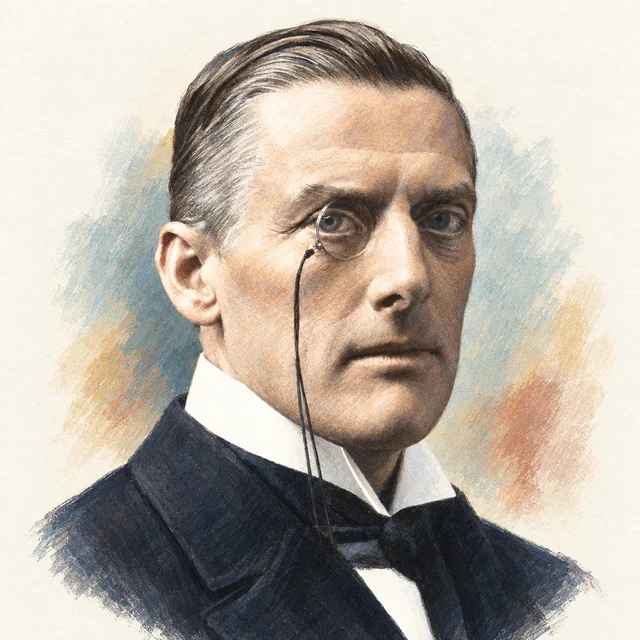
Illustrated portrait of Sir Austen Chamberlain

Sir Austen Chamberlain

Prize share · 1/2

Chamberlain received half the Peace Prize for his role in the Locarno Treaty, helping negotiate British participation in security guarantees and Franco-German reconciliation.

Read the biography ↗
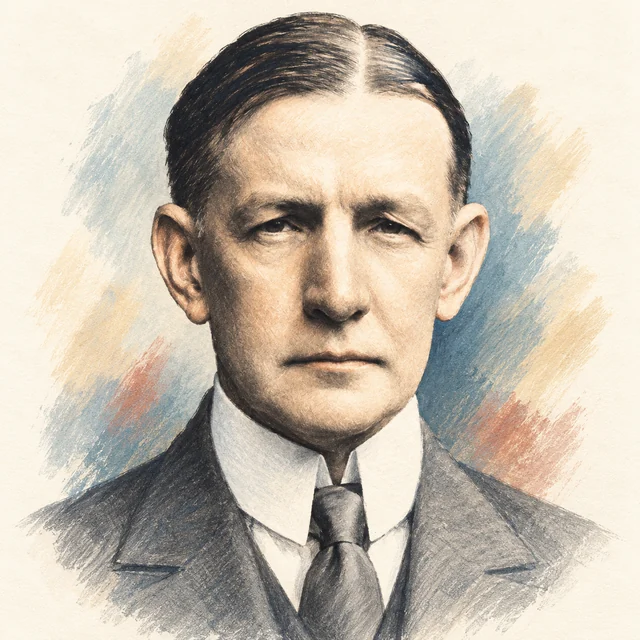
Illustrated portrait of Charles G. Dawes

Charles G. Dawes

Prize share · 1/2

Dawes received half the Peace Prize for the Dawes Plan, which sought to ease the German reparations crisis through revised annual payments, financial stabilisation and international lending.

Read the biography ↗

03 · Years in the making

The path here

  1. 1923

    The Reparation Commission forms an expert committee chaired by Dawes.

  2. 1924

    The committee presents its plan for payments and financial stabilisation.

  3. 1925

    Chamberlain helps negotiate the Locarno agreements.

  4. 1926

    Chamberlain and Dawes receive their shared 1925 Peace Prize; Briand and Stresemann receive a separate 1926 prize.

04 · Read further

From the original sources

Original explanations by Curionode, based on the official records below. Biographical details and affiliations refer to the award year.

  1. Official award summary nobelprize.org
  2. Award ceremony speech nobelprize.org
  3. Office of the Historian: Dawes Plan and reparations history.state.gov