c.curionodeThe Nobel Archive

1926 · Peace

Former enemies negotiate a path towards reconciliation

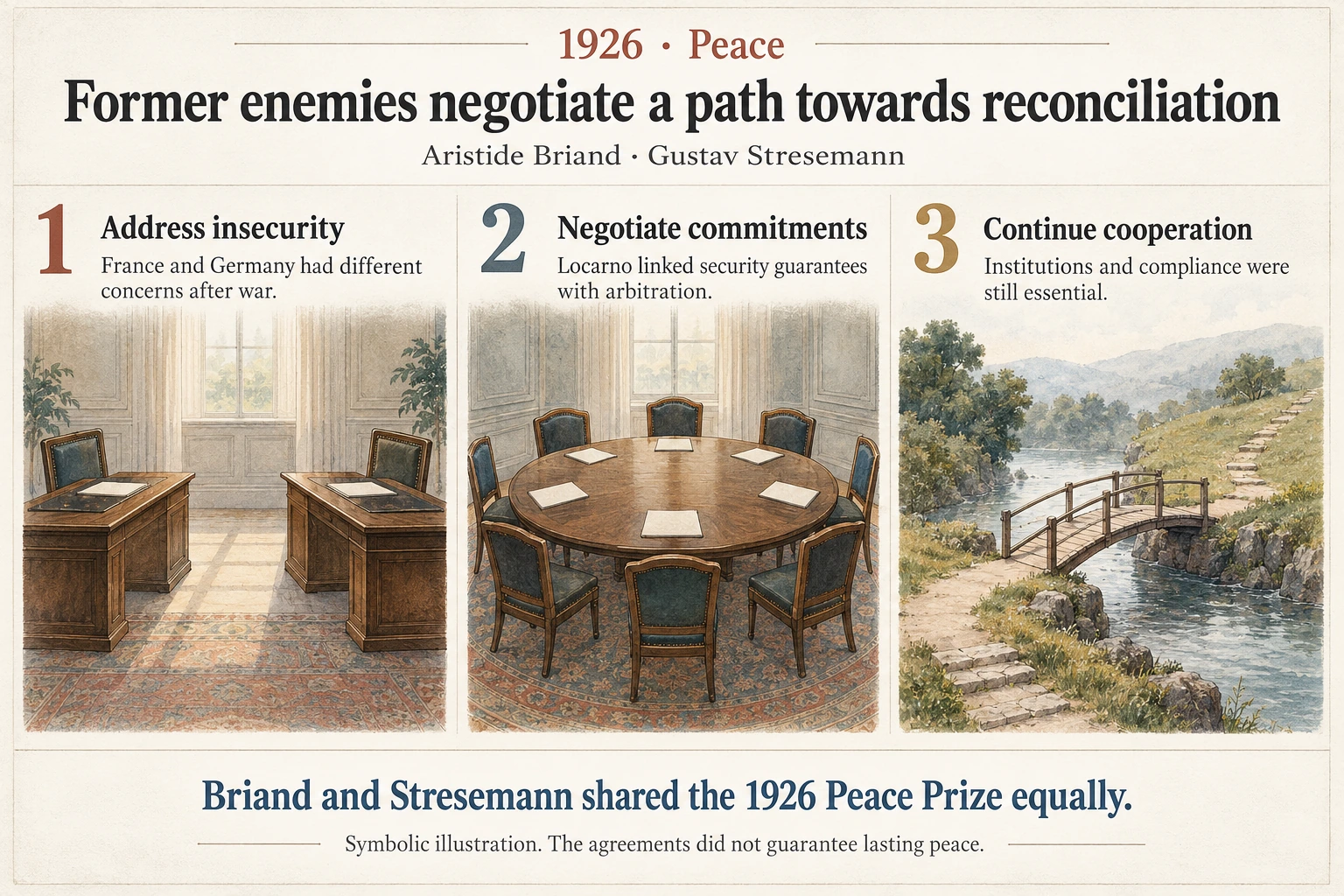
Briand and Stresemann shared the Peace Prize for rapprochement between France and Germany and the Locarno agreements. Negotiated commitments offered a way to reduce insecurity after war.

LocarnoFranco-German reconciliationNegotiated security
1926Peace

Visual guide

The prize, pictured

Infographic explaining Former enemies negotiate a path towards reconciliation
Original AI-generated infographic. A conceptual overview; the explanations and sources below provide context.
Read the poster text

Briand and Stresemann shared the 1926 Peace Prize equally.

  1. Address insecurity

    France and Germany had different concerns after war.

  2. Negotiate commitments

    Locarno linked security guarantees with arbitration.

  3. Continue cooperation

    Institutions and compliance were still essential.

Symbolic illustration. The agreements did not guarantee lasting peace.

01 · The contribution

The idea, in everyday language

The First World War ended without removing the fears and disputes that divided Europe. Reparations, occupation and mistrust complicated relations between France and Germany. Briand sought French security; Stresemann wanted Germany to regain room for peaceful international action. Their interests differed, but negotiation could address some concerns on both sides.

The Locarno negotiations in October 1925 involved several governments, including Britain, Belgium and Italy. The agreements included guarantees concerning Germany’s western borders with France and Belgium, alongside separate arbitration arrangements. They were formally signed in London in December 1925. Germany’s entry into the League of Nations in 1926 gave cooperation an institutional setting. Briand and Stresemann each received half the 1926 Peace Prize.

Why it matters

The diplomacy created an opportunity for cooperation between former enemies and made negotiated security a visible political choice. It depended on other negotiators and on institutions as well as the two laureates. The award recognised an effort towards peace, not a demonstration that peace had been permanently secured.
02 · The people

Who brought the idea to life?

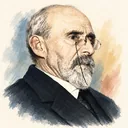
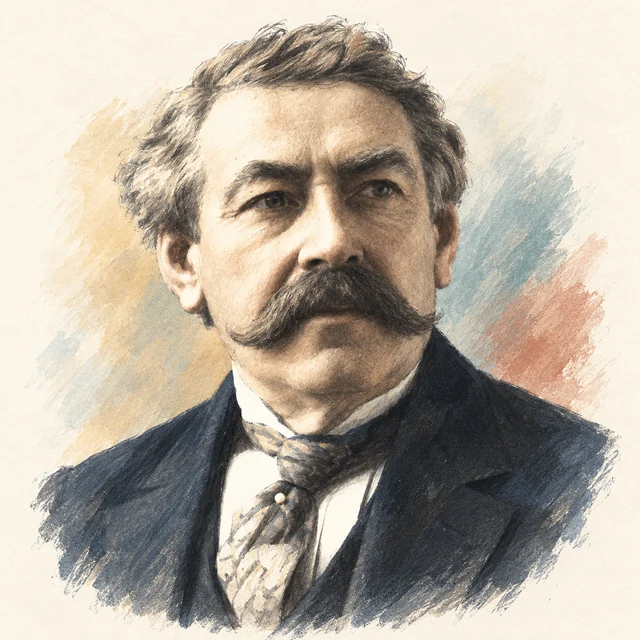
Illustrated portrait of Aristide Briand

Aristide Briand

Prize share · 1/2

Briand received half the Peace Prize for work towards Franco-German reconciliation and the Locarno agreements, using diplomacy to seek French security through negotiated commitments.

Read the biography ↗
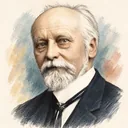
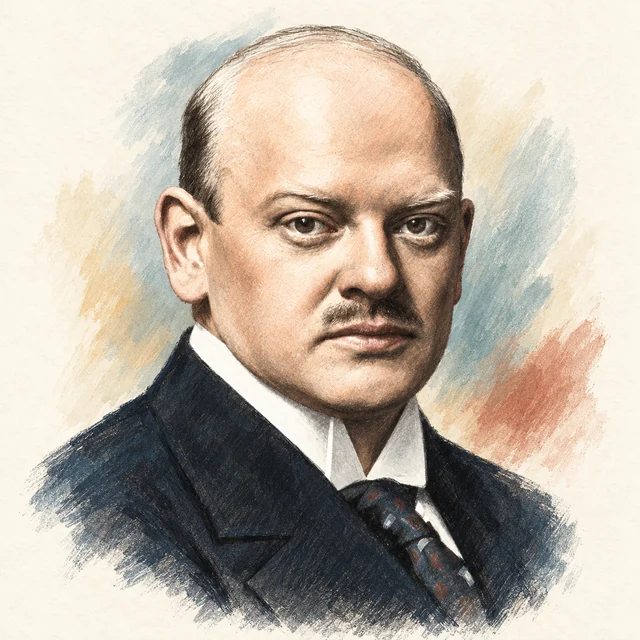
Illustrated portrait of Gustav Stresemann

Gustav Stresemann

Prize share · 1/2

Stresemann received half the Peace Prize for the Locarno process and rapprochement with France, seeking Germany’s international reintegration through negotiation and participation in the League of Nations.

Read the biography ↗

03 · Years in the making

The path here

  1. 1923

    Crisis over the Ruhr deepens Franco-German mistrust; Stresemann briefly serves as chancellor.

  2. 1925

    Locarno agreements are negotiated in October and formally signed in London in December.

  3. 1926

    Germany joins the League of Nations; Briand and Stresemann share the Peace Prize.

  4. 1928

    The later Kellogg–Briand Pact becomes another attempt to renounce war.

04 · Read further

From the original sources

Original explanations by Curionode, based on the official records below. Biographical details and affiliations refer to the award year.

  1. Official award summary nobelprize.org
  2. Award ceremony speech nobelprize.org
  3. German Historical Museum: Stresemann biography dhm.de