c.curionodeThe Nobel Archive

1927 · Peace

Building public support for peaceful cooperation

Buisson and Quidde worked among citizens, associations and public audiences in France and Germany. Their shared prize recognized the effort to make peaceful international cooperation a cause people could support.

Peace associationsPublic opinionFranco-German reconciliationInternational cooperation
1927Peace

Visual guide

The prize, pictured

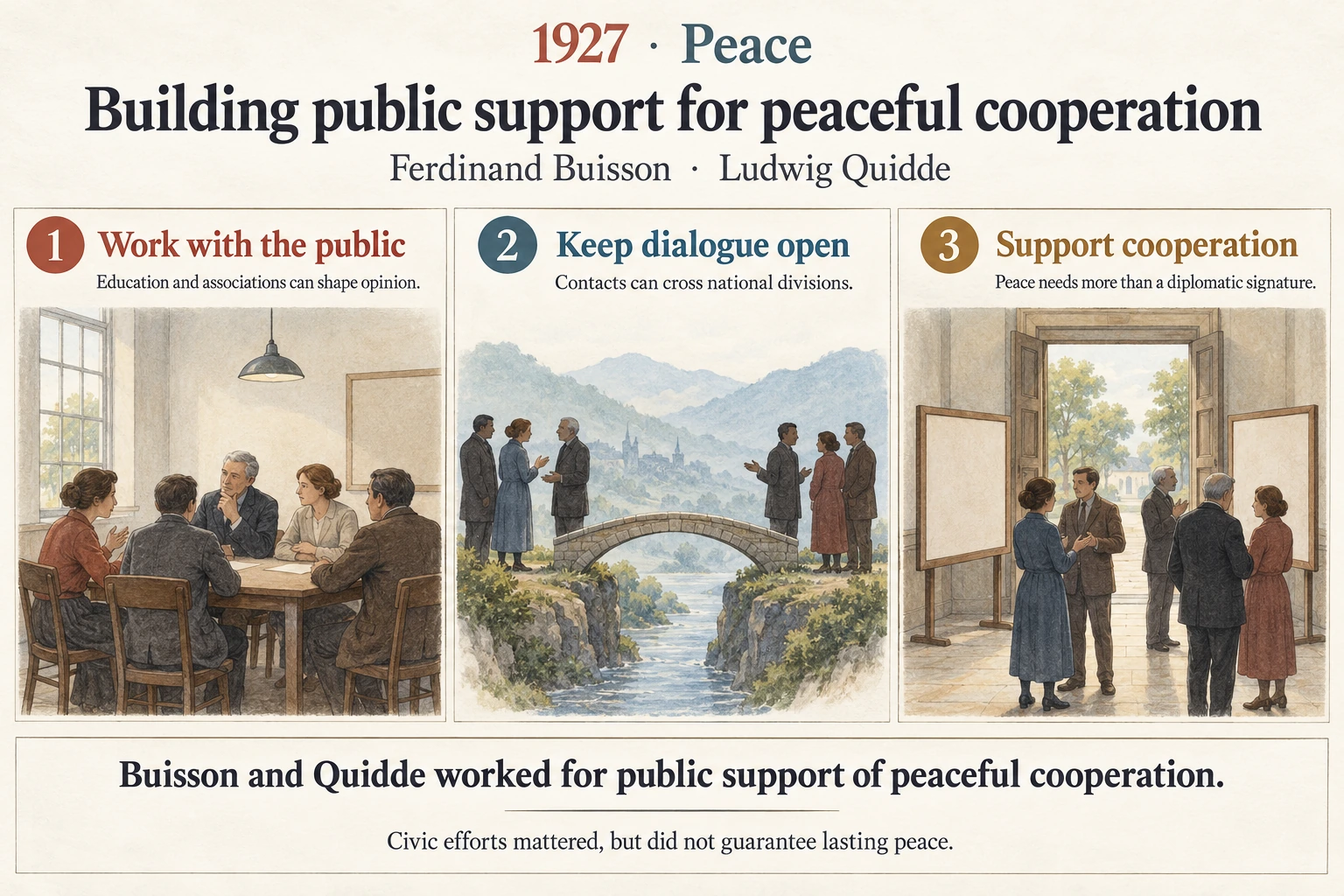
Infographic explaining Building public support for peaceful cooperation
Original AI-generated infographic. A conceptual overview; the explanations and sources below provide context.
Read the poster text

Buisson and Quidde worked for public support of peaceful cooperation.

  1. Work with the public

    Education and associations can shape opinion.

  2. Keep dialogue open

    Contacts can cross national divisions.

  3. Support cooperation

    Peace needs more than a diplomatic signature.

Civic efforts mattered, but did not guarantee lasting peace.

01 · The contribution

The idea, in everyday language

Treaties depend partly on the public worlds around them: schools, newspapers, associations and meetings can reinforce hostility or make cooperation more imaginable. The 1927 committee recognized Buisson and Quidde for helping develop opinion favourable to peaceful relations in France and Germany. Their award concerned civic work, rather than service as the negotiators of the Locarno treaties.

Buisson linked education and human-rights campaigning with postwar reconciliation. Quidde organized peace associations and congresses, challenged militarism and opposed annexationist war aims. Their work included maintaining contacts across national divisions and arguing against policies that could deepen resentment. The two men did not have identical views or identical wartime histories.

Why it matters

The prize broadened attention from diplomacy by officials to the long work of education and civic organization. It recognized efforts to change the climate in which international decisions are made. That contribution remained meaningful even though it did not secure lasting peace or prevent the later rise of Nazism and another world war.
02 · The people

Who brought the idea to life?

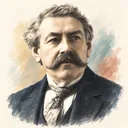
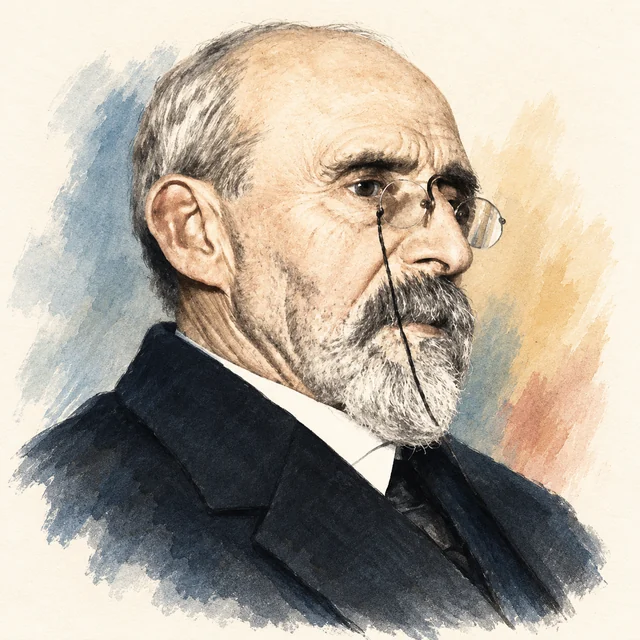
Illustrated portrait of Ferdinand Buisson

Ferdinand Buisson

Prize share · 1/2

Buisson received half the Peace Prize for helping build French public support for peaceful international cooperation. Education, rights campaigns and meetings for Franco-German reconciliation formed parts of that work.

Read the biography ↗
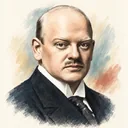
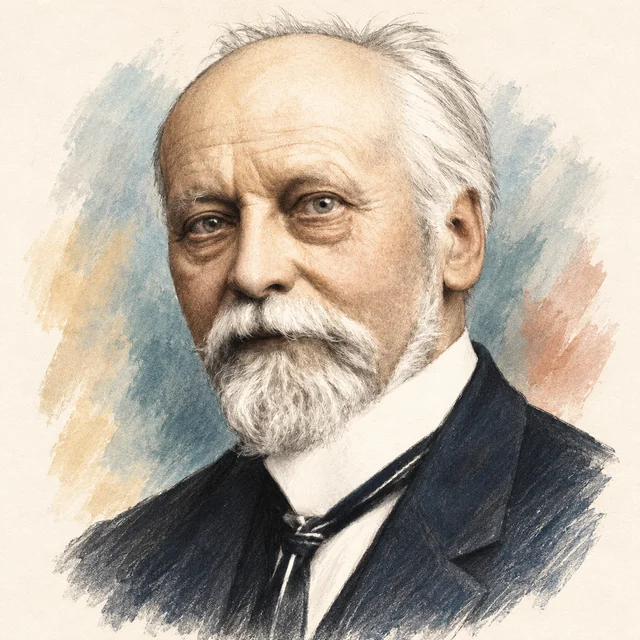
Illustrated portrait of Ludwig Quidde

Ludwig Quidde

Prize share · 1/2

Quidde received half the Peace Prize for helping create German public support for peaceful international cooperation. He organized peace associations and congresses, challenged militarism and sought reconciliation across national divisions.

Read the biography ↗

03 · Years in the making

The path here

  1. 1867

    Buisson takes part in the Geneva peace congress.

  2. 1894

    Quidde publishes Caligula, a satire on imperial political culture.

  3. 1914

    Quidde becomes president of the German Peace Society.

  4. 1927

    Buisson and Quidde receive equal shares of the Peace Prize.

04 · Read further

From the original sources

Original explanations by Curionode, based on the official records below. Biographical details and affiliations refer to the award year.

  1. Official award summary nobelprize.org
  2. Award ceremony speech nobelprize.org
  3. League for Human Rights: institutional history ldh-france.org