c.curionodeThe Nobel Archive

1930 · Peace

Bringing churches together for peace

Söderblom’s 1925 Stockholm conference promoted practical cooperation across church and national divisions. Shared work did not require every tradition to become one institution.

Ecumenical movementStockholm 1925Church cooperationPeace
1930Peace

Visual guide

The prize, pictured

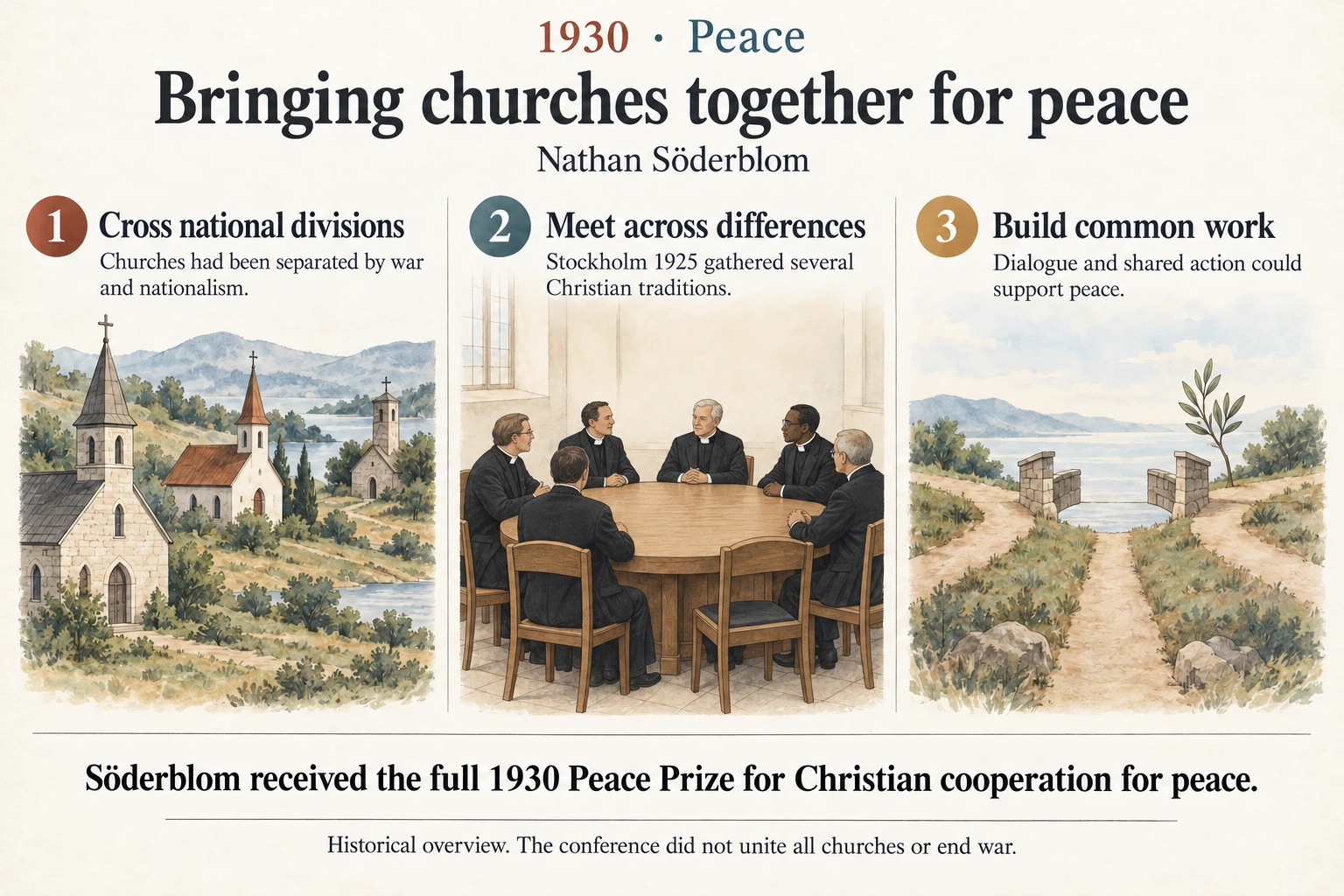
Infographic explaining Bringing churches together for peace
Original AI-generated infographic. A conceptual overview; the explanations and sources below provide context.
Read the poster text

Söderblom received the full 1930 Peace Prize for Christian cooperation for peace.

  1. Cross national divisions

    Churches had been separated by war and nationalism.

  2. Meet across differences

    Stockholm 1925 gathered several Christian traditions.

  3. Build common work

    Dialogue and shared action could support peace.

Historical overview. The conference did not unite all churches or end war.

01 · The contribution

The idea, in everyday language

The First World War revealed how churches could become aligned with opposing national causes. Söderblom sought cooperation that would challenge those divisions and connect religious commitment with practical work for peace. As archbishop of Uppsala and a scholar with international contacts, he helped make a large common meeting possible.

The 1925 Conference on Life and Work in Stockholm brought Anglican, Protestant and Orthodox representatives together. The Roman Catholic Church was not represented. The purpose was not simply to erase differences in doctrine, but to find grounds for common action on social and international problems. This was Christian ecumenical cooperation, not a union of all religions.

Why it matters

The conference strengthened organized ecumenical cooperation and the place of peace and social responsibility within it. The Life and Work movement was one of the streams that later contributed to the World Council of Churches, founded in 1948. Söderblom had died in 1931, so this later institution was part of a developing legacy, not an organization he personally founded.
02 · The people

Who brought the idea to life?

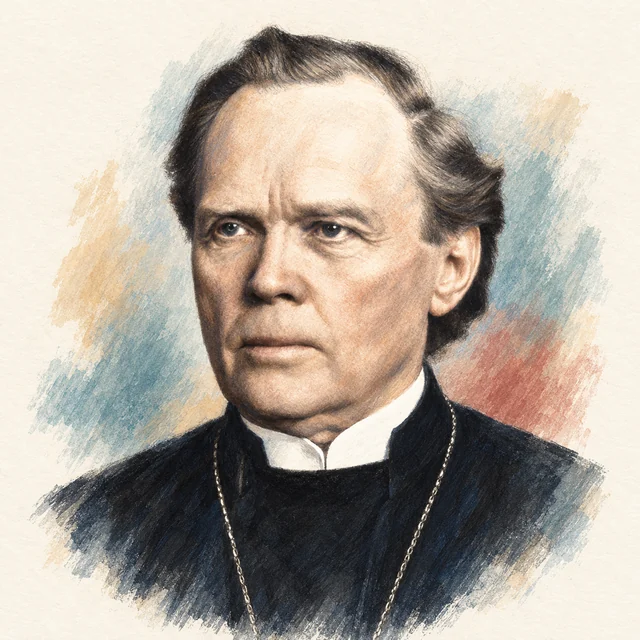
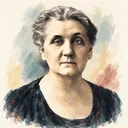
Illustrated portrait of Nathan Söderblom

Nathan Söderblom

Prize share · 1

Söderblom received the full Peace Prize for promoting Christian unity and a disposition toward international peace. His principal achievement was organized cooperation across church and national divisions, especially through the 1925 Stockholm conference.

Read the biography ↗

03 · Years in the making

The path here

  1. 1914

    Söderblom becomes archbishop of Uppsala.

  2. 1925

    The Stockholm Conference on Life and Work brings several Christian traditions together.

  3. 1930

    He receives the full Peace Prize; Kellogg’s separate 1929 prize is presented at the same ceremony.

04 · Read further

From the original sources

Original explanations by Curionode, based on the official records below. Biographical details and affiliations refer to the award year.

  1. Official award summary nobelprize.org
  2. Award ceremony speech nobelprize.org
  3. World Council of Churches: the 1925 conference and later legacy oikoumene.org