c.curionodeThe Nobel Archive

1944 · Physiology or Medicine

Separate the signals inside a nerve bundle

Erlanger and Gasser showed that nerve fibres differ in how they conduct and respond, rather than behaving as one uniform cable.

Nerve fibresConductionElectrical recordingPhysiology
1944Physiology or Medicine

Visual guide

The prize, pictured

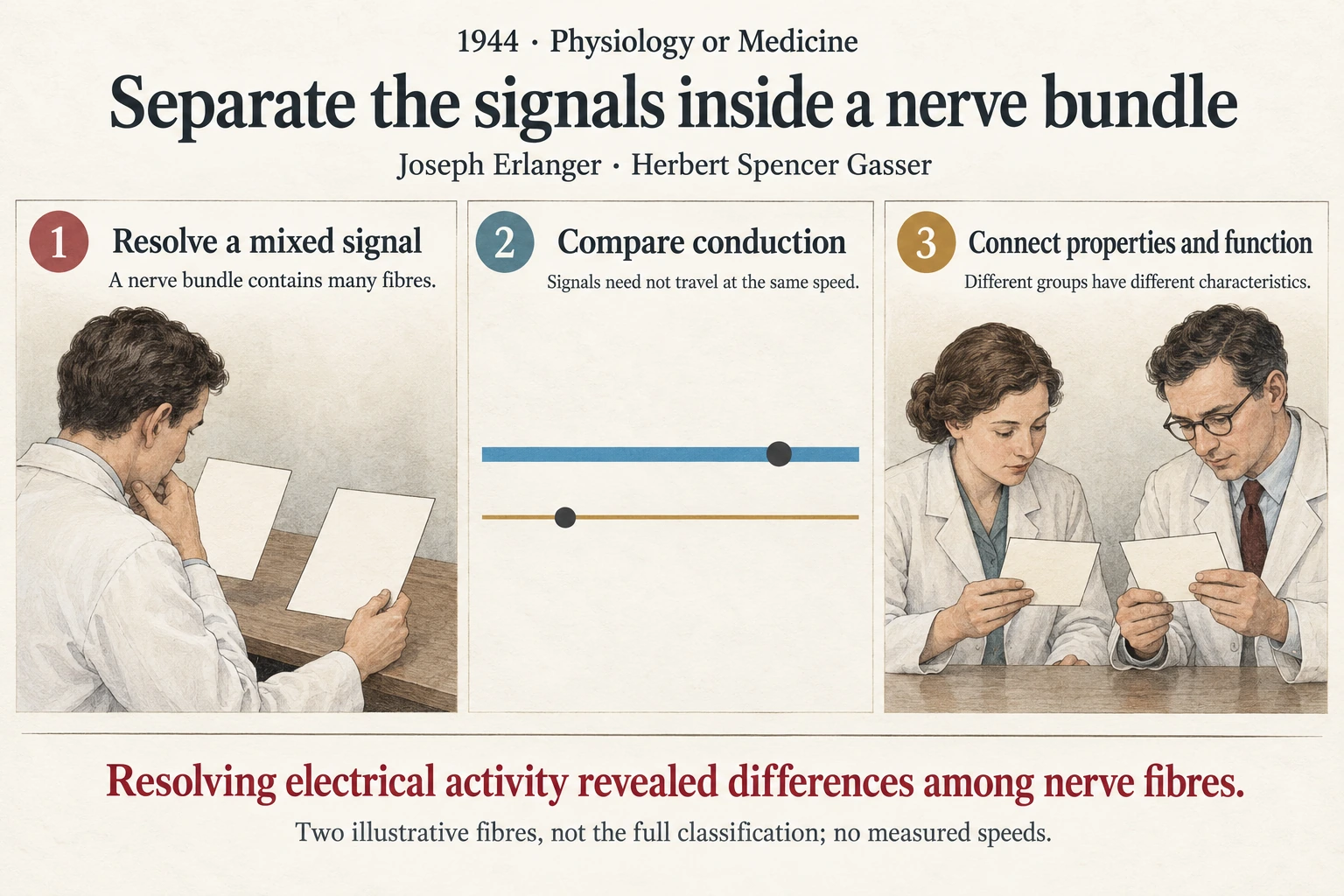
Infographic explaining Separate the signals inside a nerve bundle
Original AI-generated infographic. A conceptual overview; the explanations and sources below provide context.
Read the poster text

Resolving electrical activity revealed differences among nerve fibres.

  1. Resolve a mixed signal

    A nerve bundle contains many fibres.

  2. Compare conduction

    Signals need not travel at the same speed.

  3. Connect properties and function

    Different groups have different characteristics.

Two illustrative fibres, not the full classification; no measured speeds.

01 · The discovery

The idea, in everyday language

A nerve bundle contains many fibres. Recording from the bundle can combine their activity into a signal that hides important differences. Erlanger and Gasser improved rapid electrical recording, notably using a cathode-ray oscillograph, to distinguish components arriving at different times.

Those components revealed differences in conduction speed and other physiological properties. Fibres also differed in excitability and in the interval needed before they could respond again. Their work supported broad A, B and C groups, including subdivisions within A, and helped relate electrical properties to different functions. The 1944 award was shared equally: Erlanger was at Washington University in St Louis, and Gasser directed the Rockefeller Institute for Medical Research in New York.

Why it matters

The work made the functional diversity of peripheral nerves experimentally accessible. Instead of treating every fibre as interchangeable, physiologists could compare groups with distinct properties. This provided foundations for later investigation of sensory and motor pathways; it did not establish a simple one-to-one map from every sensation to one exclusive fibre class.
02 · The people

Who brought the idea to life?

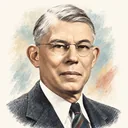
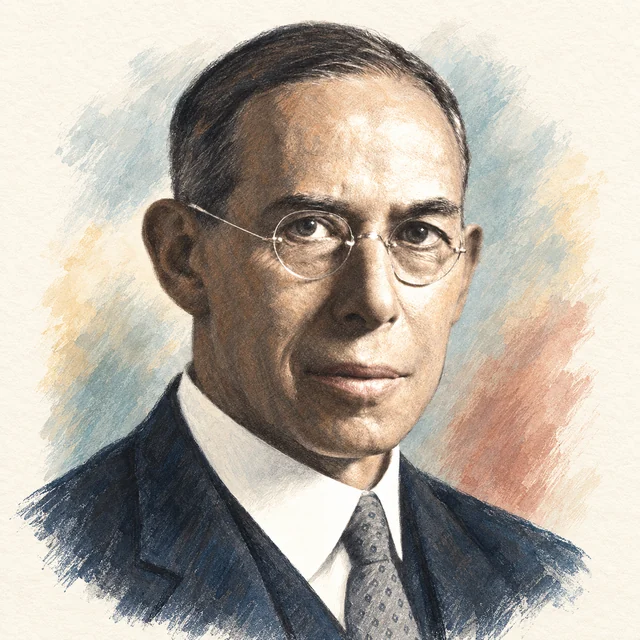
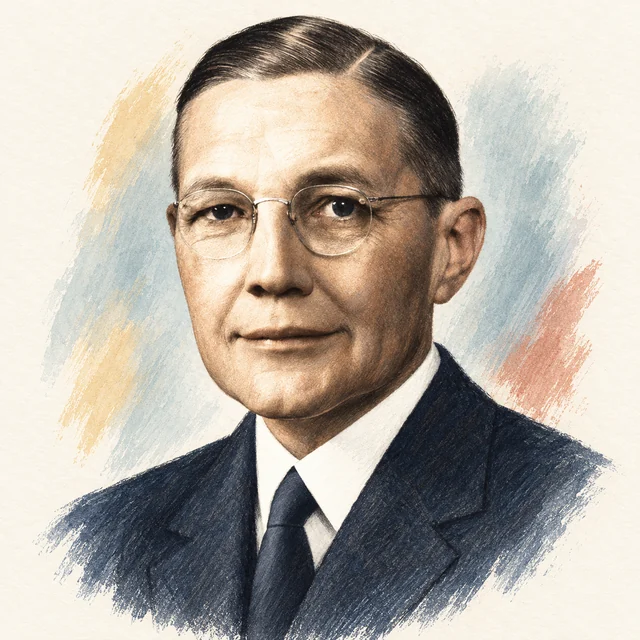
Illustrated portrait of Joseph Erlanger

Joseph Erlanger

Prize share · 1/2

Erlanger and Gasser distinguished different functional properties of individual nerve fibres through improved electrical recording and physiological investigation. Erlanger received one half of the Medicine Prize.

Read the biography ↗
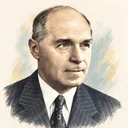
Illustrated portrait of Herbert Spencer Gasser

Herbert Spencer Gasser

Prize share · 1/2

Gasser collaborated with Erlanger to resolve components of nerve activity and investigate functional differences among fibres. He received one half of the Medicine Prize.

Read the biography ↗

03 · Years in the making

The path here

  1. 1899

    Erlanger receives his medical degree at Johns Hopkins.

  2. 1915

    Gasser receives his medical degree at Johns Hopkins.

  3. 1916

    Gasser joins Washington University, where Erlanger is working.

  4. 1922

    Their improved oscillographic recording helps resolve rapid nerve signals.

  5. 1937

    Their book Electrical Signs of Nervous Activity appears.

  6. 1944

    Erlanger and Gasser share the Medicine Prize equally.

04 · Read further

From the original sources

Original explanations by Curionode, based on the official records below. Biographical details and affiliations refer to the award year.

  1. Official award summary nobelprize.org
  2. Award ceremony speech nobelprize.org
  3. Official biography: Joseph Erlanger nobelprize.org
  4. Official biography: Herbert Spencer Gasser nobelprize.org

More in Physiology or Medicine

Browse this subject ↗