c.curionodeThe Nobel Archive

1960 · Peace

Non-violent resistance for equal rights

Lutuli defended human dignity and equal political rights against apartheid through organised non-violent resistance.

Non-violent resistanceEqual rightsApartheid
1960Peace

Visual guide

The prize, pictured

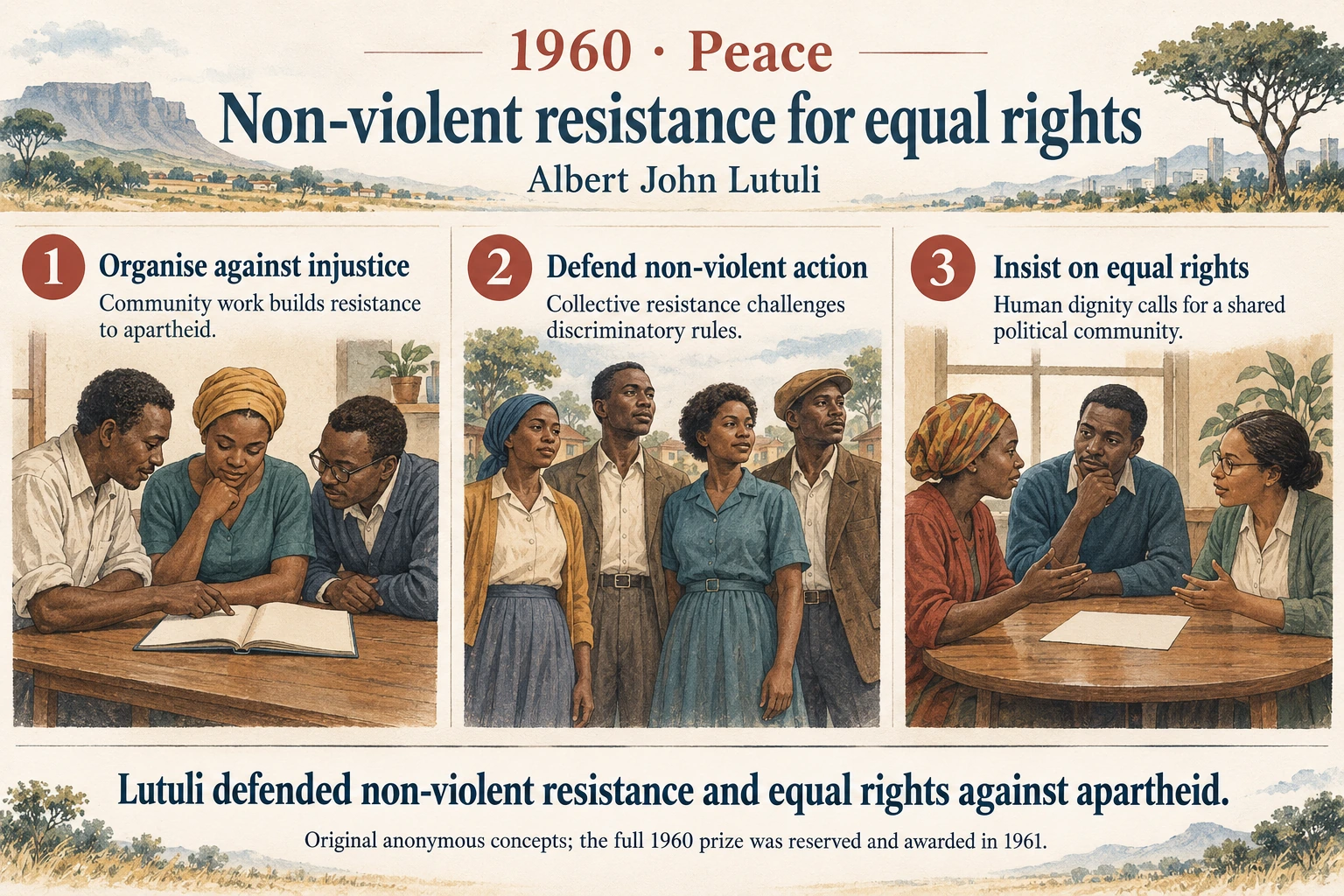
Infographic explaining Non-violent resistance for equal rights
Original AI-generated infographic. A conceptual overview; the explanations and sources below provide context.
Read the poster text

Lutuli defended non-violent resistance and equal rights against apartheid.

  1. Organise against injustice

    Community work builds resistance to apartheid.

  2. Defend non-violent action

    Collective resistance challenges discriminatory rules.

  3. Insist on equal rights

    Human dignity calls for a shared political community.

Original anonymous concepts; the full 1960 prize was reserved and awarded in 1961.

01 · The contribution

The idea, in everyday language

Apartheid imposed racial divisions in political participation, movement, education and ordinary life. Challenging such a system required collective organisation under restrictions on speech, travel and public meetings.

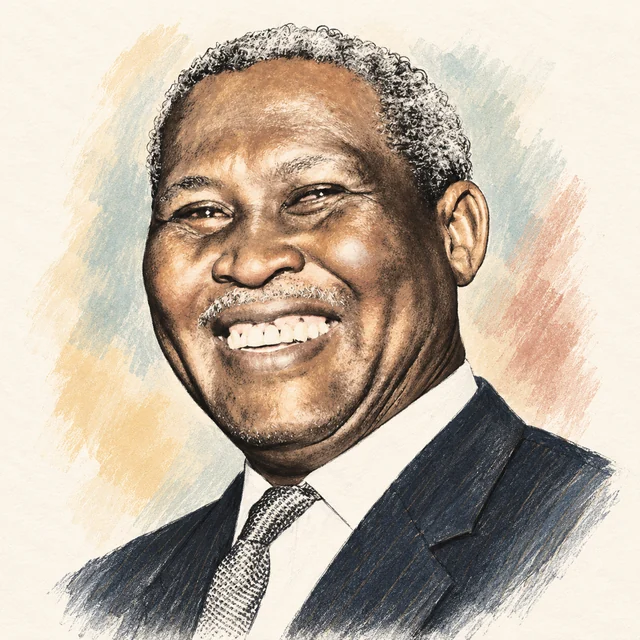
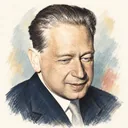
Lutuli brought his experience as a teacher and community chief to the African National Congress. He joined in 1944, helped lead the 1952 Defiance Campaign and became ANC president-general that December after being removed as chief. He argued for non-violent resistance and a shared political community with equal rights across racial divisions.

Why it matters

The award brought international attention to his struggle against apartheid and his insistence on dignity without racial hatred. It recognised Lutuli as an individual, while his work was part of a much wider movement. The full 1960 prize was reserved and awarded in 1961; he attended the ceremony that December with temporary permission to travel.
02 · The people

Who brought the idea to life?

03 · Years in the making

The path here

  1. 1930s

    Lutuli becomes chief of the Groutville community.

  2. 1944

    He joins the ANC.

  3. 1951

    He becomes its Natal president.

  4. 1952

    He supports the Defiance Campaign, loses his chieftainship and becomes ANC president-general.

  5. 1956

    He is charged with treason alongside many others.

  6. 1957

    The charges against him are withdrawn.

  7. 1960

    Sharpeville and the banning of organisations intensify repression; the Peace Prize is reserved.

  8. 1961

    He receives the full Peace Prize for 1960 in Oslo.

04 · Read further

From the original sources

Original explanations by Curionode, based on the official records below. Biographical details and affiliations refer to the award year.

  1. Official award summary nobelprize.org
  2. Award ceremony speech nobelprize.org
  3. Official biography: Albert John Lutuli nobelprize.org