c.curionodeThe Nobel Archive

1982 · Economic Sciences

Markets with costly information

Stigler asked how markets really work when finding information takes effort, industries have structure, and rules emerge from competing interests.

The Sveriges Riksbank Prize in Economic Sciences in Memory of Alfred Nobel.

Costly informationIndustrial organisationRegulatory incentives
1982Economic Sciences

Visual guide

The prize, pictured

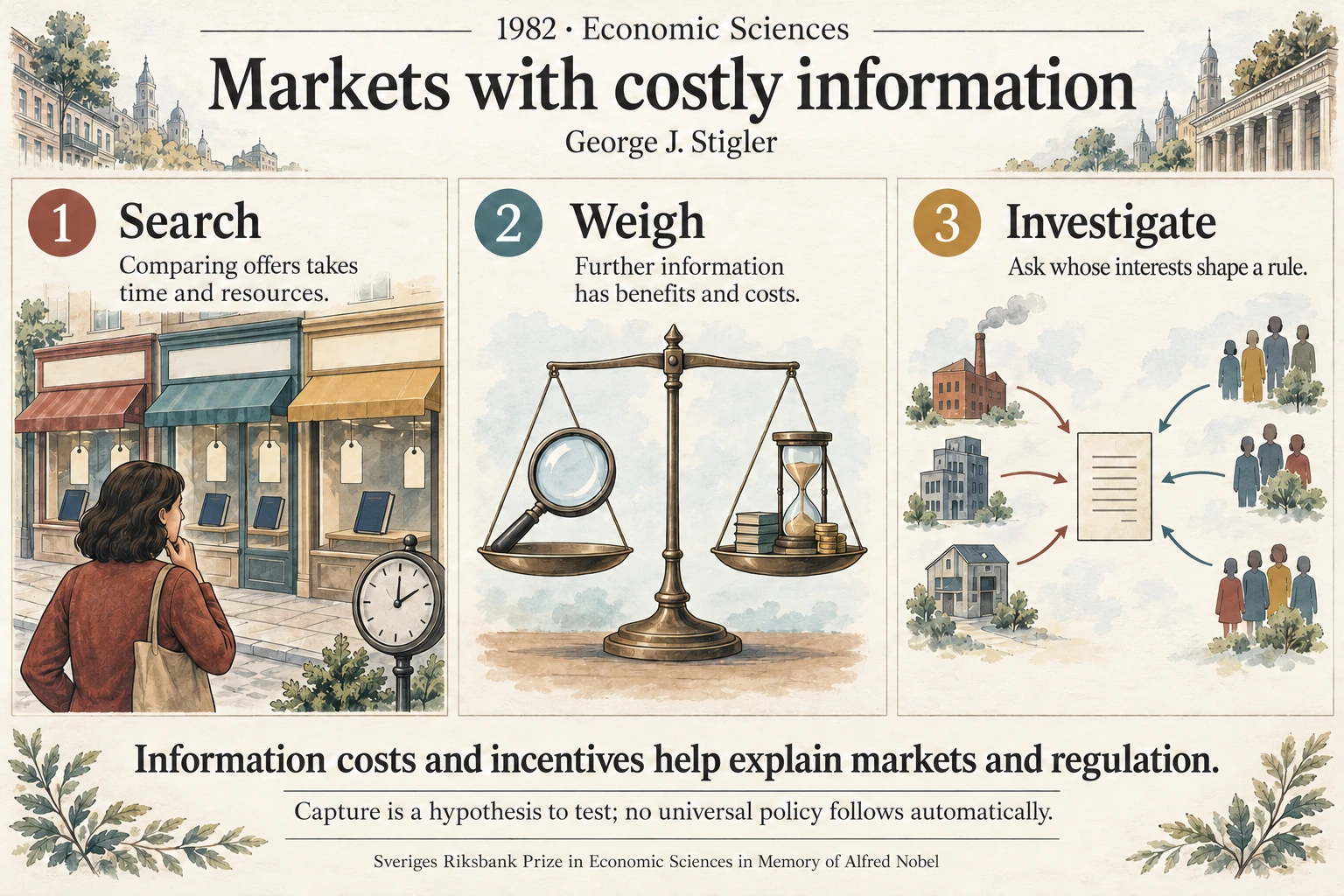
Infographic explaining Markets with costly information
Original AI-generated infographic. A conceptual overview; the explanations and sources below provide context.
Read the poster text

Information costs and incentives help explain markets and regulation.

  1. Search

    Comparing offers takes time and resources.

  2. Weigh

    Further information has benefits and costs.

  3. Investigate

    Ask whose interests shape a rule.

Capture is a hypothesis to test; no universal policy follows automatically.

01 · The discovery

The idea, in everyday language

Perfect information is a convenient assumption, but a buyer usually must spend time or resources to compare offers. Stigler treated that search as an economic activity. An additional enquiry may uncover a better price, yet its expected benefit can be smaller than its cost. Price dispersion can therefore persist even when participants respond to incentives.

Industrial organisation asks how firm size, concentration and the ability to monitor competitors affect market behaviour. Regulation introduces another question: who seeks a rule, what can they obtain from it and who bears its costs? Stigler investigated the possibility that organised producer interests influence rules intended to serve the public, making regulation itself part of the economic explanation.

Why it matters

The work made apparently awkward facts—different prices, slow adjustment and unintended regulatory effects—subjects for theoretical and empirical study. His survivor approach examined which firm-size classes persisted rather than assuming production-cost data alone revealed an optimum. The broader legacy is a set of questions about evidence, incentives and institutional design.
02 · The people

Who brought the idea to life?

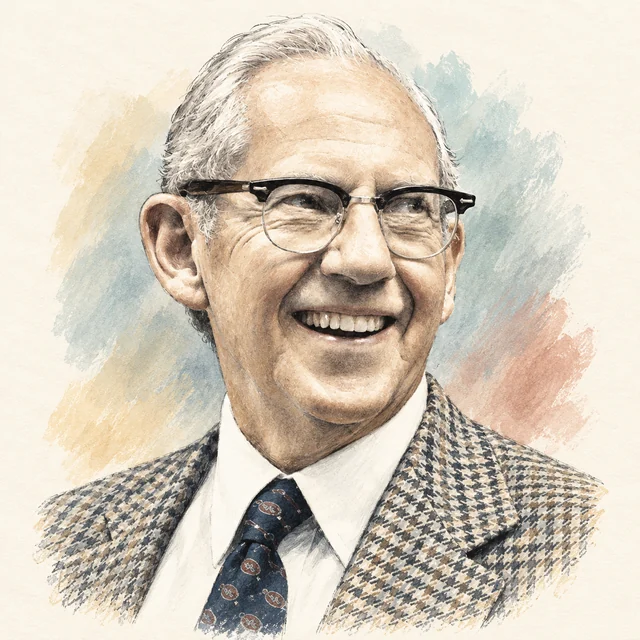
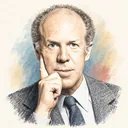
Illustrated portrait of George J. Stigler

George J. Stigler

Prize share · 1/1

Stigler explained market behaviour by studying information costs, industrial structure and incentives surrounding regulation. His questions brought observed price differences and the political origins of rules into economic analysis. He received the full Sveriges Riksbank memorial prize. Regulatory capture is an explanation to investigate, not proof that every rule necessarily benefits producers or that all regulation should be removed.

Read the biography ↗

03 · Years in the making

The path here

  1. 1938

    Stigler completes his Chicago doctorate.

  2. 1958

    He returns to Chicago after posts at other universities.

  3. 1961

    The Economics of Information treats price search as costly.

  4. 1960s–1970s

    Work on industries and regulation connects incentives with institutions.

  5. 1982

    The memorial prize recognises his studies of markets and regulation.

04 · Read further

From the original sources

Original explanations by Curionode, based on the official records below. Biographical details and affiliations refer to the award year.

  1. Official announcement nobelprize.org
  2. Stigler: The Economics of Information (1961) home.uchicago.edu
  3. Stigler: A Theory of Oligopoly (1964) home.uchicago.edu

More in Economic Sciences

Browse this subject ↗