c.curionodeThe Nobel Archive

1988 · Chemistry

Map a photosynthetic reaction centre

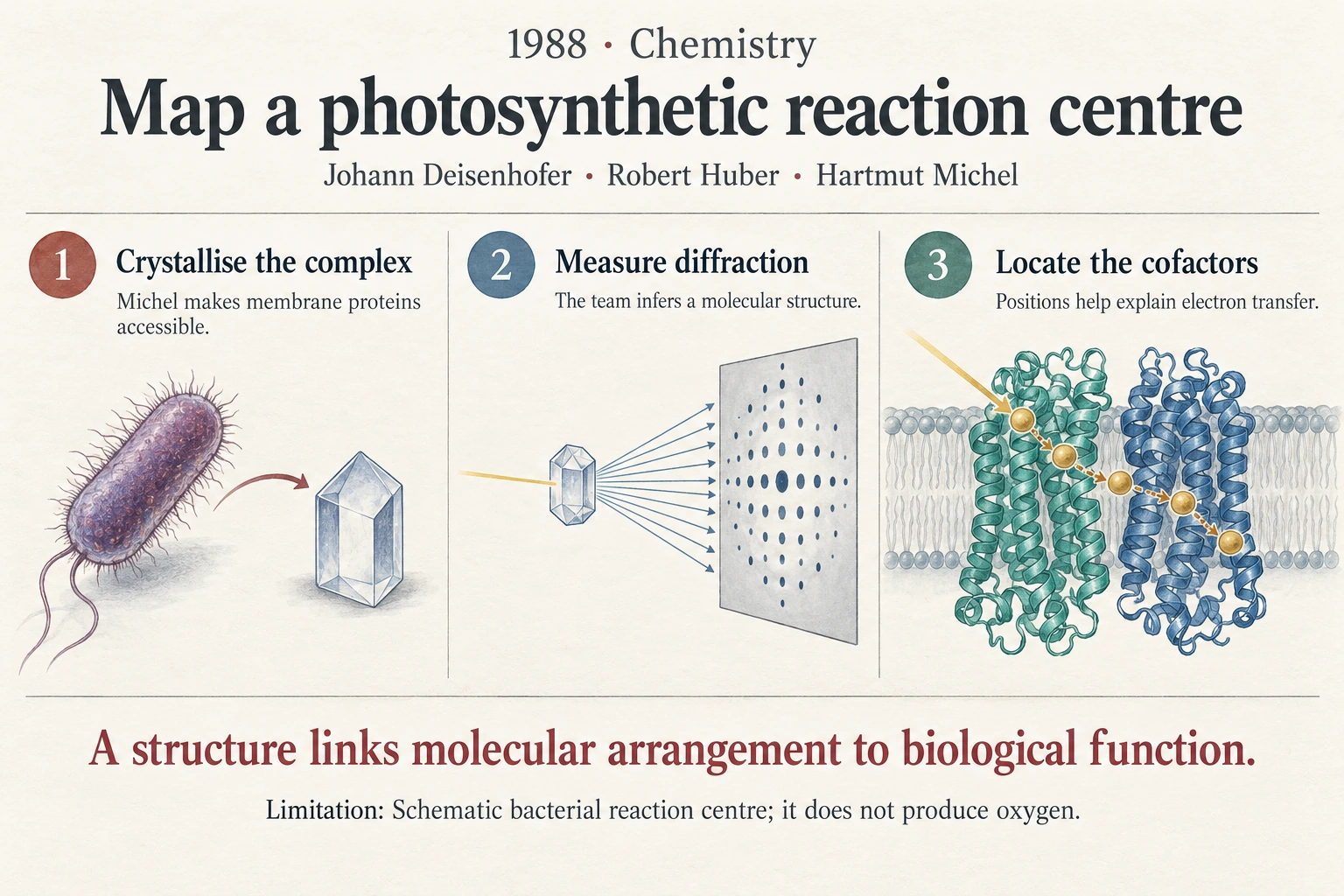
Deisenhofer, Huber and Michel resolved how a bacterial membrane complex arranges its light-active components.

reaction centremembrane proteinX-ray crystallographyphotosynthesis
1988Chemistry

Visual guide

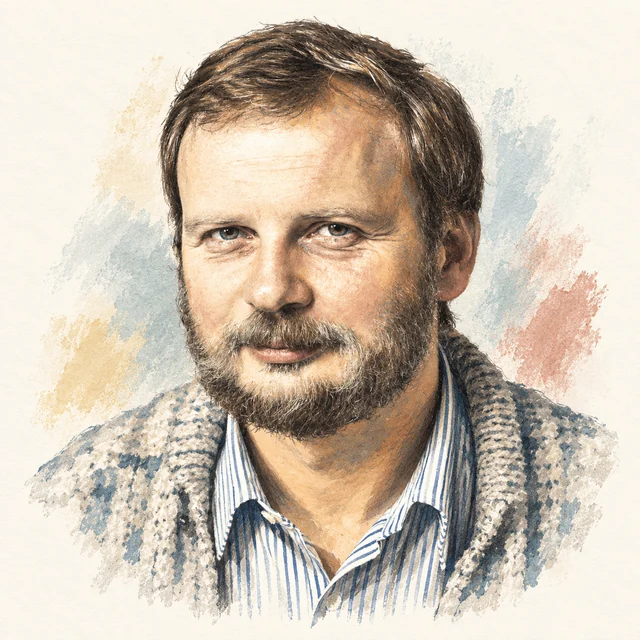
The prize, pictured

Infographic explaining Map a photosynthetic reaction centre
Original AI-generated infographic. A conceptual overview; the explanations and sources below provide context.
Read the poster text

A structure links molecular arrangement to biological function.

  1. Crystallise the complex

    Michel makes membrane proteins accessible.

  2. Measure diffraction

    The team infers a molecular structure.

  3. Locate the cofactors

    Positions help explain electron transfer.

Schematic bacterial reaction centre; it does not produce oxygen.

01 · The discovery

The idea, in everyday language

A photosynthetic reaction centre begins conversion of absorbed light into separated charge. Its protein scaffold holds pigments and other cofactors in a particular arrangement. Membrane proteins were difficult to isolate and crystallise, making their structures hard to determine. Michel obtained useful crystals of a purple bacterium’s reaction centre in 1981 and reported them in 1982.

Deisenhofer, Huber, Michel and colleagues, including Miki and Epp, collected X-ray diffraction data and built a three-dimensional molecular model. Their detailed structure paper appeared in 1985. It showed membrane-spanning protein subunits and the placement of cofactors, providing a structural basis for interpreting electron transfer. It was a model inferred and refined from diffraction, rather than a direct photograph of molecular motion.

Why it matters

The work made a membrane protein complex accessible at high resolution and connected structural chemistry with biological energy conversion. Methods and collaboration mattered as much as the final model. The three laureates shared the Chemistry Prize equally.
02 · The people

Who brought the idea to life?

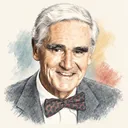
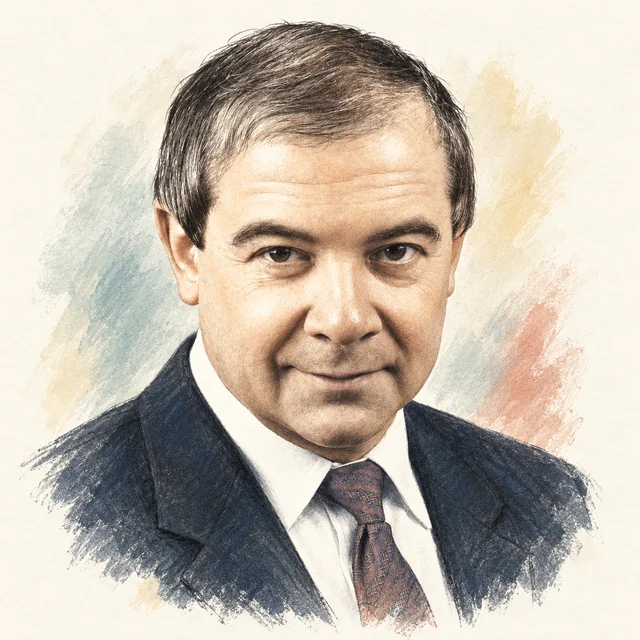
Illustrated portrait of Johann Deisenhofer

Johann Deisenhofer

Prize share · 1/3

Deisenhofer helped turn diffraction measurements into a three-dimensional model of a bacterial photosynthetic reaction centre. Combining data, computation and refinement with Miki, Epp, Huber and Michel revealed the arrangement of protein subunits and light-active cofactors. The major structure paper appeared in 1985. He received one third of the Chemistry Prize.

Read the biography ↗
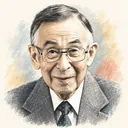
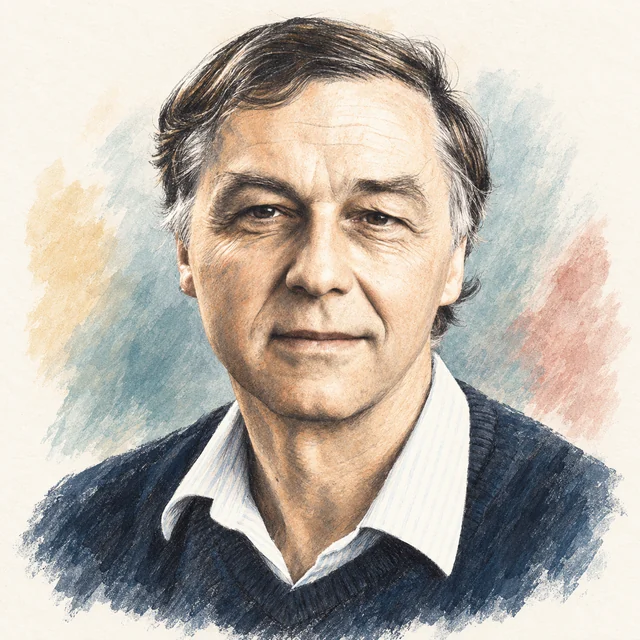
Illustrated portrait of Robert Huber

Robert Huber

Prize share · 1/3

Huber contributed crystallographic methods, structural analysis and a research environment to the bacterial reaction-centre project. Its model made a membrane protein complex accessible at high resolution and related cofactor positions to known electron-transfer functions. The award recognised structural determination, rather than a direct film of electrons moving. Huber received one third of the prize.

Read the biography ↗
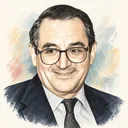
Illustrated portrait of Hartmut Michel

Hartmut Michel

Prize share · 1/3

Michel isolated and crystallised the photosynthetic reaction centre from the purple bacterium historically called Rhodopseudomonas viridis. Useful crystals obtained in 1981, described in a 1982 paper, enabled X-ray structure determination. This reaction centre is distinct from bacteriorhodopsin and from a plant chloroplast. Michel received one third of the prize for the joint structural achievement.

Read the biography ↗

03 · Years in the making

The path here

  1. 1981

    Michel obtains useful crystals of the bacterial reaction centre.

  2. 1982

    Michel publishes the crystallisation work; structural collaboration develops.

  3. 1985

    Deisenhofer, Epp, Miki, Huber and Michel report the detailed structure.

  4. 1988

    Deisenhofer, Huber and Michel share the Chemistry Prize equally.

04 · Read further

From the original sources

Original explanations by Curionode, based on the official records below. Biographical details and affiliations refer to the award year.

  1. Official announcement nobelprize.org
  2. Reaction-centre crystallisation paper (1982) pubmed.ncbi.nlm.nih.gov
  3. Reaction-centre structure paper (1985) pubmed.ncbi.nlm.nih.gov

More in Chemistry

Browse this subject ↗