c.curionodeThe Nobel Archive

2001 · Chemistry

Making molecules with the right handedness

Chiral catalysts help a reaction favour one mirror-image product, a powerful tool for making useful compounds.

chiralityasymmetric catalysishydrogenationoxidation
2001Chemistry

Visual guide

The prize, pictured

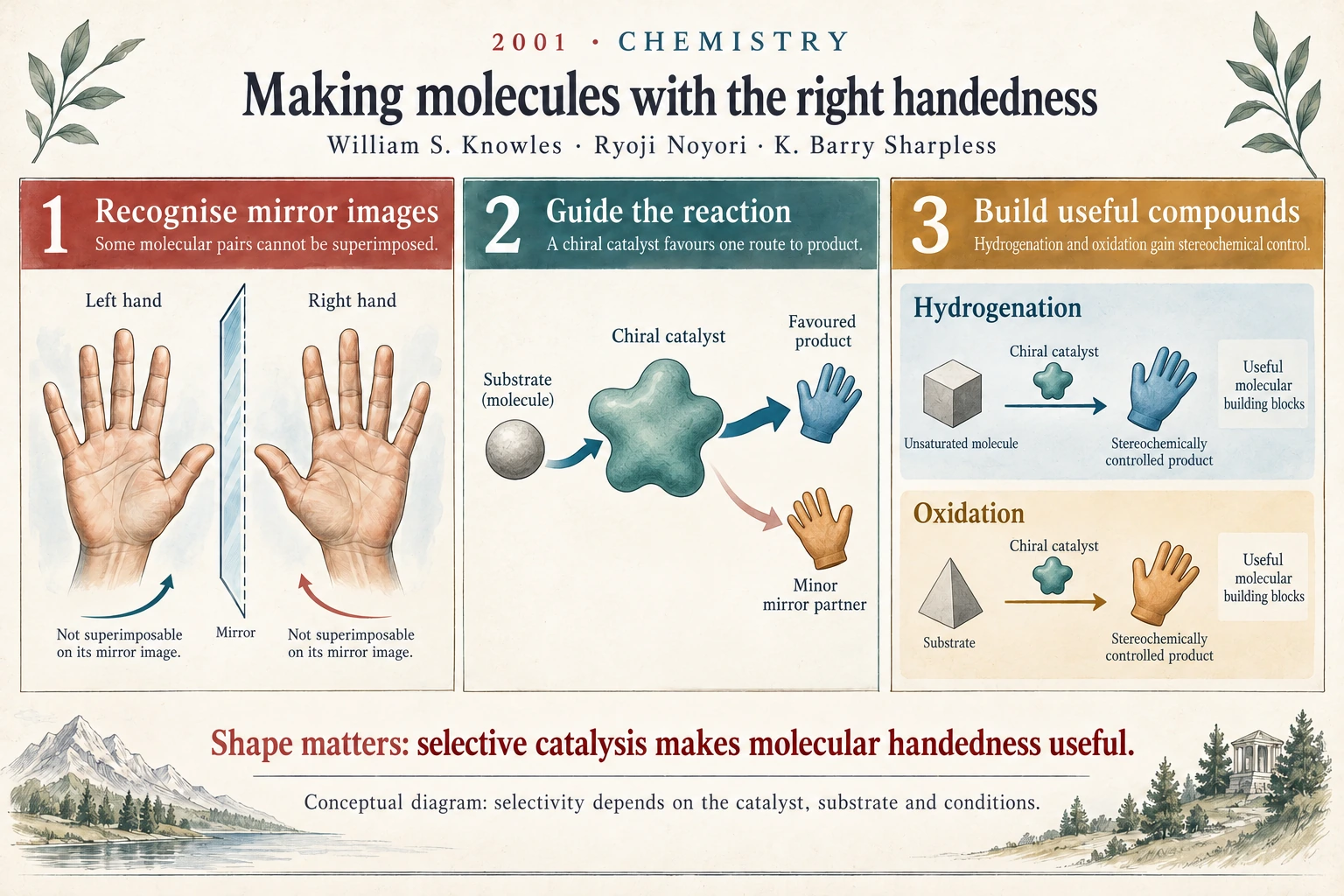
Infographic explaining Making molecules with the right handedness
Original AI-generated infographic. A conceptual overview; the explanations and sources below provide context.
Read the poster text

Shape matters: selective catalysis makes molecular handedness useful.

  1. Recognise mirror images

    Some molecular pairs cannot be superimposed.

  2. Guide the reaction

    A chiral catalyst favours one route to product.

  3. Build useful compounds

    Hydrogenation and oxidation gain stereochemical control.

Conceptual diagram: selectivity depends on the catalyst, substrate and conditions.

01 · The discovery

The idea, in everyday language

Some molecules come in two forms that are mirror images but cannot be superimposed, like left and right hands. These enantiomers can interact differently with other chiral molecules, including those in living systems. A synthesis that makes both forms equally may therefore be less useful than one that strongly favours the desired form.

Knowles and Noyori developed chirally catalysed hydrogenation, using catalysts that favour one product as hydrogen is added. Sharpless developed chirally catalysed oxidation, including highly useful asymmetric epoxidation. The three-dimensional environment of a chiral catalyst makes competing pathways differ, allowing a small amount of catalyst to guide the formation of many product molecules.

Why it matters

Asymmetric catalysis gave chemists more efficient routes to compounds with controlled stereochemistry. Knowles’s work enabled industrial production of L-DOPA, while the broader methods became valuable in pharmaceutical and fine-chemical synthesis. More selective reactions can reduce unwanted products and simplify purification, although each process still needs its own testing and optimisation.
02 · The people

Who brought the idea to life?

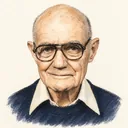
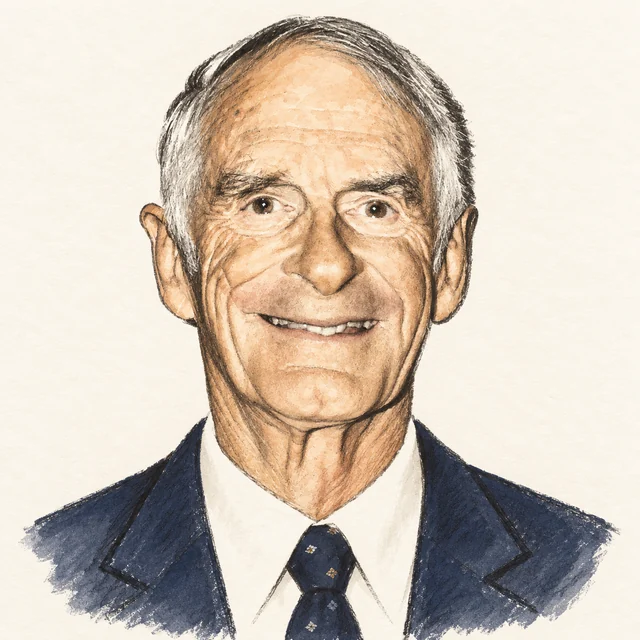
Illustrated portrait of William S. Knowles

William S. Knowles

Prize share · 1/4

Knowles showed that a metal catalyst equipped with chiral ligands could favour one mirror-image product during hydrogenation. His early results demonstrated the principle; later catalysts achieved much stronger selectivity and enabled an industrial route to L-DOPA, a medicine used in treating Parkinson’s disease. The catalyst directs how a new product forms, rather than merely separating two forms after an unselective reaction.

Read the biography ↗
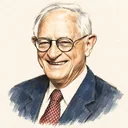
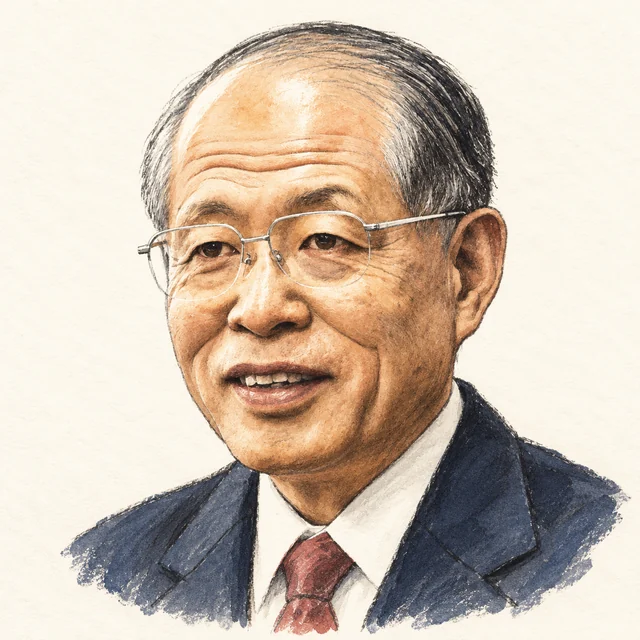
Illustrated portrait of Ryoji Noyori

Ryoji Noyori

Prize share · 1/4

Noyori and collaborators developed powerful chiral catalysts, including systems based on the BINAP ligand, that broadened the usefulness of asymmetric hydrogenation. The catalyst’s three-dimensional environment makes competing reaction pathways unequal, so one product can be favoured. These methods helped chemists prepare valuable compounds with controlled stereochemistry. The quarter share of the 2001 prize recognised his hydrogenation work alongside Knowles’s independent contributions.

Read the biography ↗
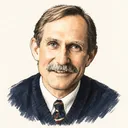
Illustrated portrait of K. Barry Sharpless

K. Barry Sharpless

Prize share · 1/2

Sharpless developed catalytic oxidation methods that favour one mirror-image product. A major example is asymmetric epoxidation of allylic alcohols, reported in 1980 with collaborators: a chiral catalyst system controls which side of a double bond is approached as oxygen is added. Such reactions supplied useful chiral building blocks for synthesis. His half share of the 2001 prize concerns oxidation, separate from the hydrogenation work of Knowles and Noyori.

Read the biography ↗

03 · Years in the making

The path here

  1. 1968

    Knowles demonstrated early asymmetric hydrogenation using chiral metal catalysts.

  2. 1980

    Noyori’s group introduced BINAP; Sharpless and collaborators reported asymmetric epoxidation.

  3. 2001

    The prize recognised chiral catalysis in hydrogenation and oxidation.

04 · Read further

From the original sources

Original explanations by Curionode, based on the official records below. Biographical details and affiliations refer to the award year.

  1. Official announcement nobelprize.org
  2. Popular science background nobelprize.org

More in Chemistry

Browse this subject ↗