A life in context
The person behind the prize
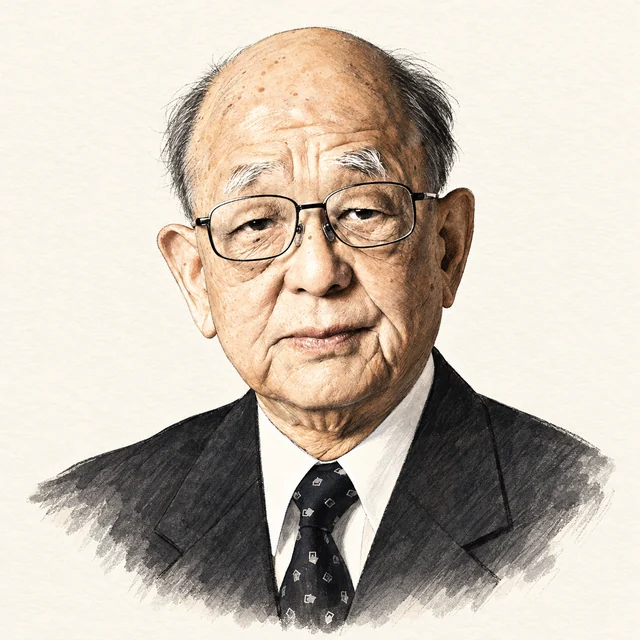
Suzuki grew up in Hokkaido and completed his doctorate at Hokkaido University in 1959. Research with Herbert Brown at Purdue introduced him to developments in boron chemistry. He returned to Hokkaido and investigated how organoboron compounds could be used in synthesis. His work connected fundamental studies of reagents with a practical need to assemble useful molecules reliably.
The contribution
In 1979 Suzuki and collaborators developed palladium-catalysed coupling using organoboron partners. These building blocks made a versatile addition to synthetic chemistry and helped the Suzuki reaction become widely used in research and manufacturing. Its usefulness depends on the particular substrates and reaction system; it does not make every synthesis harmless, effortless or waste-free.
The idea in plain language
Many useful molecules have a skeleton of carbon atoms. Building a complicated one often means joining smaller fragments at chosen positions while leaving other features intact. A reaction that attacks everything indiscriminately can destroy the structure you are trying to make. Heck, Negishi and Suzuki developed powerful ways to form carbon–carbon bonds with the help of palladium catalysts.
Read the full award story ↗