A life in context
The person behind the prize
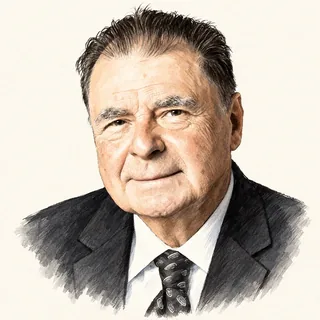
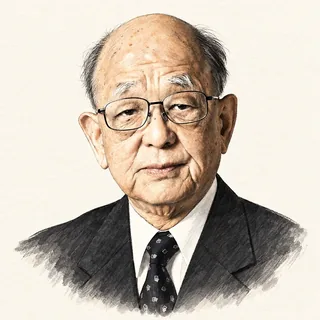
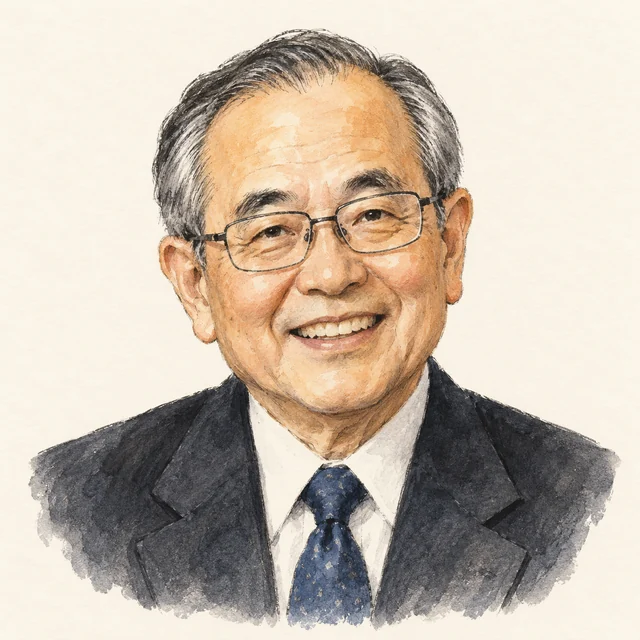
Negishi was born in Changchun and studied at the University of Tokyo before earning his doctorate at the University of Pennsylvania in 1963. His career included industrial research and university work in the United States. At Purdue he developed organometallic methods for constructing complex molecules. He pursued reactions that could join chosen fragments while tolerating other parts of the molecule.
The contribution
In 1977 Negishi developed a particularly useful cross-coupling approach using an organozinc partner. The zinc-containing reagent can transfer a carbon fragment into a palladium-catalysed reaction, allowing a new carbon–carbon bond to form. The method expanded the chemist’s choice of building blocks and became important in the synthesis of intricate natural products.
The idea in plain language
Many useful molecules have a skeleton of carbon atoms. Building a complicated one often means joining smaller fragments at chosen positions while leaving other features intact. A reaction that attacks everything indiscriminately can destroy the structure you are trying to make. Heck, Negishi and Suzuki developed powerful ways to form carbon–carbon bonds with the help of palladium catalysts.
Read the full award story ↗