A life in context
The person behind the prize
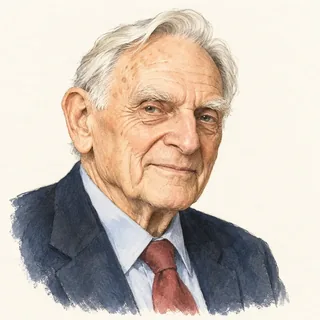
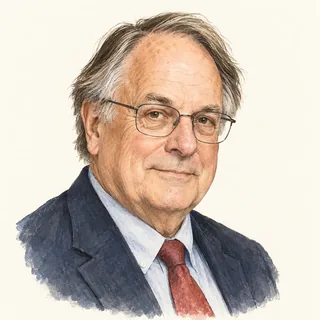
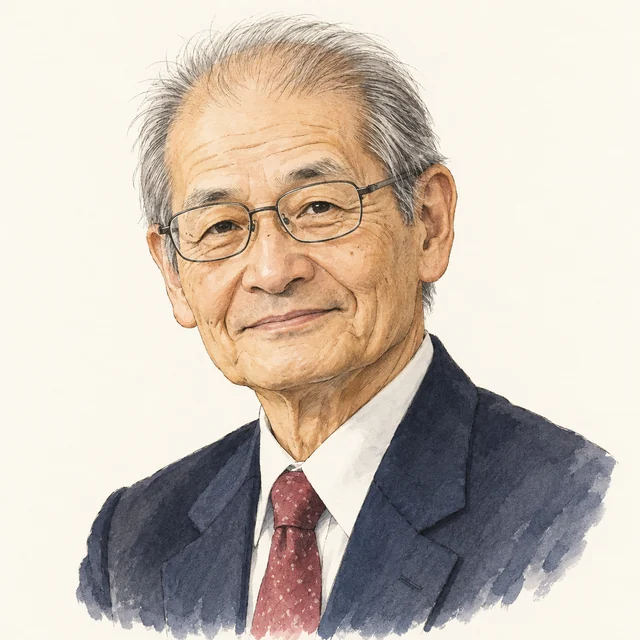
Yoshino studied at Kyoto University and joined the chemical company Asahi Kasei in 1972. His industrial research focused on making promising materials work together in a practical device. He received his doctorate from Osaka University in 2005 and later became a professor at Meijo University. At the award his affiliations linked industrial development with academic research.
The contribution
In 1985, he developed a commercially viable battery combining a lithium-containing cobalt-oxide positive electrode with a petroleum-coke negative electrode. Hosting lithium ions in carbon removed the need for the earlier reactive metallic-lithium electrode.
The idea in plain language
A battery stores energy through the different chemical conditions at its two electrodes. During discharge, lithium ions move through the electrolyte inside a lithium-ion battery, while electrons travel through the outside circuit and power a device. Charging supplies energy to reverse the transfer. The key is finding electrode materials that can repeatedly accept and release lithium ions.
Read the full award story ↗