A life in context
The person behind the prize
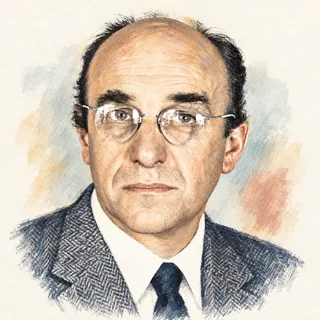
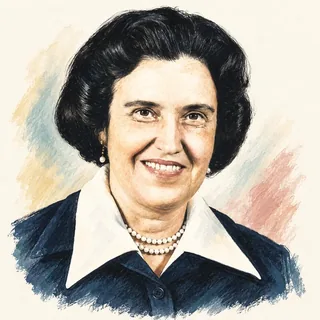
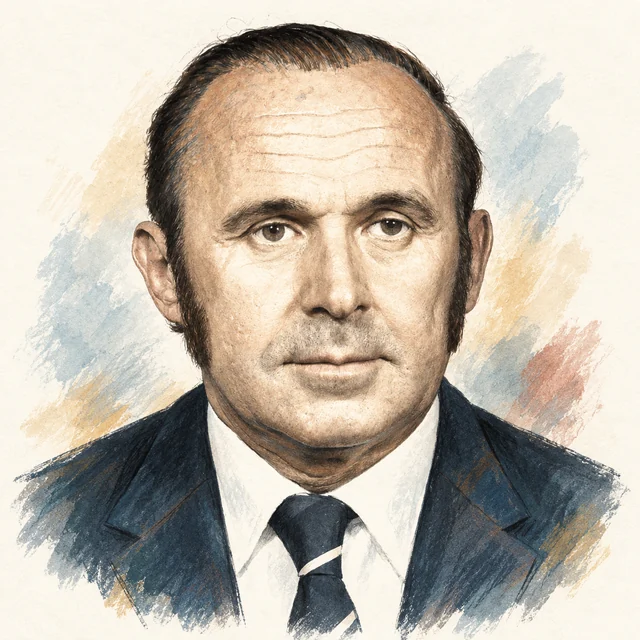
Schally survived wartime displacement in Eastern Europe and moved to Britain in 1945. Research training at London’s National Institute for Medical Research introduced him to systematic laboratory work. He moved to Montreal in 1952 and completed his McGill doctorate in 1957, then worked with Guillemin at Baylor. In 1962 he established a Veterans Administration laboratory in New Orleans and a connection with Tulane. Persistent extraction, purification, biological testing and chemical analysis by his team led to the identification of TRH in 1969 and the reproductive releasing hormone LH-RH, also called GnRH, in 1971. He explicitly credited chemists, physiologists and clinical collaborators. Later hormone-analogue therapies developed after these discoveries; the 1977 award did not itself demonstrate that every proposed treatment was effective.
The contribution
Schally’s team isolated and established structures of hypothalamic releasing hormones, helping turn a proposed brain–pituitary link into identified chemical signals. He received one quarter of the Medicine Prize.
The idea in plain language
Guillemin’s and Schally’s teams purified hypothalamic extracts, tested their effects on pituitary tissue and established chemical structures. Identification of TRH in 1969 and LH-RH, now also called GnRH, in 1971 helped turn the proposed brain–pituitary link into specific molecules. Synthesis and biological tests checked the identifications. The hypothalamus is a brain region, not the brainstem; peptide signals can promote or inhibit particular pituitary functions.
Read the full award story ↗