c.curionodeThe Nobel Archive

1977 · Physiology or Medicine

Find the signals, measure the traces

Peptide hormones can act at concentrations too small for older tests. Guillemin and Schally identified signals from the hypothalamus, while Yalow developed a separate method to measure tiny hormone amounts.

HormonesMeasurementBrain–body signalling
1977Physiology or Medicine

Visual guide

The prize, pictured

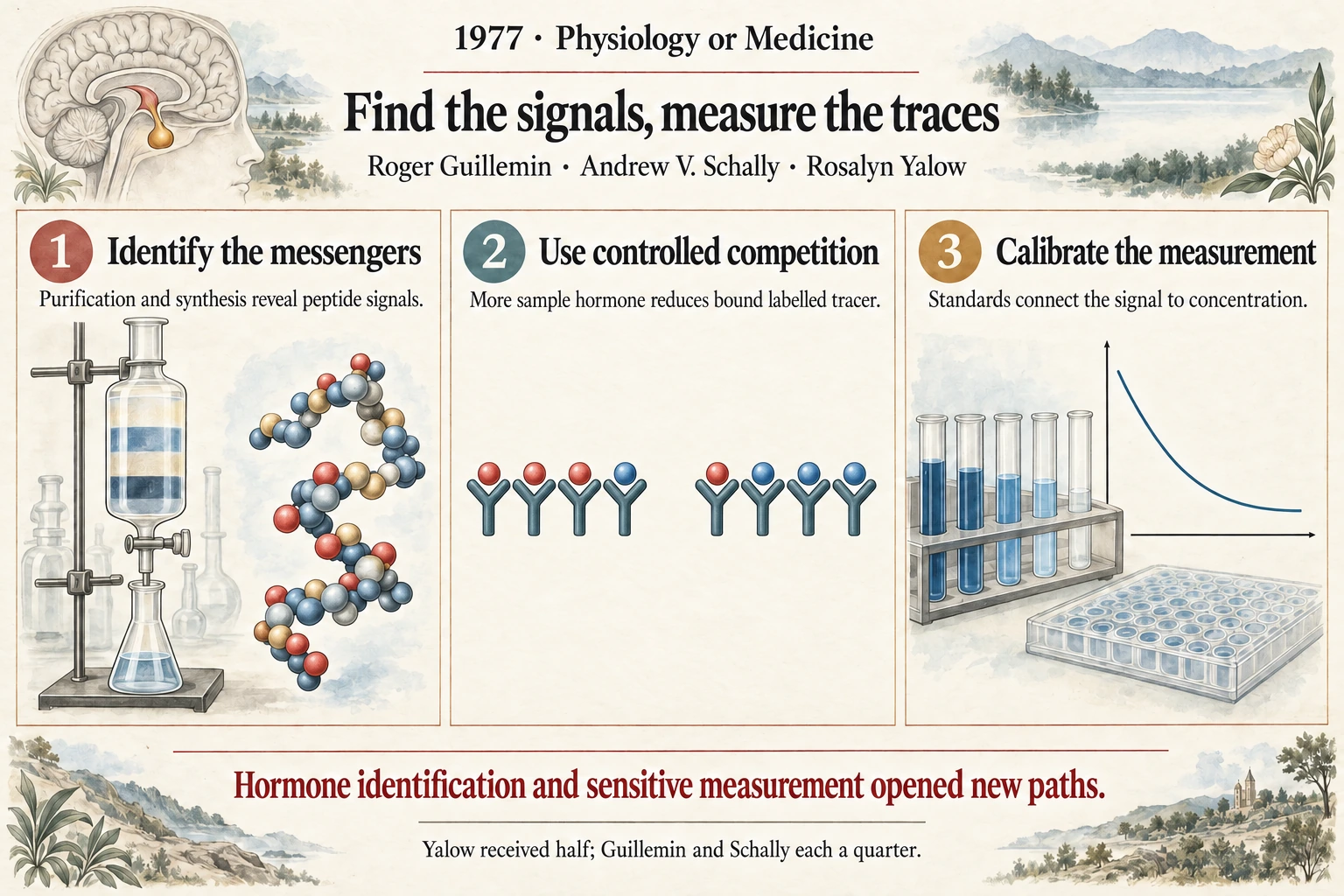
Infographic explaining Find the signals, measure the traces
Original AI-generated infographic. A conceptual overview; the explanations and sources below provide context.
Read the poster text

Hormone identification and sensitive measurement opened new paths.

  1. Identify the messengers

    Purification and synthesis reveal peptide signals.

  2. Use controlled competition

    More sample hormone reduces bound labelled tracer.

  3. Calibrate the measurement

    Standards connect the signal to concentration.

Yalow received half; Guillemin and Schally each a quarter.

01 · The discovery

The idea, in everyday language

Guillemin’s and Schally’s teams purified hypothalamic extracts, tested their effects on pituitary tissue and established chemical structures. Identification of TRH in 1969 and LH-RH, now also called GnRH, in 1971 helped turn the proposed brain–pituitary link into specific molecules. Synthesis and biological tests checked the identifications. The hypothalamus is a brain region, not the brainstem; peptide signals can promote or inhibit particular pituitary functions.

Yalow and Berson developed competitive radioimmunoassay. A fixed amount of radioactively labelled hormone and an unknown sample compete for antibody binding. More unlabelled hormone generally means a smaller fraction of labelled hormone remains antibody-bound. Bound and free material are separated, and comparison with calibrated standards yields the sample concentration. This laboratory measurement is distinct from the teams’ hormone-identification work. Yalow received half the prize; Guillemin and Schally received a quarter each. Berson’s essential collaboration is credited, although he died before the award.

Why it matters

The discoveries strengthened quantitative endocrinology and understanding of communication between brain and endocrine glands. Radioimmunoassay enabled hormone research in much smaller samples; identified releasing hormones supported later diagnostic and therapeutic work. A test result alone does not establish the cause of every endocrine disorder.
02 · The people

Who brought the idea to life?

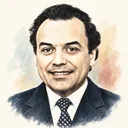
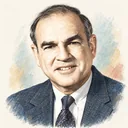
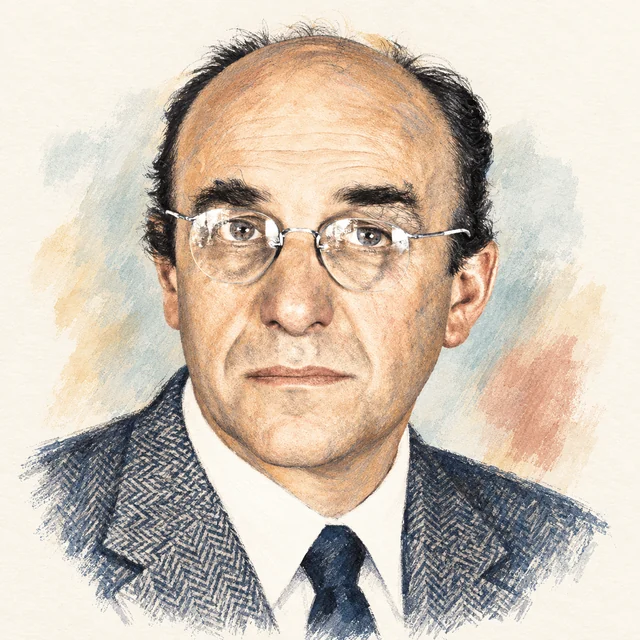
Illustrated portrait of Roger Guillemin

Roger Guillemin

Prize share · 1/4

Guillemin helped isolate and identify peptide signals by which the hypothalamus regulates the pituitary. He received one quarter of the Medicine Prize, as did Schally; Yalow received one half for radioimmunoassay.

Read the biography ↗
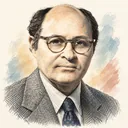
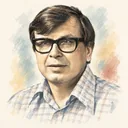
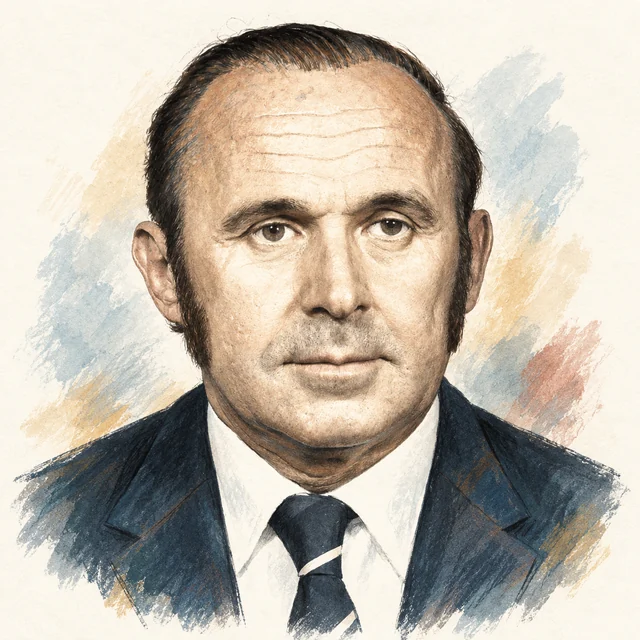
Illustrated portrait of Andrew V. Schally

Andrew V. Schally

Prize share · 1/4

Schally’s team isolated and established structures of hypothalamic releasing hormones, helping turn a proposed brain–pituitary link into identified chemical signals. He received one quarter of the Medicine Prize.

Read the biography ↗
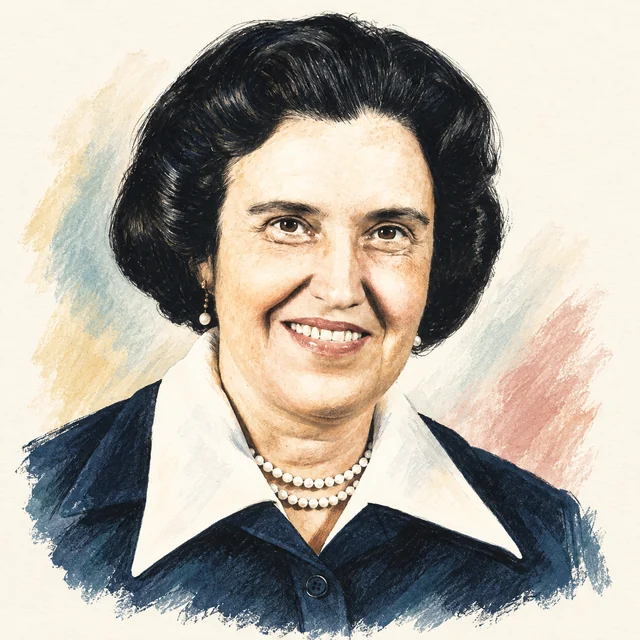
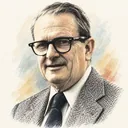
Illustrated portrait of Rosalyn Yalow

Rosalyn Yalow

Prize share · 1/2

Yalow developed radioimmunoassays of peptide hormones with Berson, making very small concentrations measurable through controlled competition and calibration. She received one half of the Medicine Prize; the other half recognised separate discoveries by Guillemin and Schally.

Read the biography ↗

03 · Years in the making

The path here

  1. 1950

    Yalow and Berson begin their research partnership at the Bronx VA Hospital.

  2. 1959

    A practical insulin radioimmunoassay emerges.

  3. 1969

    The two hormone-research teams establish TRH structures.

  4. 1971

    LH-RH is isolated, identified and synthesised.

  5. 1973

    Guillemin’s group identifies somatostatin, a pituitary-inhibiting peptide.

  6. 1977

    Yalow receives one half; Guillemin and Schally each receive one quarter.

04 · Read further

From the original sources

Original explanations by Curionode, based on the official records below. Biographical details and affiliations refer to the award year.

  1. Official announcement nobelprize.org

More in Physiology or Medicine

Browse this subject ↗