A life in context
The person behind the prize
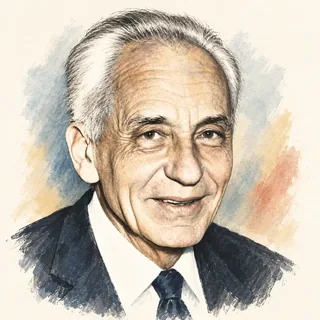
Benacerraf spent much of his childhood in Paris before his family returned to Venezuela as war approached. He studied at Columbia and the Medical College of Virginia, overcoming discriminatory barriers to medical admission, and served as an Army physician. Research with Elvin Kabat began in 1948, followed by work in Paris and a return to New York University in 1956. Experiments showed that animals could inherit different capacities to respond to particular simple antigens. He identified immune-response genes and pursued their connection with the major histocompatibility complex. He moved to the National Institutes of Health in 1968 and Harvard in 1970. His work depended on many students and collaborators, including William Paul and Ira Green.
The contribution
Benacerraf established genetic control of responses to particular antigens and helped connect immune-response genes with the MHC. He shared the Medicine Prize in equal thirds with Dausset and Snell. A response to one experimental antigen does not measure a person’s overall immune strength.
The idea in plain language
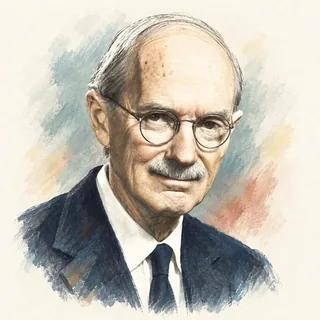
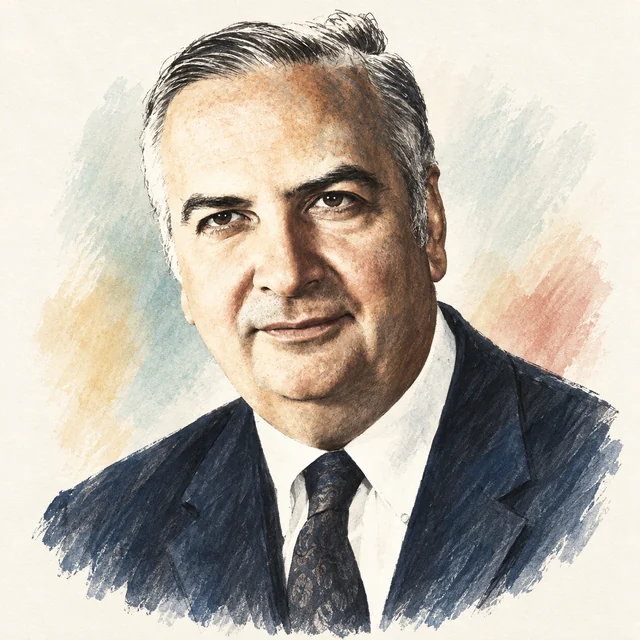
Snell used carefully bred mouse strains and transplantation experiments to identify histocompatibility genes, particularly the H-2 complex. Dausset investigated differences on human white blood cells and helped establish the HLA system. These were related discoveries in different experimental settings, linking inherited cell-surface structures with tissue compatibility.
Read the full award story ↗