c.curionodeThe Nobel Archive

1980 · Physiology or Medicine

Inherited signals shape immunity

Why can tissue from one individual provoke a powerful response in another? Mouse genetics, human blood-cell studies and immune-response experiments connected inherited differences with immune recognition.

HistocompatibilityHLA and H-2Immune-response genes
1980Physiology or Medicine

Visual guide

The prize, pictured

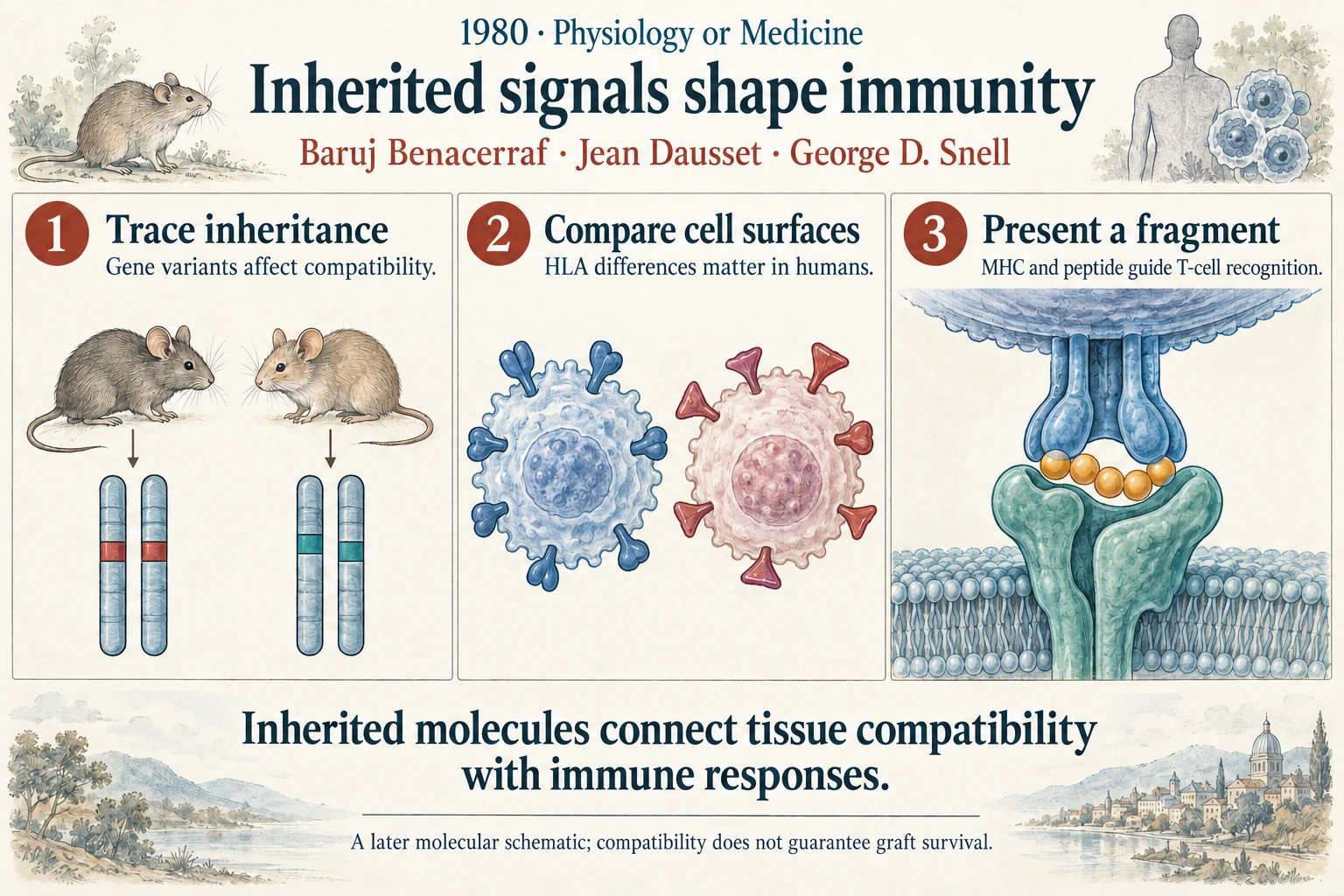
Infographic explaining Inherited signals shape immunity
Original AI-generated infographic. A conceptual overview; the explanations and sources below provide context.
Read the poster text

Inherited molecules connect tissue compatibility with immune responses.

  1. Trace inheritance

    Gene variants affect compatibility.

  2. Compare cell surfaces

    HLA differences matter in humans.

  3. Present a fragment

    MHC and peptide guide T-cell recognition.

A later molecular schematic; compatibility does not guarantee graft survival.

01 · The discovery

The idea, in everyday language

Snell used carefully bred mouse strains and transplantation experiments to identify histocompatibility genes, particularly the H-2 complex. Dausset investigated differences on human white blood cells and helped establish the HLA system. These were related discoveries in different experimental settings, linking inherited cell-surface structures with tissue compatibility.

Benacerraf showed that responses to particular simple antigens could also be inherited, and helped connect immune-response genes with the same genetic region. A later molecular account explains much of this connection: MHC proteins display short peptide fragments for recognition by T cells. Which peptides can be displayed, and how their complexes are recognized, depend partly on inherited molecular variants.

Why it matters

The work helped explain transplantation rejection and the genetic organization of immune responses. It supported tissue typing and opened research into immune recognition and disease associations. Benacerraf, Dausset and Snell received equal thirds. Their discoveries built on donors, laboratory staff, animal breeding and many collaborations; later peptide-presentation research supplied additional molecular detail.
02 · The people

Who brought the idea to life?

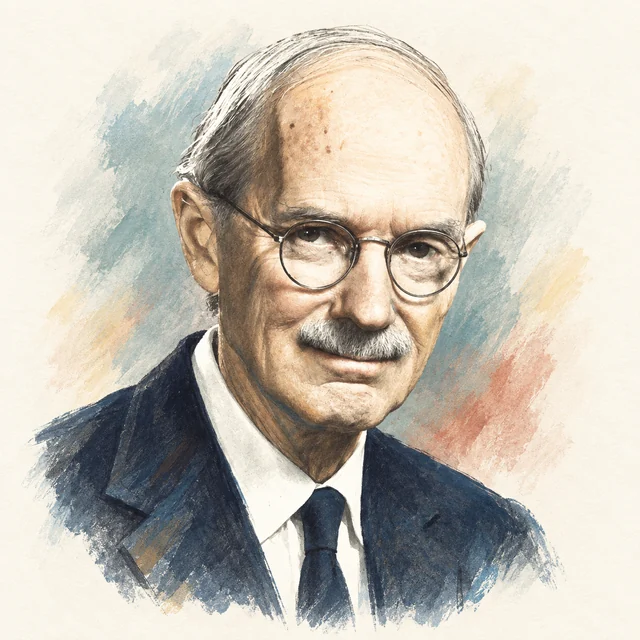
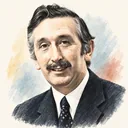
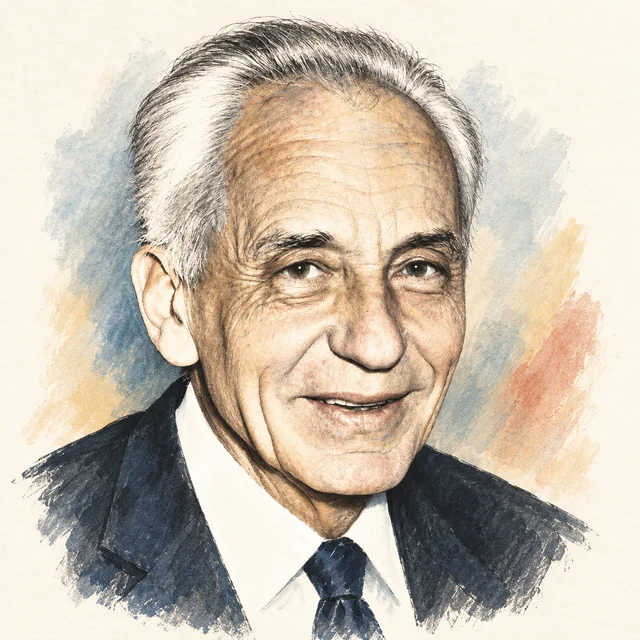
Illustrated portrait of Baruj Benacerraf

Baruj Benacerraf

Prize share · 1/3

Benacerraf established genetic control of responses to particular antigens and helped connect immune-response genes with the MHC. He shared the Medicine Prize in equal thirds with Dausset and Snell. A response to one experimental antigen does not measure a person’s overall immune strength.

Read the biography ↗
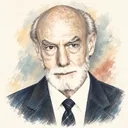
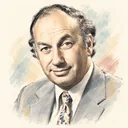
Illustrated portrait of Jean Dausset

Jean Dausset

Prize share · 1/3

Dausset identified human leukocyte antigens and helped establish the HLA tissue-compatibility system. He received one third of the Medicine Prize. These inherited molecular differences are relevant to transplantation and immune recognition, while HLA matching alone cannot guarantee graft survival.

Read the biography ↗
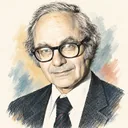
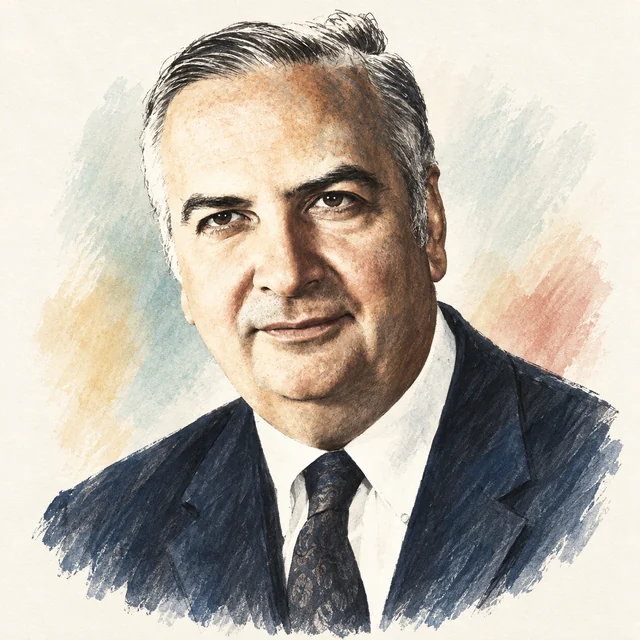
Illustrated portrait of George D. Snell

George D. Snell

Prize share · 1/3

Snell established genetic foundations of tissue compatibility in mice, particularly the H-2 complex. He received one third of the Medicine Prize. The mouse system helped illuminate transplantation biology but cannot be treated as an exact clinical rule for every human transplant.

Read the biography ↗

03 · Years in the making

The path here

  1. 1935

    Snell joins the Jackson Laboratory.

  2. 1952

    Dausset observes white-cell and platelet agglutination.

  3. 1958

    Dausset describes MAC, later known as HLA-A2.

  4. 1960s

    Benacerraf establishes genetic differences in responses to simple antigens.

  5. 1970

    Benacerraf moves to Harvard Medical School.

  6. 1980

    Three complementary routes into immunogenetics share the Medicine Prize.

04 · Read further

From the original sources

Original explanations by Curionode, based on the official records below. Biographical details and affiliations refer to the award year.

  1. Official announcement nobelprize.org
  2. Janeway and colleagues: MHC function and recognition (2001) ncbi.nlm.nih.gov

More in Physiology or Medicine

Browse this subject ↗