A life in context
The person behind the prize
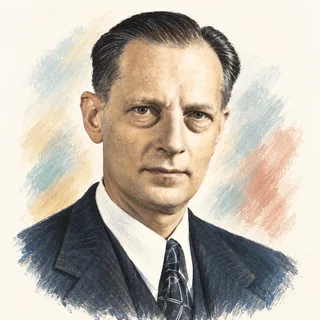
Houssay studied pharmacy and medicine in Buenos Aires, completing pharmacy studies in 1904 and his medical thesis in 1911. He taught physiology at the veterinary school from 1910 and became professor of physiology at the university’s medical school in 1919. His research investigated how endocrine organs regulate metabolism, particularly the relationship between the anterior pituitary and the effects of insulin. He also helped establish experimental physiology as a research discipline in Argentina. After dismissal from his university post by the government in 1943, he continued research at an independent institute supported by private funding. The Instituto de Biología y Medicina Experimental in Buenos Aires was his official affiliation for the 1947 award. He received half of the Medicine Prize for discovering the role of the anterior pituitary hormone in sugar metabolism. His return to the university chair in 1955 came later. These historical studies do not imply that every human case of diabetes has one pituitary cause.
The contribution
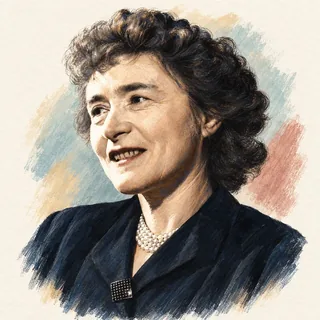
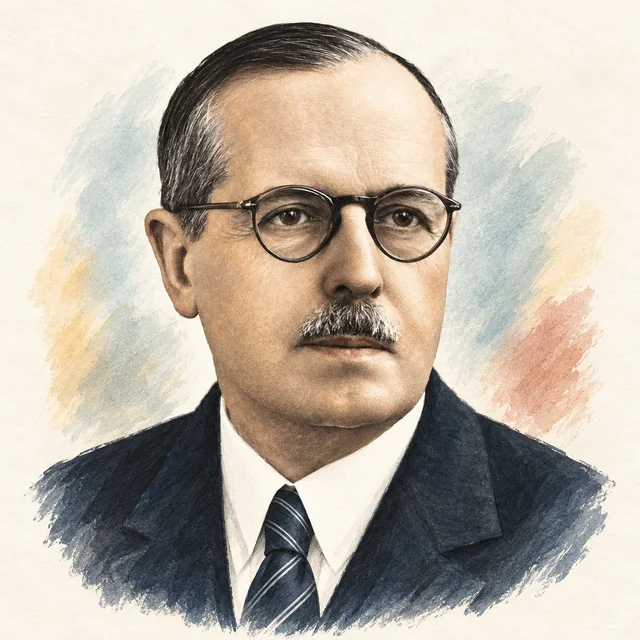
Houssay revealed a role of the anterior pituitary in sugar metabolism and its interaction with insulin’s effects. He received one half of the Medicine Prize, while each Cori received one quarter.
The idea in plain language
Glycogen is a branched storage form of glucose. How can the body mobilise and rebuild carbohydrate stores through controlled chemical reactions? Carl and Gerty Cori investigated the intermediates and enzymes involved in glycogen conversion. Their identification of glucose 1-phosphate in 1936, followed by enzyme studies, made key steps accessible to biochemical investigation.
Read the full award story ↗