A life in context
The person behind the prize
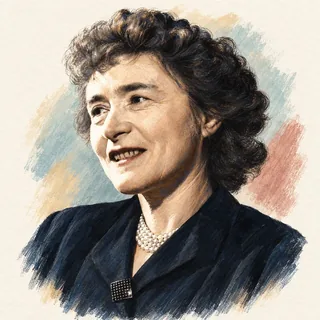
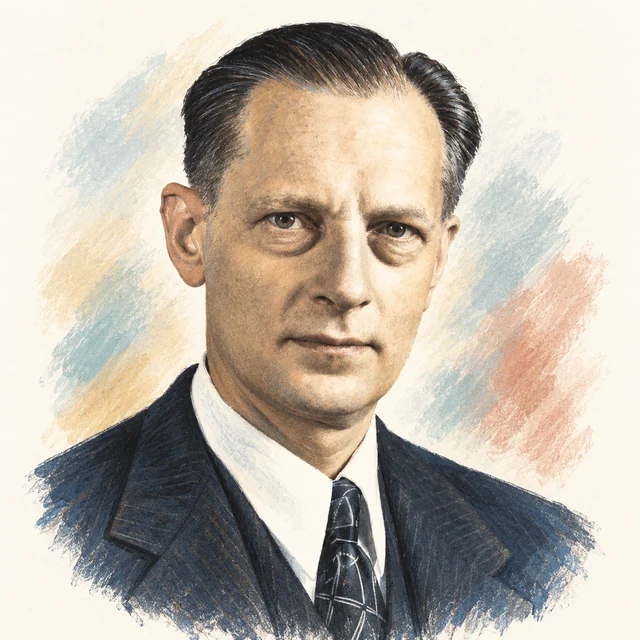
Carl Cori studied medicine in Prague and received his medical degree in 1920, the year he married fellow physician and researcher Gerty Radnitz. They moved to Buffalo in 1922 and became US citizens in 1928. In 1931 Carl became professor of pharmacology at Washington University in St. Louis and later led its biochemistry department. Working with Gerty and other collaborators, he investigated carbohydrate metabolism: the relationship between muscle and liver, the chemical intermediates of glycogen conversion and the enzymes that catalyse individual steps. Their identification of glucose 1-phosphate in 1936 and subsequent enzyme studies made parts of this chemistry experimentally accessible. He received one quarter of the 1947 Medicine Prize, as did Gerty; Bernardo Houssay received the other half. Gerty’s research contribution should not be reduced to assistance within Carl’s career. The Coris’ test-tube studies clarified catalytic reactions without providing a complete account of every route used by living cells to make glycogen.
The contribution
Carl Cori shared the discovery of catalytic glycogen conversion with Gerty Cori. His share was one quarter, distinct from Gerty’s quarter and Houssay’s half.
The idea in plain language
Glycogen is a branched storage form of glucose. How can the body mobilise and rebuild carbohydrate stores through controlled chemical reactions? Carl and Gerty Cori investigated the intermediates and enzymes involved in glycogen conversion. Their identification of glucose 1-phosphate in 1936, followed by enzyme studies, made key steps accessible to biochemical investigation.
Read the full award story ↗