A life in context
The person behind the prize
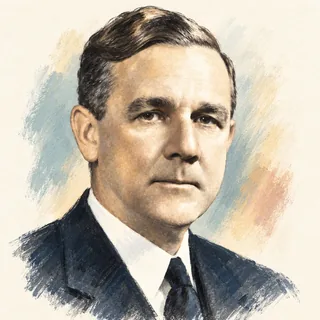
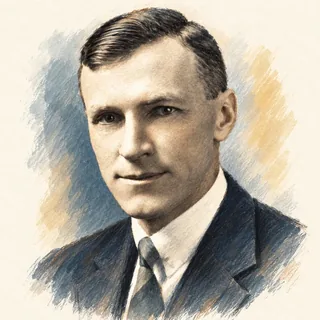
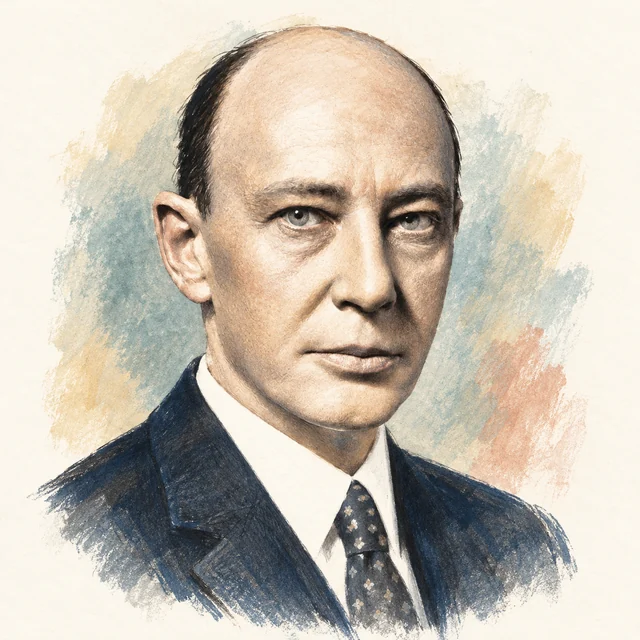
Minot trained at Harvard, receiving his first degree in 1908 and medical degree in 1912, then worked at Massachusetts General and Johns Hopkins. He returned to Harvard in 1915 and developed a sustained interest in blood disorders, nutrition and clinical observation. In 1922 he became physician-in-chief at Harvard’s Huntington Memorial Hospital; in 1928 he became professor and director of the Thorndike Memorial Laboratory. With William Murphy, he investigated whether a liver-rich diet could help people with pernicious anaemia. Their 1926 report described a striking clinical and blood-cell response. Later collaboration with Edwin Cohn helped develop effective liver fractions. Minot, Murphy and Whipple shared the 1934 Medicine Prize equally. They had established effective treatment before the active vitamin was isolated; the award did not recognize the isolation of vitamin B12 itself.
The contribution
Minot received one third of the Medicine Prize for the clinical work with Murphy showing that liver therapy could improve pernicious anaemia. Careful observation of blood-cell recovery helped evaluate the response.
The idea in plain language
Whipple’s laboratory compared foods in dogs with anaemia caused by blood loss. Frieda Robscheit-Robbins helped conduct and sustain that experimental programme. Liver supported blood regeneration particularly well. This was a clue, rather than proof of a treatment for every anaemia: pernicious anaemia in humans had a different cause, and it was often fatal.
Read the full award story ↗