A life in context
The person behind the prize
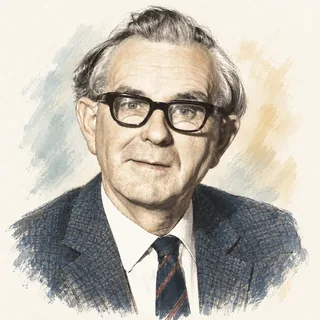
Edelman graduated from Ursinus in 1950 and received a Pennsylvania medical degree in 1954. Hospital work and Army medical service in Paris preceded a Rockefeller graduate fellowship with Henry Kunkel in 1957. He completed a doctorate in 1960 and established his own laboratory, becoming professor in 1966. Breaking disulfide links separated antibody chains and opened a route to their chemical architecture. Further work with colleagues connected chain composition, sequence and the structure of an antibody molecule. These studies complemented Porter’s enzymatic fragmentation and helped establish the heavy- and light-chain model. Edelman later pursued cell adhesion and neuroscience, but the prize recognised antibody chemistry. His later theoretical interests should not be read as achievements validated by this particular award.
The contribution
Edelman separated antibody polypeptide chains and investigated their chemical architecture, contributing to the structural model. He received half the Medicine Prize.
The idea in plain language
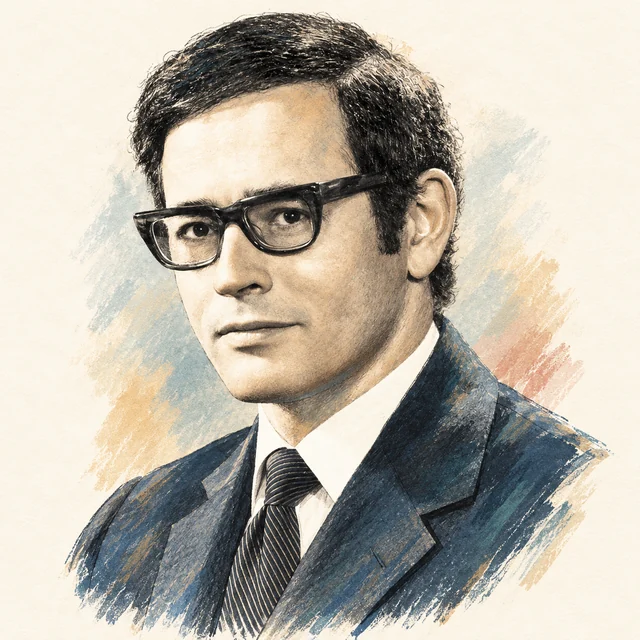
Edelman broke disulfide links and separated polypeptide chains. Porter used the enzyme papain to split a common antibody into three fragments: two retained antigen-binding capacity and one did not. Chain separation and fragment separation answer different questions and should not be treated as identical operations.
Read the full award story ↗