A life in context
The person behind the prize
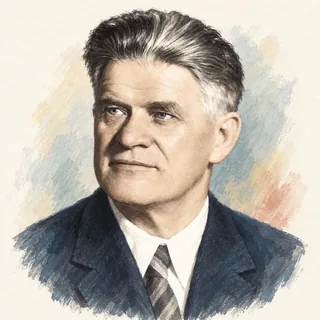
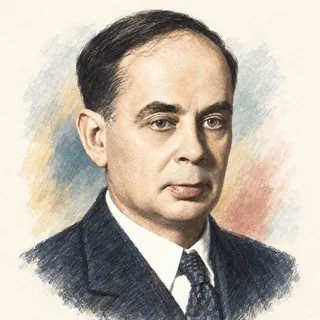
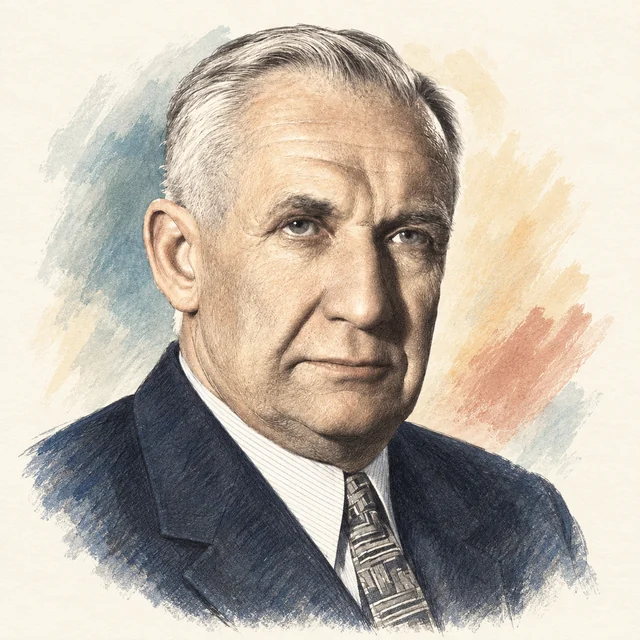
Tamm graduated in physics at Moscow State University in 1918 and began a career in university teaching. His close association with Leonid Mandelstam from 1920 helped shape research in optics, quantum theory and the interaction of particles. From 1934 he headed the theoretical division at the Lebedev Institute. Together with Frank, he developed the 1937 explanation of the light produced when charged particles move faster than light propagates in a material. The theory connected Cherenkov’s observations with a definite physical threshold and an organised radiation pattern. Other work concerned nuclear interactions, cosmic-ray showers and thermonuclear research; these subjects should be distinguished from the contribution recognised in 1958. He became a full member of the Soviet Academy in 1953. He shared the Physics Prize equally with Cherenkov and Frank, recognising the combination of careful observation and theoretical explanation.
The contribution
Tamm and Frank developed the theory explaining the radiation Cherenkov had investigated. Tamm received one third of the Physics Prize.
The idea in plain language
A faint blue glow appeared when radiation passed through liquids. It seemed natural to call it fluorescence, but Cherenkov’s experiments under Vavilov found properties that did not fit that explanation. A systematic account of the light was needed.
Read the full award story ↗