c.curionodeThe Nobel Archive

1958 · Physics

When particles outrun light in a material

Cherenkov’s observations and Frank and Tamm’s theory explained a distinctive radiation from fast charged particles in matter.

Cherenkov radiationLight in matterParticle detection
1958Physics

Visual guide

The prize, pictured

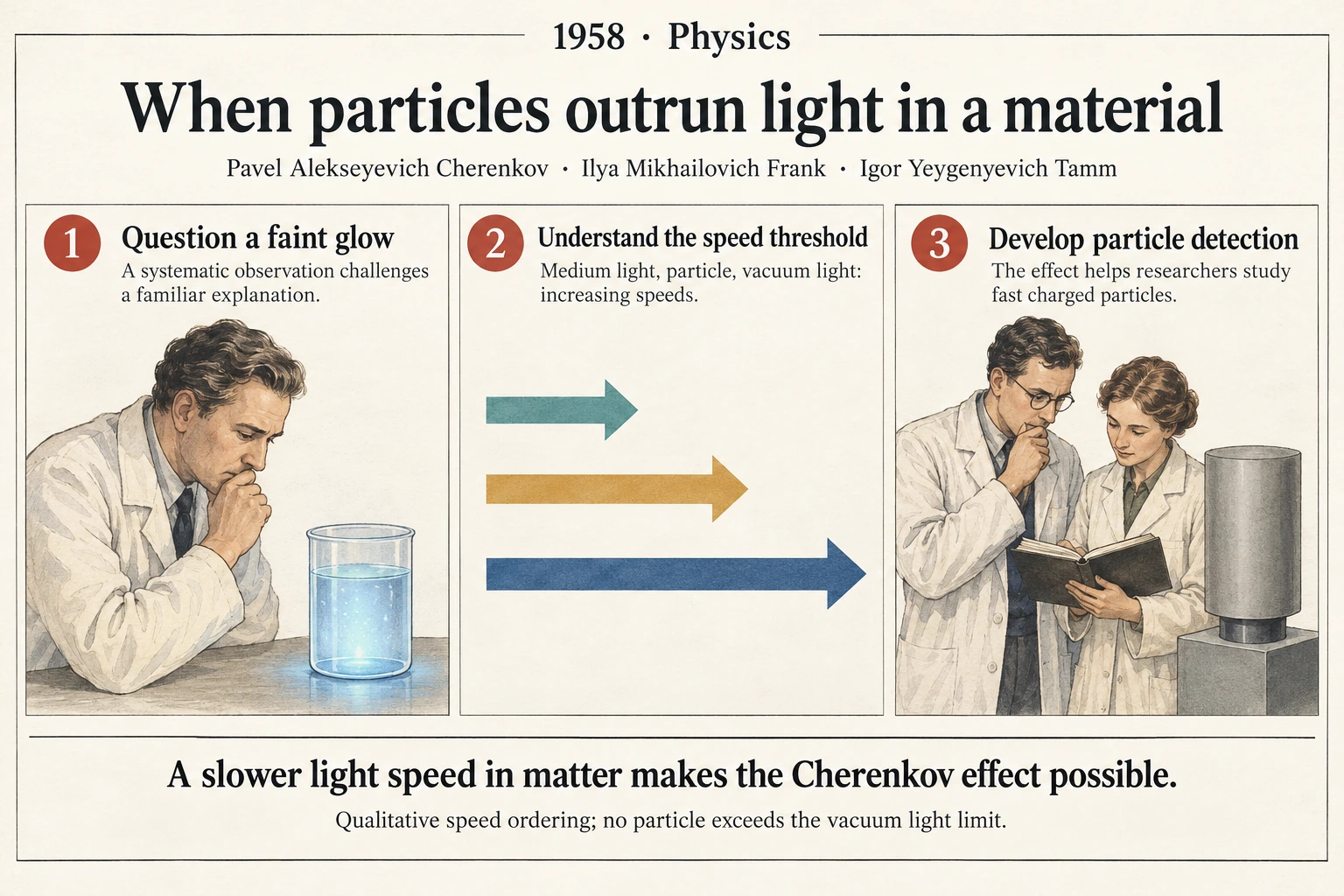
Infographic explaining When particles outrun light in a material
Original AI-generated infographic. A conceptual overview; the explanations and sources below provide context.
Read the poster text

A slower light speed in matter makes the Cherenkov effect possible.

  1. Question a faint glow

    A systematic observation challenges a familiar explanation.

  2. Understand the speed threshold

    Medium light, particle, vacuum light: increasing speeds.

  3. Develop particle detection

    The effect helps researchers study fast charged particles.

Qualitative speed ordering; no particle exceeds the vacuum light limit.

01 · The discovery

The idea, in everyday language

A faint blue glow appeared when radiation passed through liquids. It seemed natural to call it fluorescence, but Cherenkov’s experiments under Vavilov found properties that did not fit that explanation. A systematic account of the light was needed.

Cherenkov established the experimental properties in work published from 1934 onward. In 1937 Frank and Tamm showed how a charged particle travelling faster than light propagates in a material could produce the radiation. Light travels more slowly in such a medium than in a vacuum, so the particle can cross the material’s threshold while remaining below the vacuum light limit.

Why it matters

The discovery and interpretation gave particle researchers a new way to detect sufficiently fast charged particles and investigate their properties. Cherenkov detectors contributed to later experiments, including the 1955 antiproton discovery. Each recipient received one third of the 1958 prize, recognising the experimental and theoretical contributions within a wider research effort.
02 · The people

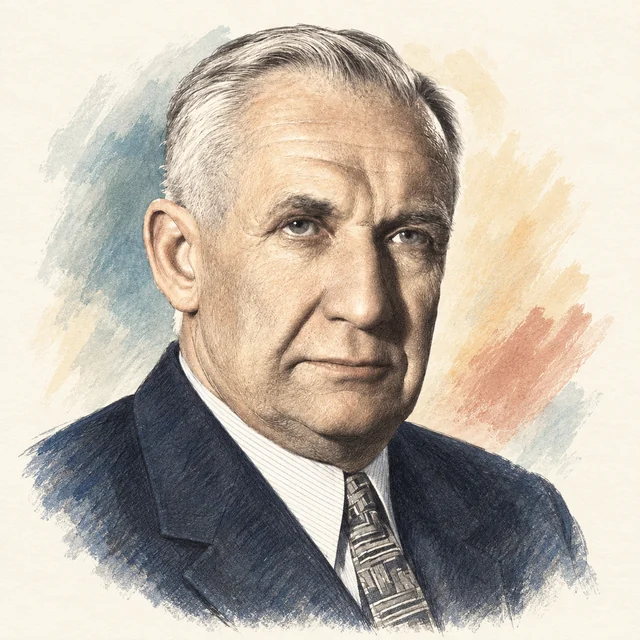
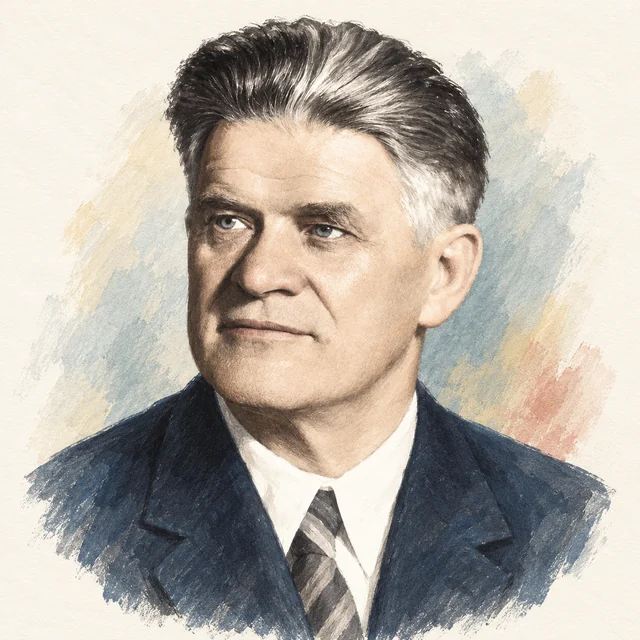
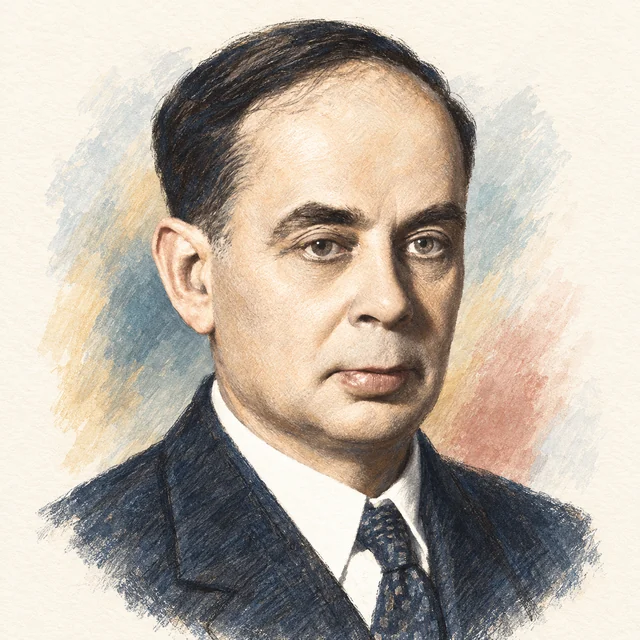
Who brought the idea to life?

03 · Years in the making

The path here

  1. 1918

    Tamm graduates in physics at Moscow.

  2. 1928

    Cherenkov graduates at Voronezh.

  3. 1930

    Frank graduates at Moscow; Cherenkov begins research there.

  4. 1934

    Cherenkov reports the radiation; Frank joins Lebedev and Tamm heads its theoretical division.

  5. 1937

    Frank and Tamm publish the theoretical explanation.

  6. 1940

    Cherenkov completes his doctorate.

  7. 1955

    Cherenkov detection helps the antiproton experiment.

  8. 1957

    Frank becomes director of the Joint Institute’s Neutron Laboratory.

  9. 1958

    The three recipients share the Physics Prize equally.

04 · Read further

From the original sources

Original explanations by Curionode, based on the official records below. Biographical details and affiliations refer to the award year.

  1. Official award summary nobelprize.org
  2. Award ceremony speech nobelprize.org
  3. CERN Cherenkov effect reference geant4.web.cern.ch
  4. Official biography: Pavel Alekseyevich Cherenkov nobelprize.org
  5. Official biography: Ilya Mikhailovich Frank nobelprize.org
  6. Official biography: Igor Yevgenyevich Tamm nobelprize.org