c.curionodeThe Nobel Archive

1959 · Physics

Recognising the antiproton

Independent measurements turned a negatively charged candidate into convincing evidence for the proton’s antiparticle.

AntiprotonParticle identificationAntimatter
1959Physics

Visual guide

The prize, pictured

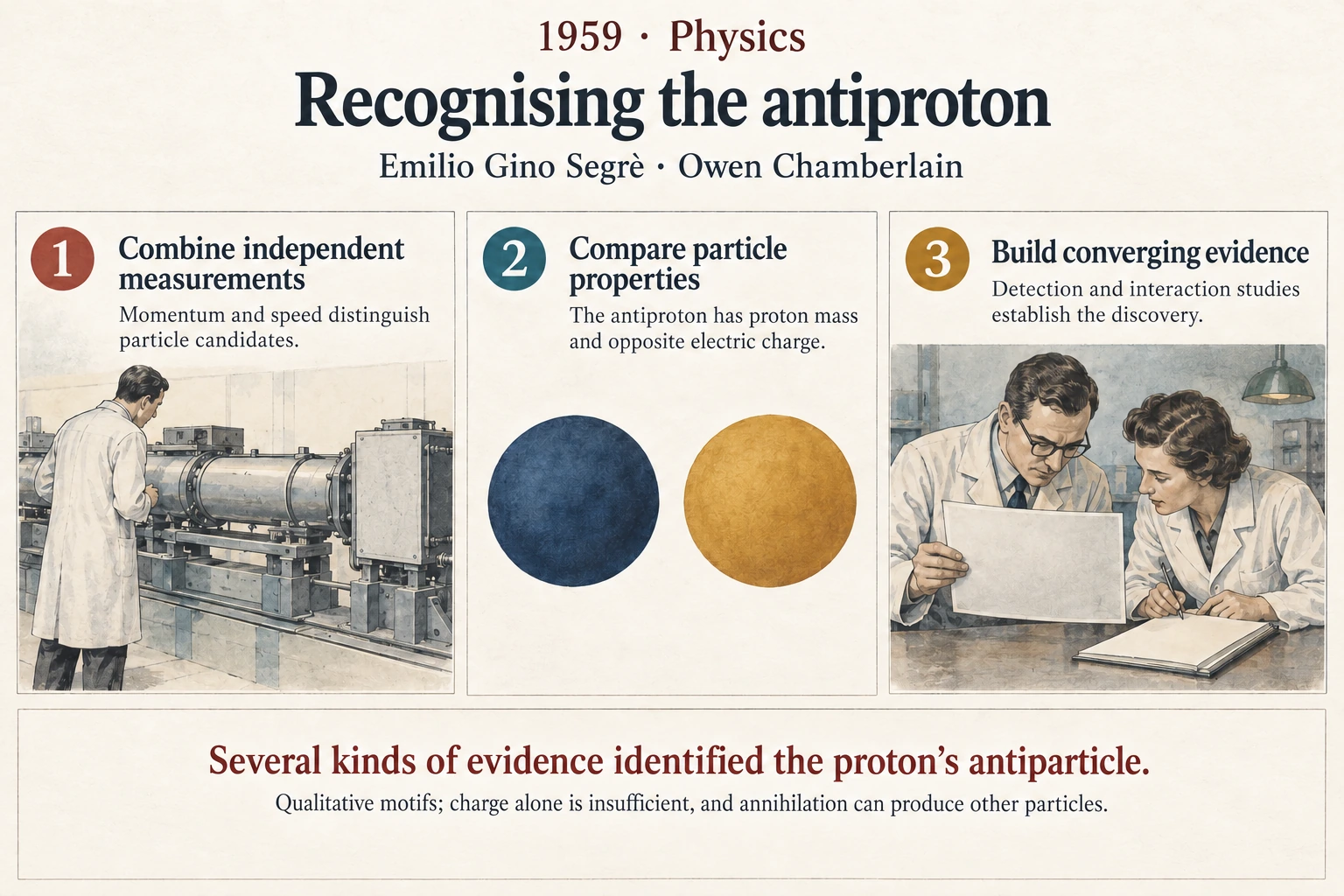
Infographic explaining Recognising the antiproton
Original AI-generated infographic. A conceptual overview; the explanations and sources below provide context.
Read the poster text

Several kinds of evidence identified the proton’s antiparticle.

  1. Combine independent measurements

    Momentum and speed distinguish particle candidates.

  2. Compare particle properties

    The antiproton has proton mass and opposite electric charge.

  3. Build converging evidence

    Detection and interaction studies establish the discovery.

Qualitative motifs; charge alone is insufficient, and annihilation can produce other particles.

01 · The discovery

The idea, in everyday language

The positron had confirmed that antiparticles could exist, but an antiproton required a much more energetic experiment. Producing a candidate was only part of the problem: many other negatively charged particles could imitate one aspect of its behaviour.

At Berkeley in 1955, Chamberlain, Segrè, Wiegand and Ypsilantis combined momentum selection with speed measurements. Scintillation and Cherenkov detectors helped distinguish heavy antiprotons from lighter negative pions. Related photographic-emulsion studies supplied evidence of annihilation. The antiproton matched proton mass while carrying opposite electric charge.

Why it matters

The discovery extended experimental knowledge of antimatter to the proton and opened further studies of antinucleon interactions. Each laureate received half of the prize; the apparatus, detection and confirmation depended on many collaborators and the Radiation Laboratory’s resources.
02 · The people

Who brought the idea to life?

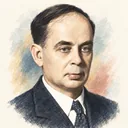
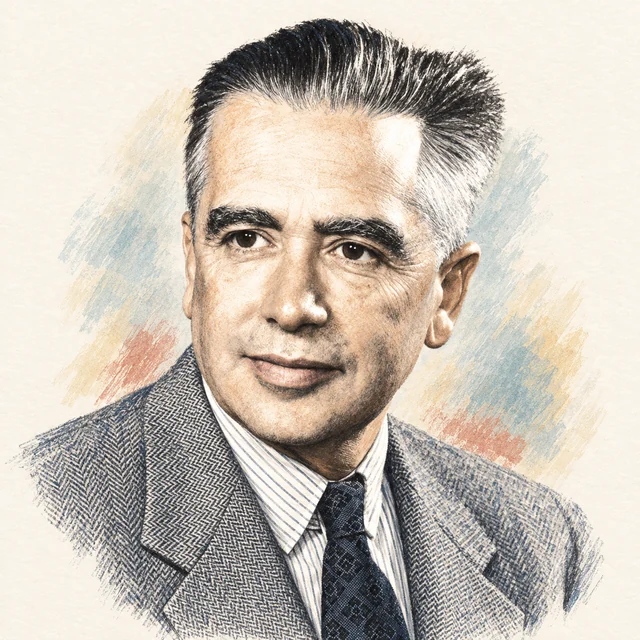
Illustrated portrait of Emilio Gino Segrè

Emilio Gino Segrè

Prize share · 1/2

Segrè and the Berkeley team developed and interpreted the experimental evidence for the antiproton. Segrè received half of the Physics Prize.

Read the biography ↗
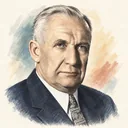
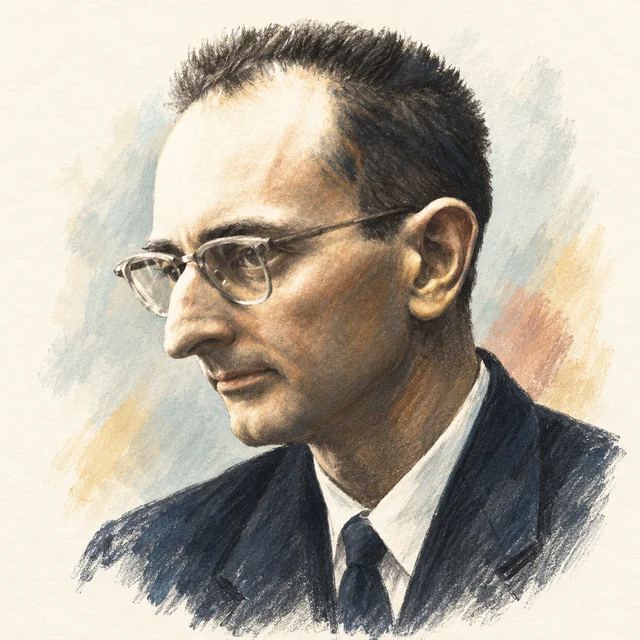
Illustrated portrait of Owen Chamberlain

Owen Chamberlain

Prize share · 1/2

Chamberlain helped design the particle-identification methods and experiments establishing the antiproton, with Segrè and their collaborators. He received half of the Physics Prize.

Read the biography ↗

03 · Years in the making

The path here

  1. 1928

    Dirac’s relativistic theory helps establish the antiparticle question.

  2. 1932

    Anderson reports the positron.

  3. 1938

    Segrè comes to Berkeley.

  4. 1948

    Chamberlain begins teaching there.

  5. 1954

    The Bevatron begins operation.

  6. 1955

    The four-author team reports observation of antiprotons.

  7. 1958

    Chamberlain becomes Berkeley professor.

  8. 1959

    Segrè and Chamberlain share the Physics Prize.

04 · Read further

From the original sources

Original explanations by Curionode, based on the official records below. Biographical details and affiliations refer to the award year.

  1. Official award summary nobelprize.org
  2. Award ceremony speech nobelprize.org
  3. Original antiproton publication metadata journals.aps.org
  4. Berkeley Lab antiproton history newscenter.lbl.gov
  5. Official biography: Emilio Gino Segrè nobelprize.org
  6. Official biography: Owen Chamberlain nobelprize.org