A life in context
The person behind the prize
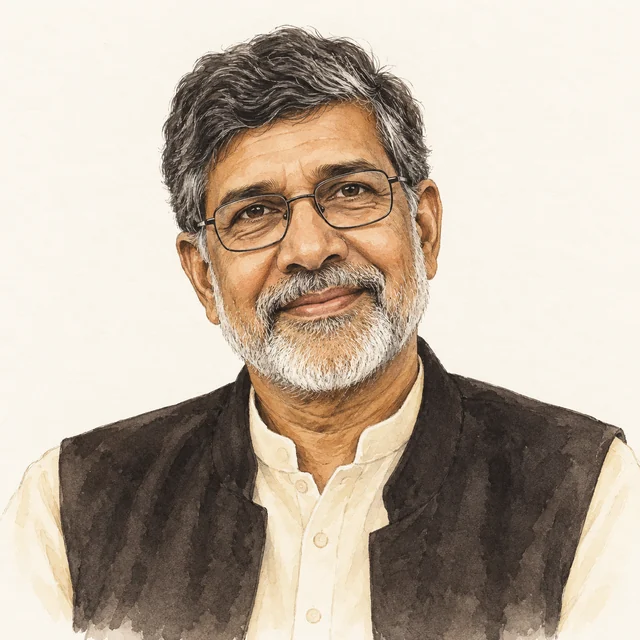
Satyarthi trained as an electrical engineer before leaving that career to work for children’s rights. He founded Bachpan Bachao Andolan, the Save the Childhood Movement, and helped develop efforts to challenge child exploitation in supply chains. His work combined direct action, support for children and campaigns for wider institutional change. In 1998, he led the Global March Against Child Labour, linking local struggles with an international movement.
The contribution
He used nonviolent campaigning to oppose forced and exploitative child labour and to support children’s access to education. The Nobel Committee recognised both his practical work and his role in mobilising public attention and international standards. Rescue is one step; lasting change also requires protection, schooling and viable alternatives for families.
The idea in plain language
A child may be kept from school by dangerous labour, coercion, poverty, discrimination or violence. Satyarthi and Malala approached this denial of childhood from different experiences. In India, Satyarthi organised nonviolent action against exploitative child labour and helped build movements connecting rescue, protection, education and changes in business practice. His work also linked local campaigns with international efforts to strengthen children’s rights.
Read the full award story ↗