c.curionodeThe Nobel Archive

2014 · Peace

A childhood with the right to learn

The prize joined work against child exploitation with the struggle for girls’ education.

children’s rightseducationnonviolent advocacy
2014Peace

Visual guide

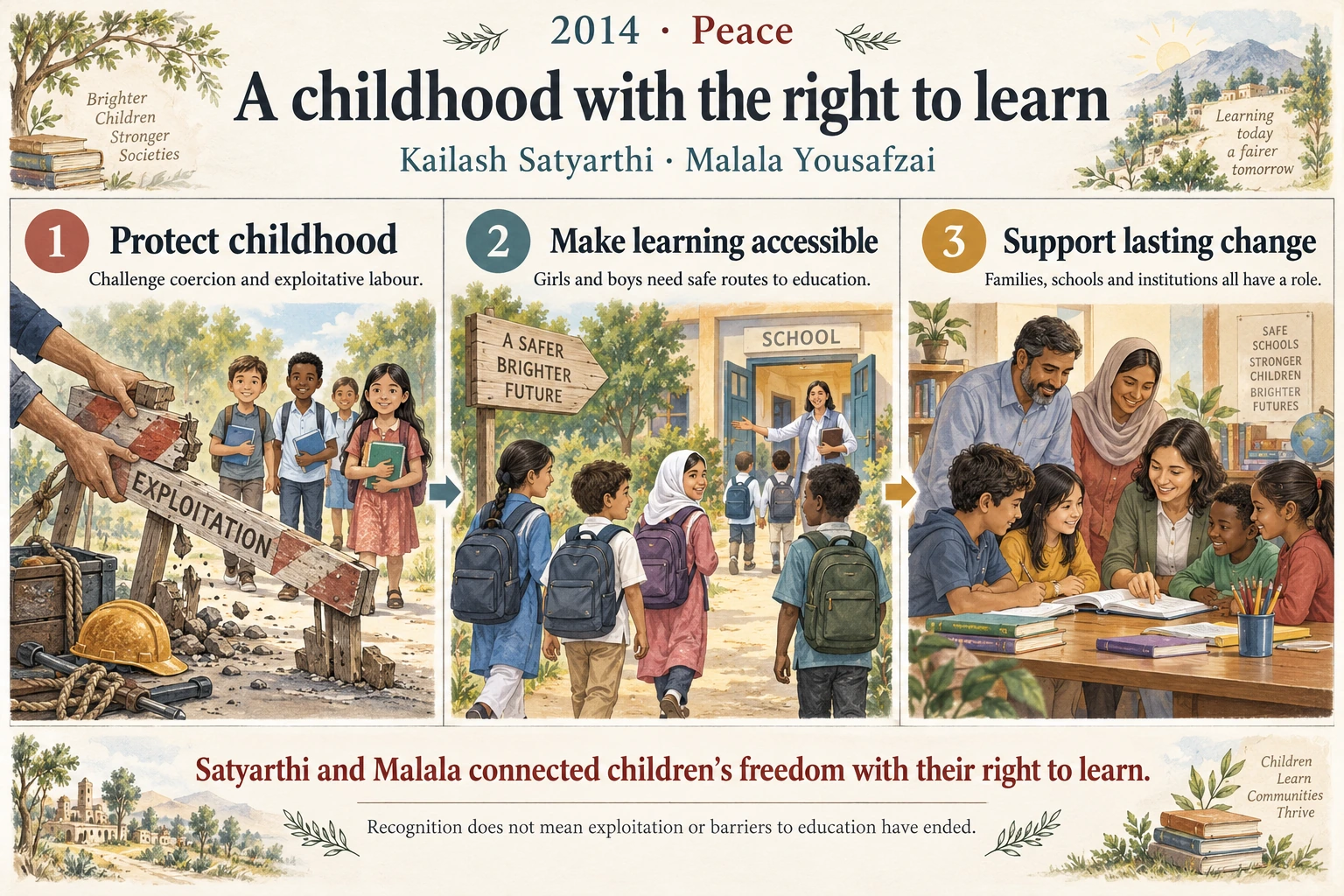
The prize, pictured

Infographic explaining A childhood with the right to learn
Original AI-generated infographic. A conceptual overview; the explanations and sources below provide context.
Read the poster text

Satyarthi and Malala connected children’s freedom with their right to learn.

  1. Protect childhood

    Challenge coercion and exploitative labour.

  2. Make learning accessible

    Girls and boys need safe routes to education.

  3. Support lasting change

    Families, schools and institutions all have a role.

Recognition does not mean exploitation or barriers to education have ended.

01 · The contribution

The idea, in everyday language

A child may be kept from school by dangerous labour, coercion, poverty, discrimination or violence. Satyarthi and Malala approached this denial of childhood from different experiences. In India, Satyarthi organised nonviolent action against exploitative child labour and helped build movements connecting rescue, protection, education and changes in business practice. His work also linked local campaigns with international efforts to strengthen children’s rights.

In Pakistan’s Swat Valley, Malala described the restrictions and dangers facing girls who wanted to attend school. After surviving an assassination attempt in 2012, she continued to speak publicly for education. She addressed the United Nations in 2013 and became an internationally recognised advocate. The 2014 award brought these two strands together: children should be protected from exploitation and have meaningful access to learning, regardless of gender or background.

Why it matters

The prize drew attention to children as holders of rights and as people whose voices matter. It recognised civil-society action across national and religious differences. The laureates’ contributions also depended on teachers, families, campaigners and organisations whose work extends beyond any single public figure.
02 · The people

Who brought the idea to life?

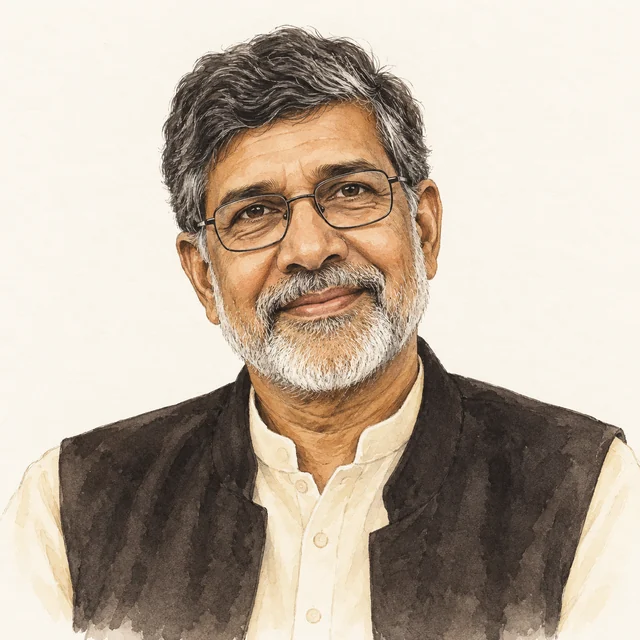
Illustrated portrait of Kailash Satyarthi

Kailash Satyarthi

Prize share · 1/2

He used nonviolent campaigning to oppose forced and exploitative child labour and to support children’s access to education. The Nobel Committee recognised both his practical work and his role in mobilising public attention and international standards. Rescue is one step; lasting change also requires protection, schooling and viable alternatives for families.

Read the biography ↗
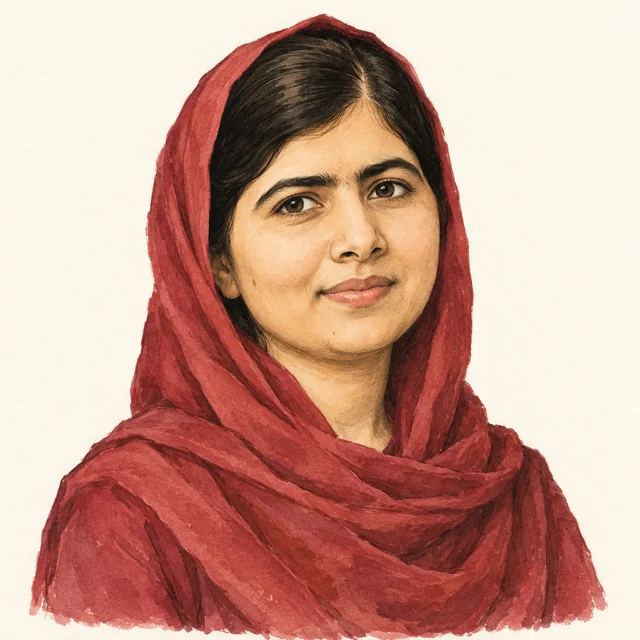
Illustrated portrait of Malala Yousafzai

Malala Yousafzai

Prize share · 1/2

She made the exclusion of girls from education visible through personal testimony and sustained public advocacy. Her contribution connected one student’s experience with the rights of children more broadly. The award recognised her struggle for access to education, alongside the efforts of many teachers, families and organisations working towards that right.

Read the biography ↗

03 · Years in the making

The path here

  1. 1998

    Satyarthi leads the Global March Against Child Labour.

  2. 2013

    Malala addresses the United Nations on her sixteenth birthday.

  3. 2014

    Satyarthi and Malala share the Peace Prize equally.

04 · Read further

From the original sources

Original explanations by Curionode, based on the official records below. Biographical details and affiliations refer to the award year.

  1. Official award announcement nobelprize.org
  2. Kailash Satyarthi — official record nobelprize.org
  3. Malala Yousafzai — official record nobelprize.org