A life in context
The person behind the prize
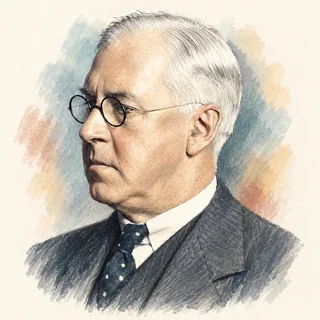
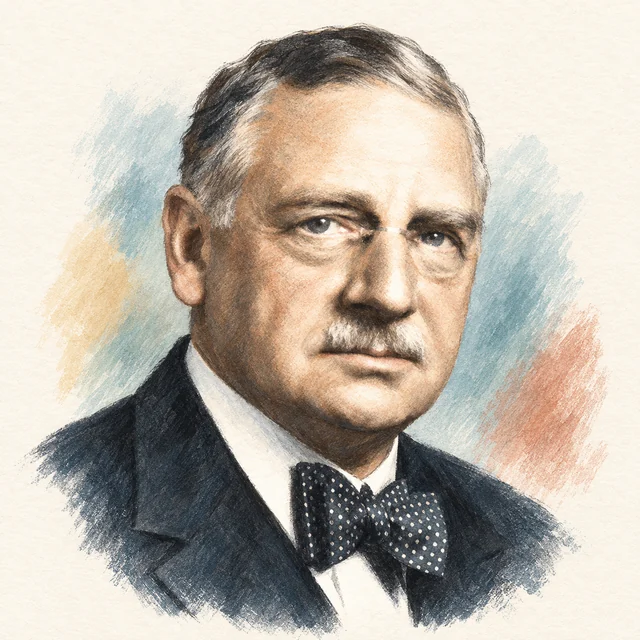
Loewi qualified in medicine at Strasbourg in 1896 and worked in pharmacology at Marburg and Vienna before becoming professor at Graz in 1909. During a visit to London in 1902 he met Henry Dale, beginning a long scientific friendship. His investigations asked whether a nerve ending acted on an organ directly or released a substance that carried the message. In 1921 he showed that fluid from a stimulated heart could transfer an effect to another heart, evidence for chemical transmission. The identity of the slowing substance was established through further work, including collaboration with Ernst Navratil; it was acetylcholine. Loewi shared the 1936 Medicine Prize with Dale while at Graz. After the Nazi annexation of Austria in 1938, he was arrested and forced to surrender his Nobel Prize money before leaving. He worked in Brussels and Oxford and joined New York University in 1940. The forced displacement occurred after the award.
The contribution
Loewi received half the Medicine Prize for discoveries concerning chemical transmission of nerve impulses. His transferable-effect experiment established evidence for a released chemical messenger, whose identity required subsequent investigation.
The idea in plain language
Electrical activity travels along nerves, but that does not explain how every junction passes a message to its next target. Dale’s experiments with acetylcholine showed effects resembling stimulation of some autonomic nerves. This suggested a chemical connection, but resemblance alone did not establish that the substance was normally released at nerve endings.
Read the full award story ↗