A life in context
The person behind the prize
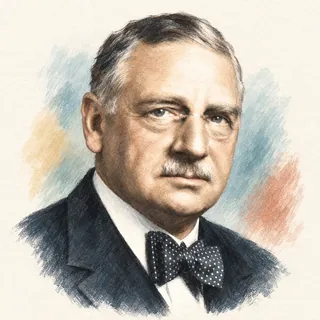
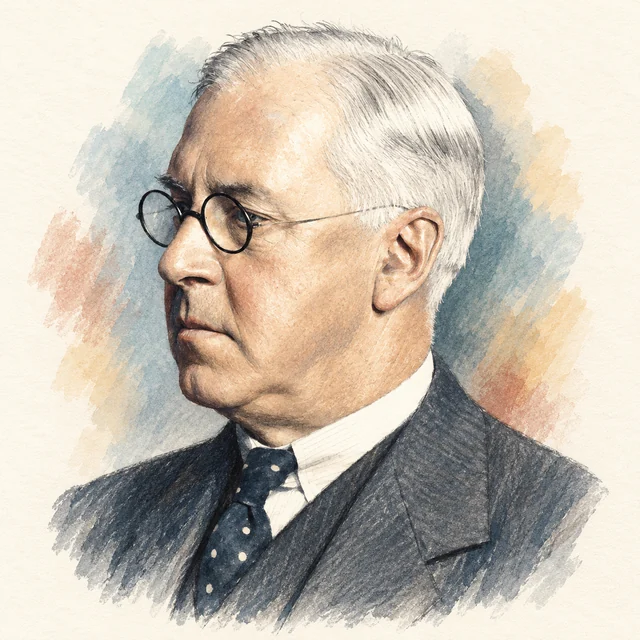
Dale studied natural sciences and medicine at Cambridge and trained at St Bartholomew’s Hospital in London. Work with physiologists including Langley and Starling helped shape his interest in how chemicals alter the activity of organs. From 1904 he worked at the Wellcome research laboratories, studying substances including those associated with ergot. His 1914 investigation of acetylcholine showed effects resembling stimulation of parts of the autonomic nervous system. He moved to the National Institute for Medical Research and became its director in 1928. Loewi’s later demonstration of a transferable chemical signal strengthened a possibility that Dale’s pharmacology had helped develop. Dale and colleagues, including Dudley, Feldberg and Gaddum, connected acetylcholine with transmission at nerve ganglia and motor endings. Knighted in 1932, he shared the 1936 Medicine Prize equally with Loewi. Their work concerned chemical transmission at junctions, not a claim that electrical activity disappears from nerves.
The contribution
Dale received half the Medicine Prize for discoveries concerning chemical transmission of nerve impulses. His acetylcholine research and the work of his collaborators helped identify and extend the chemical mechanism to different nerve junctions.
The idea in plain language
Electrical activity travels along nerves, but that does not explain how every junction passes a message to its next target. Dale’s experiments with acetylcholine showed effects resembling stimulation of some autonomic nerves. This suggested a chemical connection, but resemblance alone did not establish that the substance was normally released at nerve endings.
Read the full award story ↗