A life in context
The person behind the prize
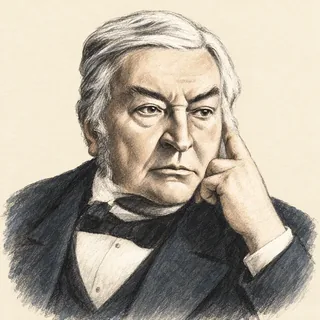
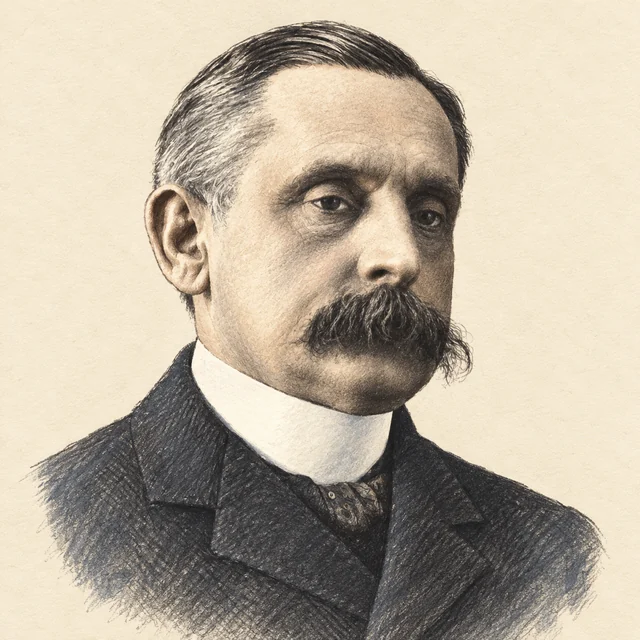
Paul Henri d’Estournelles de Constant studied law and Oriental languages before entering the French diplomatic service in 1876. Posts in several countries, including Tunisia and Britain, taught him how misunderstandings and rival interests could become international crises. He was involved in easing Anglo-French tension during the 1893 Siam crisis. Those activities belonged to an imperial setting; his preference for protectorates and criticism of some colonial policies should not be mistaken for rejection of every form of colonial rule. In 1895 he left diplomacy for the Chamber of Deputies and became a senator in 1904. He served at the Hague Peace Conferences of 1899 and 1907, promoted arbitration, encouraged exchanges between parliamentarians and founded a cross-party parliamentary arbitration group in 1903. An international conciliation association followed in 1905. He urged Theodore Roosevelt to use Hague arbitration and encouraged practical support for international institutions. In 1909 he received half the Peace Prize alongside Auguste Beernaert. His conciliation work did not prevent the First World War, during which he supported the French and Allied cause. He later advocated international understanding and the League of Nations. A writer and frequent speaker, he died in Paris in 1924. No Nobel lecture was delivered for his award; the published 1909 introduction is a translation based on a newspaper report.
The contribution
D’Estournelles de Constant received half the Peace Prize for promoting peace and international arbitration. Diplomacy, parliamentary exchanges and conciliation organisations were complementary routes towards more regular cooperation.
The idea in plain language
Governments could treat a dispute as a contest of force or agree to examine it through procedures. Beernaert brought legal practice and parliamentary experience to the Hague conferences, arms limitation and the laws of warfare. His advocacy for smaller states and international maritime arrangements formed part of that work. Acting as Mexico’s counsel in the first Hague arbitration case was a legal role, distinct from deciding it as an arbitrator.
Read the full award story ↗