c.curionodeThe Nobel Archive

1909 · Peace

Make international disputes a matter for cooperation

Beernaert and d’Estournelles de Constant worked through law, parliamentary contacts and international institutions to strengthen peace and arbitration. Each received half the prize for a distinct public career.

ArbitrationParliamentary diplomacyInternational conciliation
1909Peace

Visual guide

The prize, pictured

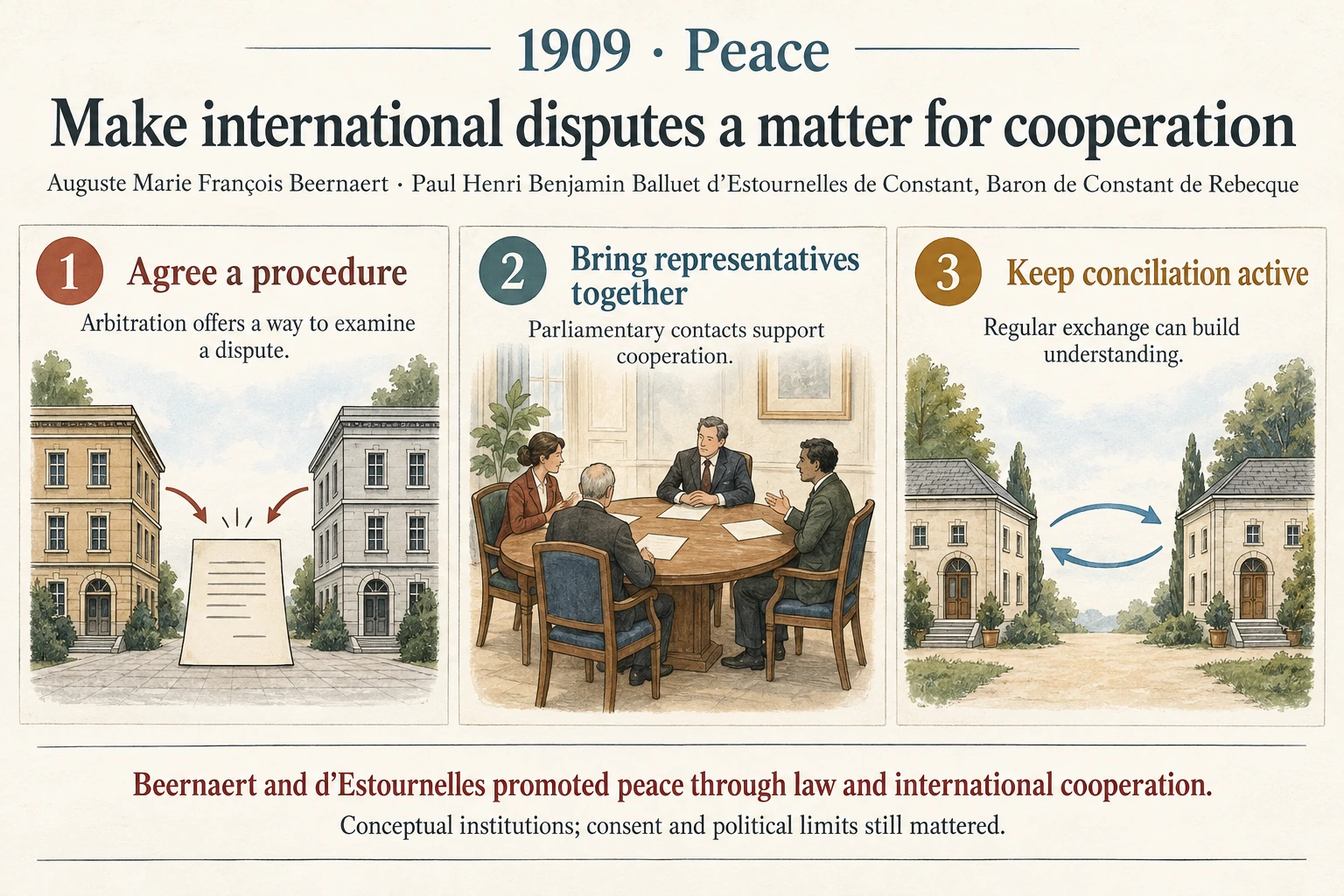
Infographic explaining Make international disputes a matter for cooperation
Original AI-generated infographic. A conceptual overview; the explanations and sources below provide context.
Read the poster text

Beernaert and d’Estournelles promoted peace through law and international cooperation.

  1. Agree a procedure

    Arbitration offers a way to examine a dispute.

  2. Bring representatives together

    Parliamentary contacts support cooperation.

  3. Keep conciliation active

    Regular exchange can build understanding.

Conceptual institutions; consent and political limits still mattered.

01 · The contribution

The idea, in everyday language

Governments could treat a dispute as a contest of force or agree to examine it through procedures. Beernaert brought legal practice and parliamentary experience to the Hague conferences, arms limitation and the laws of warfare. His advocacy for smaller states and international maritime arrangements formed part of that work. Acting as Mexico’s counsel in the first Hague arbitration case was a legal role, distinct from deciding it as an arbitrator.

D’Estournelles de Constant promoted arbitration through diplomacy, cross-party parliamentary organisation, reciprocal visits and international conciliation. His experience of crises convinced him that foreign affairs should not be left to a narrow diplomatic circle. Public understanding and regular contact between representatives could support agreements between governments. The two recipients were not joint authors of one peace treaty, and their work did not establish a compulsory world government.

Why it matters

The award recognised sustained efforts to make legal settlement and parliamentary cooperation practical alternatives within international politics. Institutions require both rules and people willing to use them.
02 · The people

Who brought the idea to life?

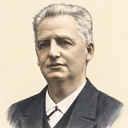
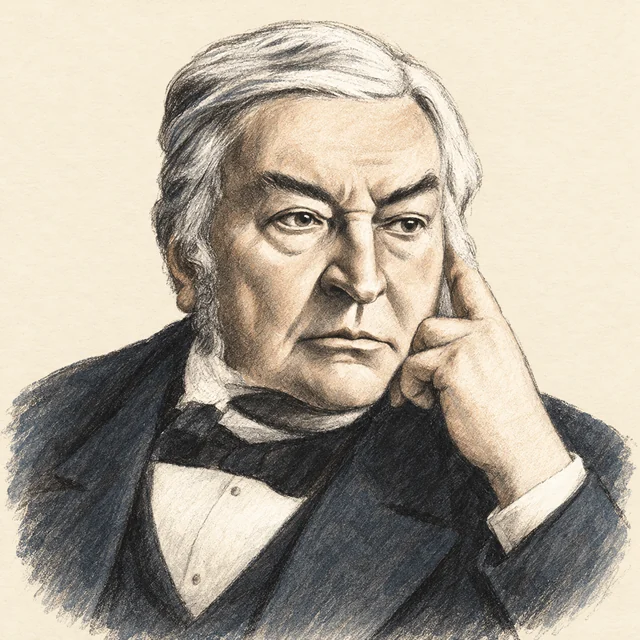
Illustrated portrait of Auguste Marie François Beernaert

Auguste Marie François Beernaert

Prize share · 1/2

Beernaert received half the Peace Prize for international peace and arbitration work. Parliamentary cooperation, Hague conference negotiations and legal advocacy offered ways to address disputes and limit warfare.

Read the biography ↗

03 · Years in the making

The path here

  1. 1895

    D’Estournelles enters the French Chamber; Beernaert begins his Chamber presidency.

  2. 1899

    Both participate in the first Hague Peace Conference.

  3. 1902

    Beernaert represents Mexico in the first PCA case; d’Estournelles encourages Roosevelt to use arbitration.

  4. 1903

    D’Estournelles establishes a parliamentary arbitration group.

  5. 1904

    He becomes a French senator.

  6. 1905

    He founds an international conciliation association.

  7. 1907

    Both participate in the second Hague Peace Conference.

  8. 1909

    They receive equal shares of the Peace Prize.

04 · Read further

From the original sources

Original explanations by Curionode, based on the official records below. Biographical details and affiliations refer to the award year.

  1. Official award summary nobelprize.org
  2. Historical presentation account nobelprize.org
  3. Inter-Parliamentary Union: Beernaert’s peace and arbitration work ipu.org
  4. French Senate: d’Estournelles de Constant’s parliamentary career senat.fr