A life in context
The person behind the prize
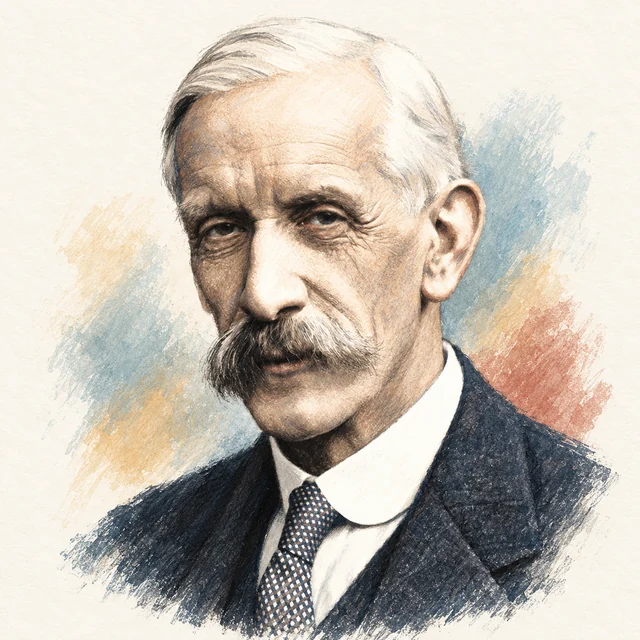
Hopkins came to medicine through chemistry and analytical laboratory work. He graduated in medicine in 1894, taught physiology and toxicology at Guy’s Hospital and moved to Cambridge in 1898 to develop the chemical study of life processes. His research included the amino acid tryptophan, muscle metabolism and later glutathione, but the 1929 prize concerned nutritional factors needed for growth. Young animals could fail to grow on diets containing purified protein, fat, carbohydrate and salts. Small additions of milk or other natural food material could restore growth, indicating requirements beyond the known bulk nutrients. Hopkins discussed accessory food factors in 1906 and published his full feeding-study results in 1912. This did not identify every vitamin or establish one universally complete food. He became Cambridge’s professor of biochemistry in 1914, moved into the new Dunn Institute in 1925 and was knighted that year. After sharing the 1929 Medicine Prize equally with Christiaan Eijkman, he served as president of the Royal Society from 1930 to 1935. He died in 1947.
The contribution
Hopkins received half the Medicine Prize for discovering growth-stimulating vitamins. Controlled nutritional comparisons demonstrated the need for small food components beyond purified bulk nutrients.
The idea in plain language
In Java, Eijkman’s observations connected a chicken disease with diets based on polished rice and found protection associated with rice bran. This challenged a purely infectious explanation. He first considered a toxin-and-antidote model; Gerrit Grijns later clarified the idea of a missing food factor. The relevant substance came to be identified as vitamin B1.
Read the full award story ↗