A life in context
The person behind the prize
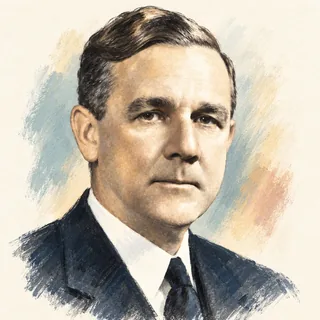
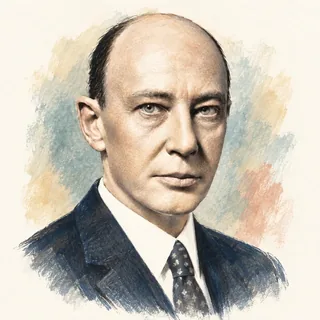
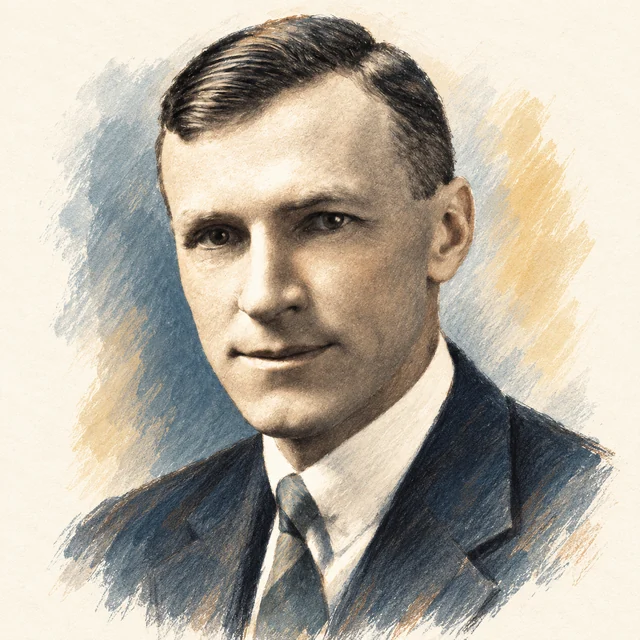
Murphy studied at the University of Oregon, graduating in 1914, and taught physics and mathematics before pursuing medicine. He earned his Harvard medical degree in 1922 and trained at Rhode Island Hospital and Peter Bent Brigham Hospital. An appointment at Harvard followed in 1924. His research concerned diabetes and blood diseases, particularly anaemia. With George Minot he investigated liver therapy for pernicious anaemia, drawing on Whipple’s experimental work. Their 1926 results helped turn a frequently fatal illness into one that could be managed with continued treatment. Murphy also worked with liver extracts as the therapy developed. He received one third of the 1934 Medicine Prize. His later book, Anemia in Practice: Pernicious Anemia, appeared in 1939. He is distinct from George Murphy, the physicist who collaborated in Urey’s deuterium discovery.
The contribution
Murphy received one third of the Medicine Prize for his joint clinical investigation with Minot of liver therapy in pernicious anaemia. This human work was distinct from Whipple’s animal studies of blood-loss anaemia.
The idea in plain language
Whipple’s laboratory compared foods in dogs with anaemia caused by blood loss. Frieda Robscheit-Robbins helped conduct and sustain that experimental programme. Liver supported blood regeneration particularly well. This was a clue, rather than proof of a treatment for every anaemia: pernicious anaemia in humans had a different cause, and it was often fatal.
Read the full award story ↗