c.curionodeThe Nobel Archive

1902 · Physics

Read a magnetic influence in a spectral line

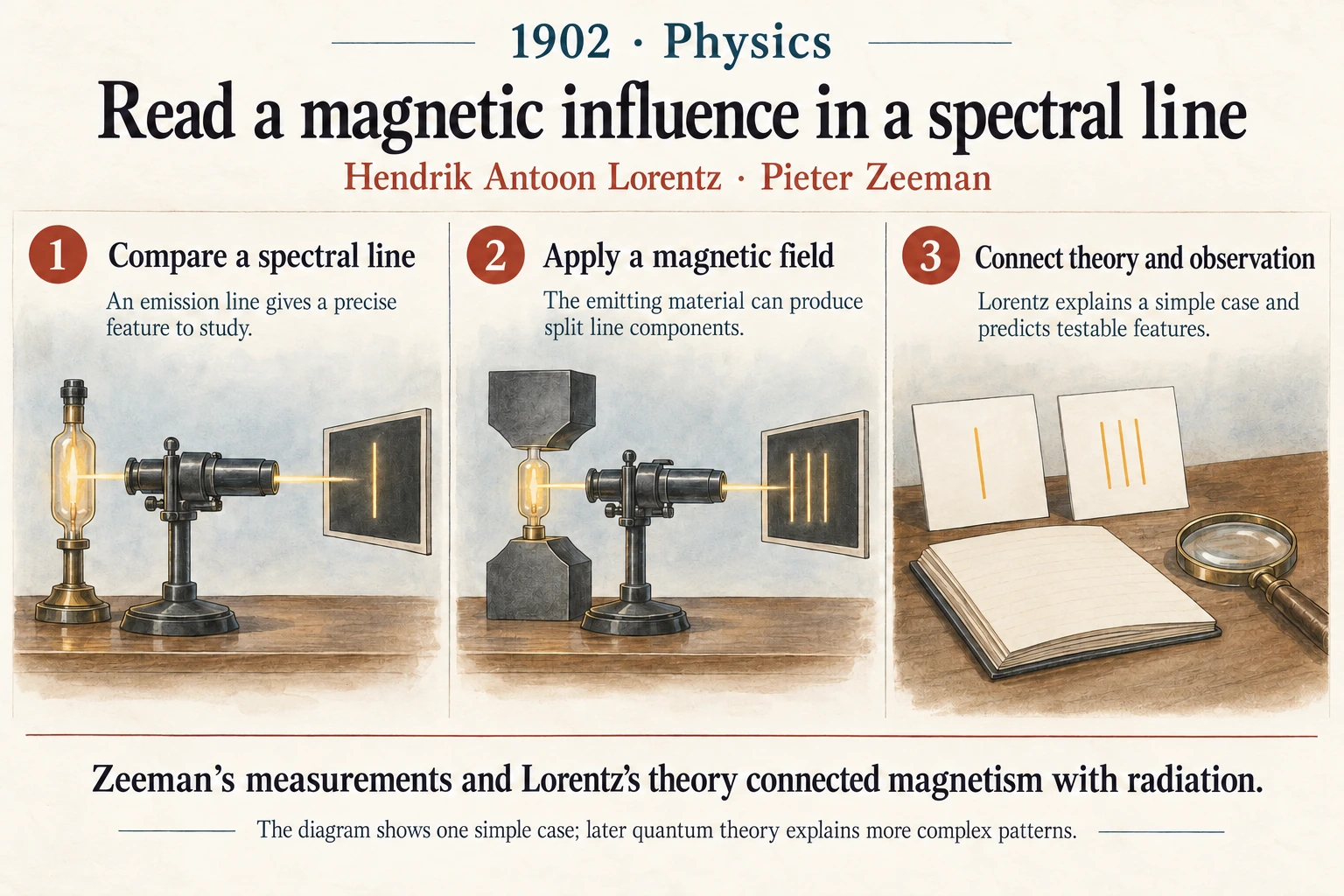
Zeeman found that a magnetic field changes the spectrum emitted by matter. Lorentz’s electron theory explained a simple form of the change and predicted features that experiments could test.

Spectral linesMagnetismTheory and experiment
1902Physics

Visual guide

The prize, pictured

Infographic explaining Read a magnetic influence in a spectral line
Original AI-generated infographic. A conceptual overview; the explanations and sources below provide context.
Read the poster text

Zeeman’s measurements and Lorentz’s theory connected magnetism with radiation.

  1. Compare a spectral line

    An emission line gives a precise feature to study.

  2. Apply a magnetic field

    The emitting material can produce split line components.

  3. Connect theory and observation

    Lorentz explains a simple case and predicts testable features.

The diagram shows one simple case; later quantum theory explains more complex patterns.

01 · The discovery

The idea, in everyday language

A spectrum separates light by wavelength. A narrow emission line provides a precise feature to compare. When the emitting substance is placed in a magnetic field, that line can split into components: the Zeeman effect. The change concerns the source’s emission, not simply a magnet bending a beam travelling through empty space.

Lorentz modelled charged constituents of matter and their response to magnetic forces. His account connected the observed splitting with electron behaviour and predicted polarisation features. The interplay of Zeeman’s measurements and Lorentz’s theory earned them equal halves of the 1902 Physics Prize.

Why it matters

The effect made spectra a probe of how matter responds to magnetic fields. Later work used related evidence to investigate atomic structure and magnetic fields in astronomical objects, connecting laboratory measurement with distant phenomena.
02 · The people

Who brought the idea to life?

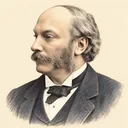
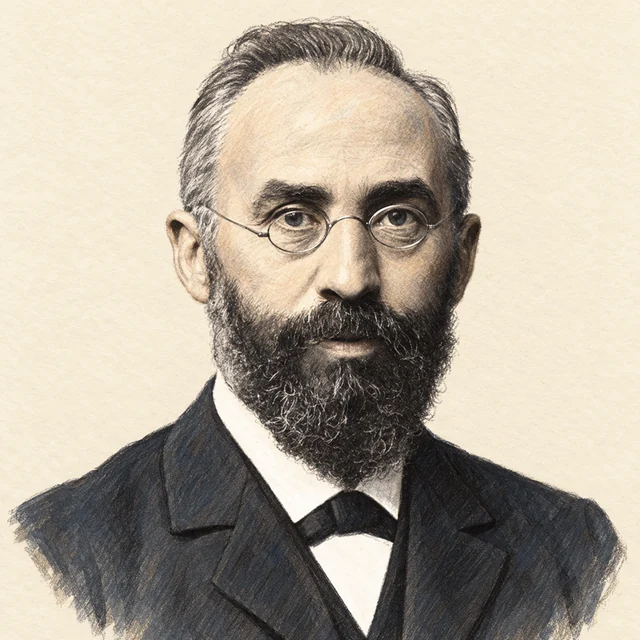
Illustrated portrait of Hendrik Antoon Lorentz

Hendrik Antoon Lorentz

Prize share · 1/2

Lorentz developed an electron theory that explained a simple form of the magnetic splitting observed by Zeeman and predicted testable polarisation features. He received one half of the Physics Prize for research connecting magnetism and radiation.

Read the biography ↗
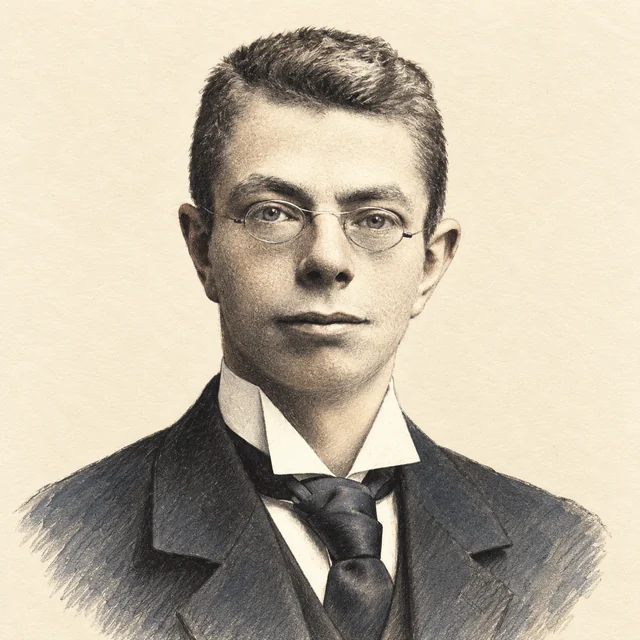
Illustrated portrait of Pieter Zeeman

Pieter Zeeman

Prize share · 1/2

Zeeman observed how a magnetic field changes spectral lines emitted by matter. His half share recognised the experimental discovery, paired with Lorentz’s theoretical contribution; the effect concerns the source’s spectrum, not a magnet simply bending a free beam.

Read the biography ↗

03 · Years in the making

The path here

  1. 1853

    Lorentz is born in Arnhem.

  2. 1865

    Zeeman is born at Zonnemaire.

  3. 1875

    Lorentz completes his doctorate on light.

  4. 1878

    He delivers his inaugural lecture at Leiden.

  5. 1893

    Zeeman completes his doctorate on the Kerr effect.

  6. 1896

    Zeeman discovers magnetic changes in spectral lines.

  7. 1902

    Lorentz and Zeeman each receive half the Physics Prize.

  8. 1928 / 1943

    Lorentz and Zeeman die, respectively.

04 · Read further

From the original sources

Original explanations by Curionode, based on the official records below. Biographical details and affiliations refer to the award year.

  1. Official award summary nobelprize.org
  2. Award ceremony speech nobelprize.org
  3. Leiden history: Lorentz’s studies and inaugural lecture (selected passage) lorentz.leidenuniv.nl