c.curionodeThe Nobel Archive

1904 · Physics

Find a new gas in a small density difference

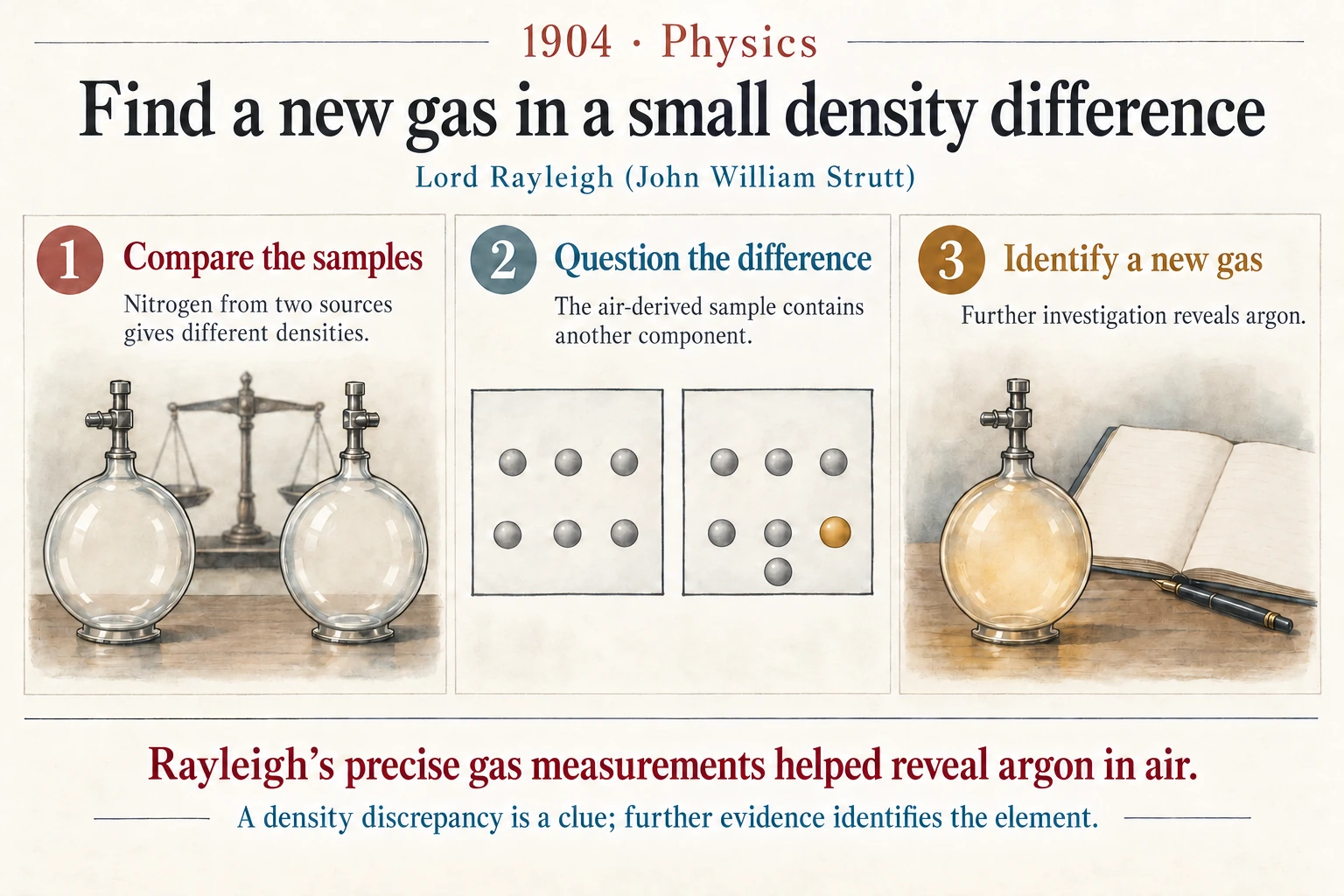
Nitrogen obtained from air was slightly denser than nitrogen prepared from chemical compounds. Rayleigh treated the mismatch as a question worth pursuing; work with Ramsay revealed argon hidden in the atmospheric sample.

Gas densityPrecision measurementArgon
1904Physics

Visual guide

The prize, pictured

Infographic explaining Find a new gas in a small density difference
Original AI-generated infographic. A conceptual overview; the explanations and sources below provide context.
Read the poster text

Rayleigh’s precise gas measurements helped reveal argon in air.

  1. Compare the samples

    Nitrogen from two sources gives different densities.

  2. Question the difference

    The air-derived sample contains another component.

  3. Identify a new gas

    Further investigation reveals argon.

A density discrepancy is a clue; further evidence identifies the element.

01 · The discovery

The idea, in everyday language

Comparing gas densities requires attention to the amount of gas, temperature, pressure and impurities. Rayleigh’s repeated measurements produced a small difference between samples that were expected to be the same substance. Checking the sources and preparation methods made the discrepancy a durable clue rather than an isolated reading.

The sample from air was a mixture: alongside nitrogen it retained a heavier, previously unidentified gas. Rayleigh and Ramsay used complementary physical and chemical investigations to identify argon in 1894 and examine its properties. Rayleigh’s full Physics Prize recognised the gas-density studies and the discovery connected with them; Ramsay’s chemical work received a separate full prize.

Why it matters

The work exposed a previously unknown constituent of air and demonstrated the power of precise comparisons. An awkward measurement could lead to a new element when investigators tested assumptions about what their samples contained.
02 · The people

Who brought the idea to life?

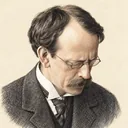
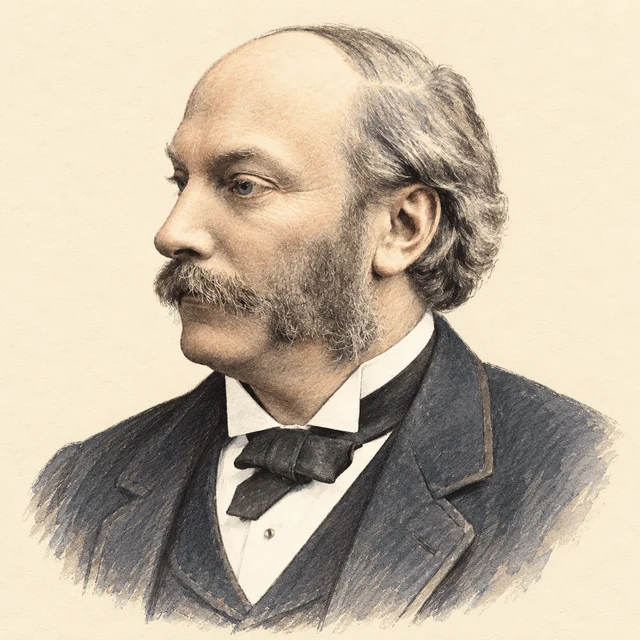
Illustrated portrait of Lord Rayleigh (John William Strutt)

Lord Rayleigh (John William Strutt)

Prize share · 1

Rayleigh received the full Physics Prize for precise investigations of gas densities and the discovery of argon connected with them. His measurements helped reveal that atmospheric nitrogen was not a chemically pure sample.

Read the biography ↗

03 · Years in the making

The path here

  1. 1842

    John William Strutt is born in Essex.

  2. 1865

    He graduates in mathematics at Cambridge.

  3. 1879

    He succeeds Maxwell at the Cavendish Laboratory.

  4. 1894

    Rayleigh and Ramsay identify argon.

  5. 1904

    Rayleigh receives the full Physics Prize for gas densities and argon.

  6. 1905–1908

    He serves as president of the Royal Society.

  7. 1919

    He dies in the United Kingdom.

04 · Read further

From the original sources

Original explanations by Curionode, based on the official records below. Biographical details and affiliations refer to the award year.

  1. Official award summary nobelprize.org
  2. Award ceremony speech nobelprize.org
  3. Royal Institution: Rayleigh’s research and appointments rigb.org
  4. UCL: Ramsay and the missing elements ucl.ac.uk