c.curionodeThe Nobel Archive

1906 · Physics

Find a common particle inside matter

Electricity passing through gases offered a way to investigate the structure of matter. Thomson combined experiment and theory, including cathode-ray measurements that revealed the electron.

ElectronCathode raysGas conduction
1906Physics

Visual guide

The prize, pictured

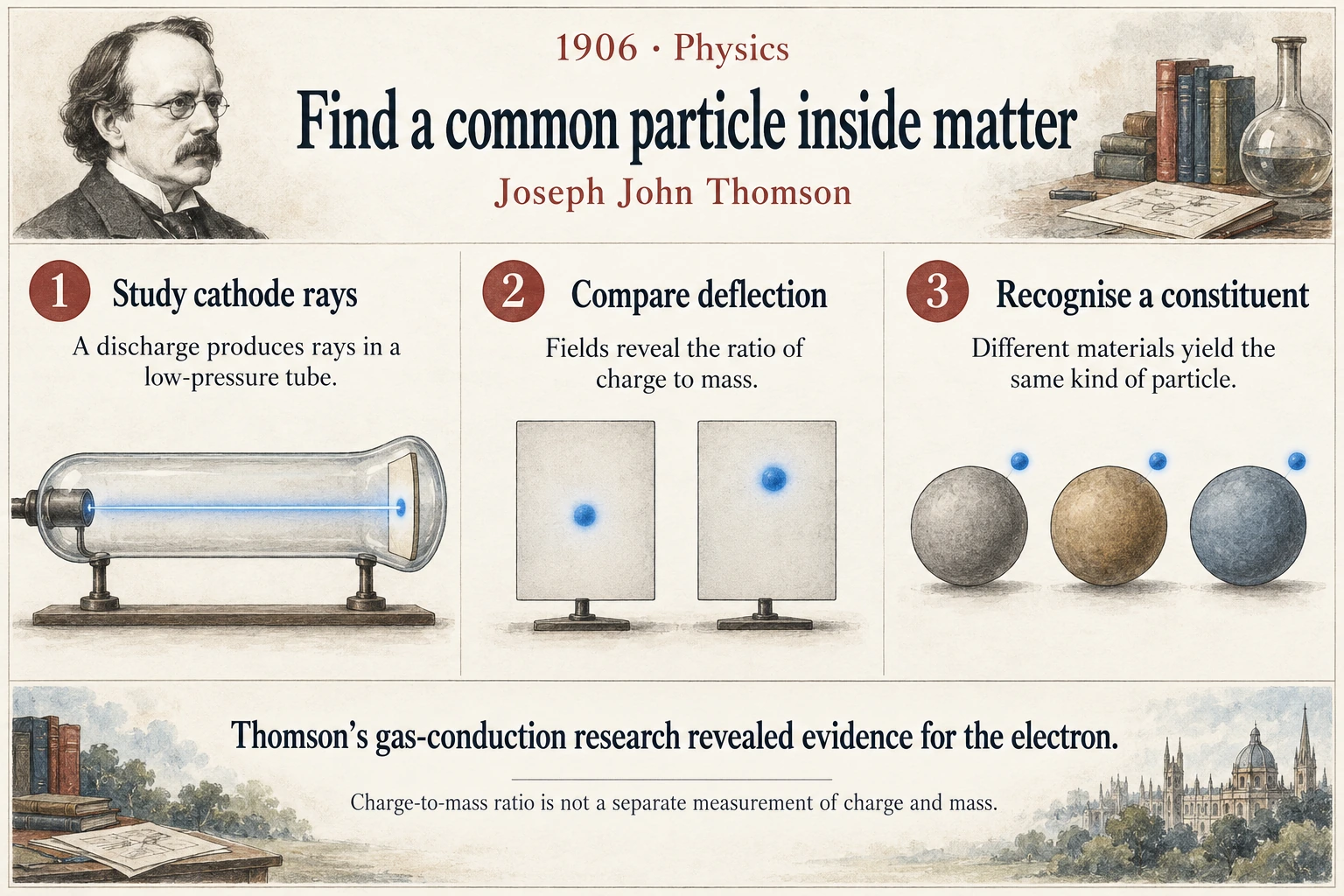
Infographic explaining Find a common particle inside matter
Original AI-generated infographic. A conceptual overview; the explanations and sources below provide context.
Read the poster text

Thomson’s gas-conduction research revealed evidence for the electron.

  1. Study cathode rays

    A discharge produces rays in a low-pressure tube.

  2. Compare deflection

    Fields reveal the ratio of charge to mass.

  3. Recognise a constituent

    Different materials yield the same kind of particle.

Charge-to-mass ratio is not a separate measurement of charge and mass.

01 · The discovery

The idea, in everyday language

In a tube containing gas at reduced pressure, an electrical discharge can produce cathode rays. Thomson studied how these rays behaved in electric and magnetic fields. Their deflection allowed him to infer a ratio of charge to mass far larger than that of familiar charged atoms.

Similar results with different materials supported a common, very light, negatively charged particle. Atoms therefore had internal structure. The full 1906 prize recognised the wider investigation of electrical conduction in gases, rather than only a single announcement of the electron.

Why it matters

The work helped make the electron an experimental object and changed the atom from an indivisible unit into something with constituents. Gas-discharge studies also developed a research programme connecting ionisation, electrical transport and new experimental techniques.
02 · The people

Who brought the idea to life?

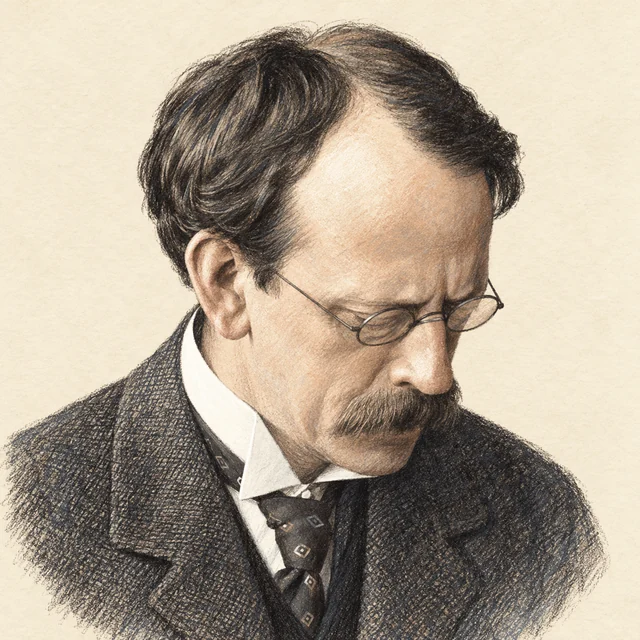
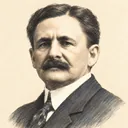
Illustrated portrait of Joseph John Thomson

Joseph John Thomson

Prize share · 1

Thomson received the full Physics Prize for theoretical and experimental investigations of the conduction of electricity by gases. Cathode-ray measurements established evidence for the electron as a common constituent of matter.

Read the biography ↗

03 · Years in the making

The path here

  1. 1870

    Thomson enters Owens College in Manchester.

  2. 1876

    He moves to Trinity College, Cambridge.

  3. 1884

    He becomes Cavendish Professor.

  4. 1897

    Cathode-ray experiments support a common negatively charged particle.

  5. 1903

    Conduction of Electricity through Gases is published.

  6. 1906

    The Physics Prize recognises theory and experiment on gas conduction.

  7. 1918

    Thomson becomes Master of Trinity College.

04 · Read further

From the original sources

Original explanations by Curionode, based on the official records below. Biographical details and affiliations refer to the award year.

  1. Official award summary nobelprize.org
  2. Award ceremony speech nobelprize.org
  3. Science History Institute: Thomson and the electron sciencehistory.org